Caveolin-1 Regulates Parathyroid Hormone (PTH)-Related Protein (PTHrP) Actions on PTH Receptor Type 1 in Bone Cells
Abstract
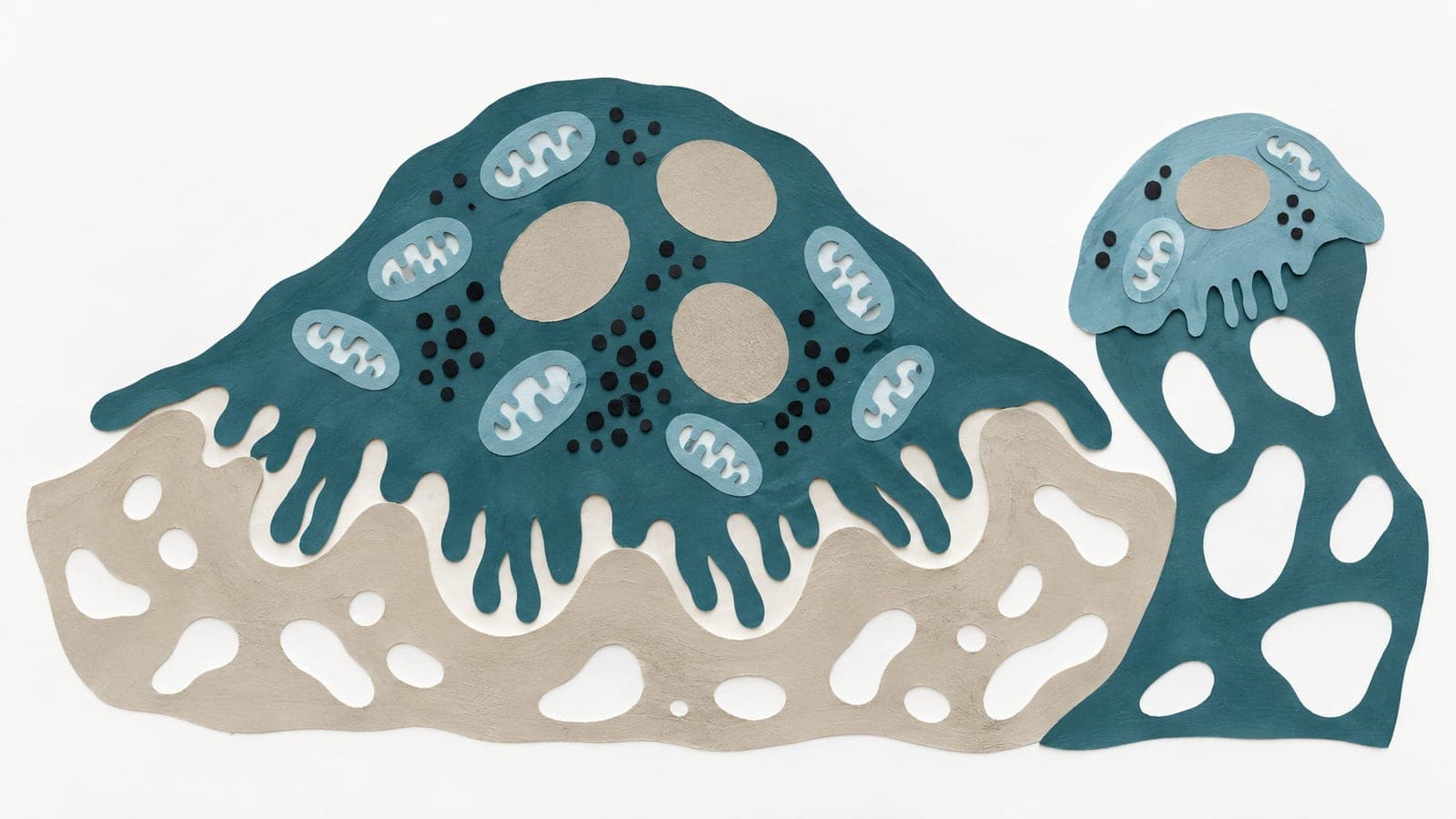
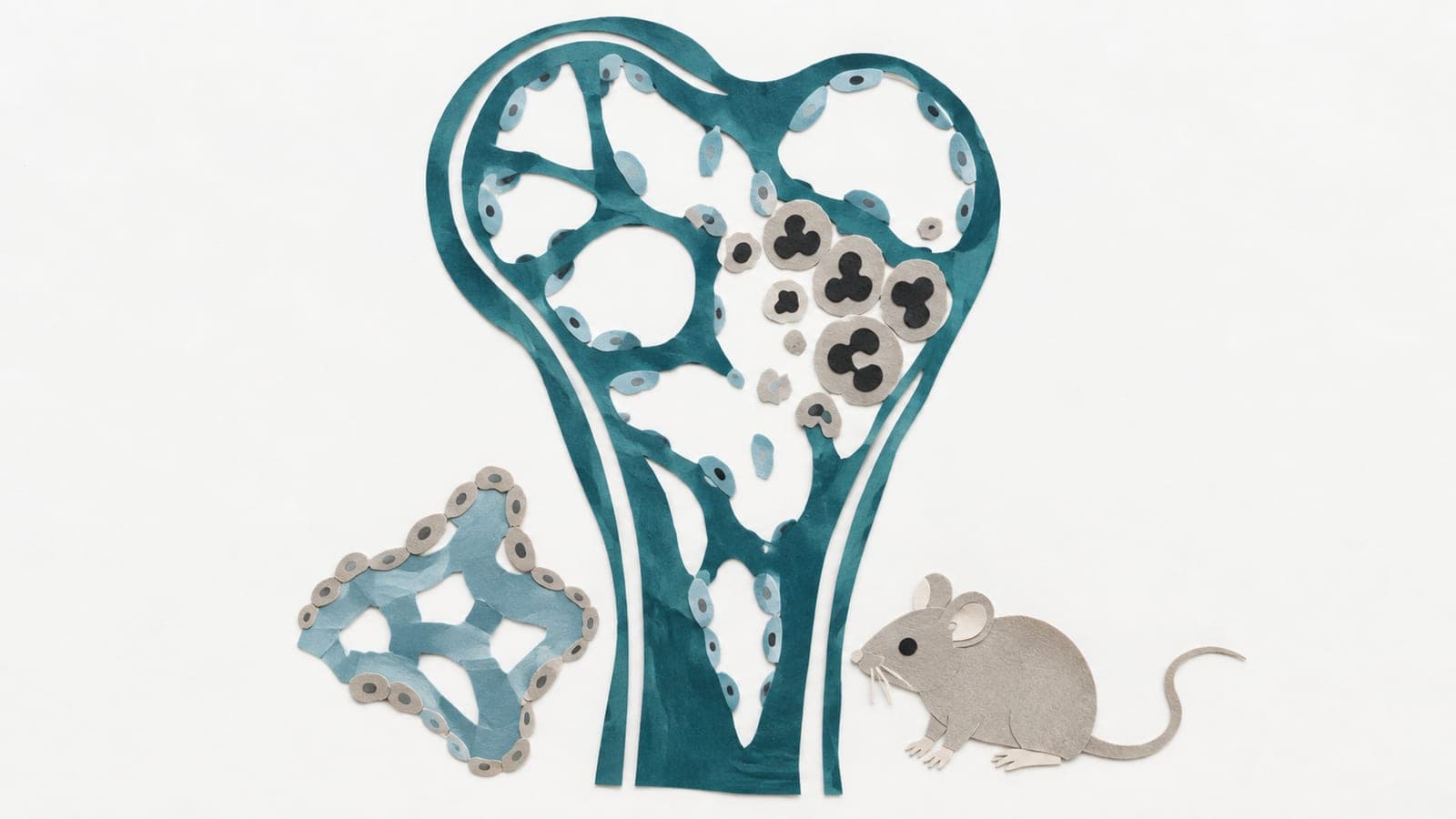
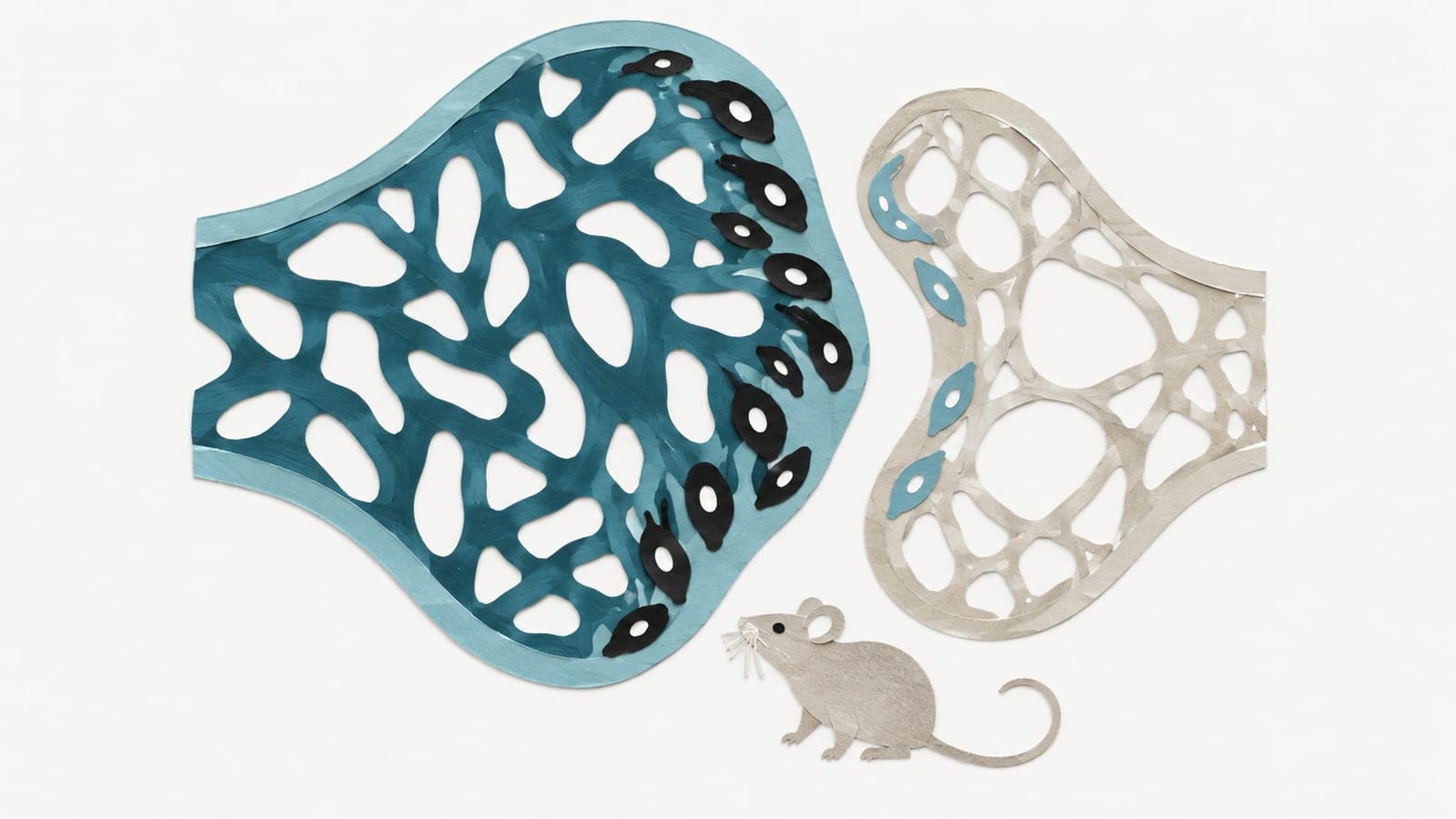
Caveolin-1 (Cav1), a protein present in lipid raft invaginations known as caveolae, regulates the trafficking and signaling of some cell surface receptors. Current evidence suggests that the number of caveolae might increase with aging. The parathyroid hormone (PTH) receptor type 1 (PTH1R) regulates osteoblast and osteocyte actions after activation by PTH and PTH-related protein (PTHrP) peptides. PTH1R activation leads to defined biological effects depending on its association with different membrane or intracellular molecules. Since PTH1R exhibits a potential Cav1 binding domain, we hypothesized that PTH1R responses are regulated by Cav1 in cells of the osteoblastic lineage, conditioning PTHrP actions during aging. We report that Cav1 colocalizes with PTH1R at membrane microdomains in osteoblastic and osteocytic cells. Cav1 overexpression modifies PTHrP-dependent signaling in osteoblastic cells by decreasing intracellular calcium accumulation and increasing cAMP levels leading to upregulation of Runx2, osteocalcin, bone alkaline phosphatase, and OPG in a rapid and transient manner. Conversely, Cav1 silencing causes over-phosphorylation of ERK1/2 kinase and overproduction of calcium, which leads to reduced expression of Runx2, osteocalcin, and alkaline phosphatase. Further, the gene expression of Cav1 increases with age in murine bone in vivo and negatively correlates with that of Runx2, osteocalcin and alkaline phosphatase. Moreover, age-dependent overexpression of Cav-1 and caveolae disruption is associated with alterations in PTHrP-dependent bone gene expression in ex vivo cultured bones. FRAP analysis revealed that Cav1 causes PTH1R temporary retention at Cav1 microdomains upon receptor activation, delaying PTH1R internalization. We conclude that PTH1R signaling and PTHrP actions in bone cells are regulated by Cav1 and that Cav1 overexpression with age conditions PTH1R responses in bone.
The paper
Laboratory for Bone Physiopathology Applied Molecular Medicine Institute (IMMA) Madrid Spain; Universidad San Pablo CEU
Journal of Cellular Physiology, 1 Jul 2025