LncRNA H19 loss impairs osteoblast differentiation in cells
Knocking down the long non-coding RNA H19 inhibited pre-osteoblast differentiation without triggering senescence, while its overexpression promoted calvarial defect repair in mice.
Bone
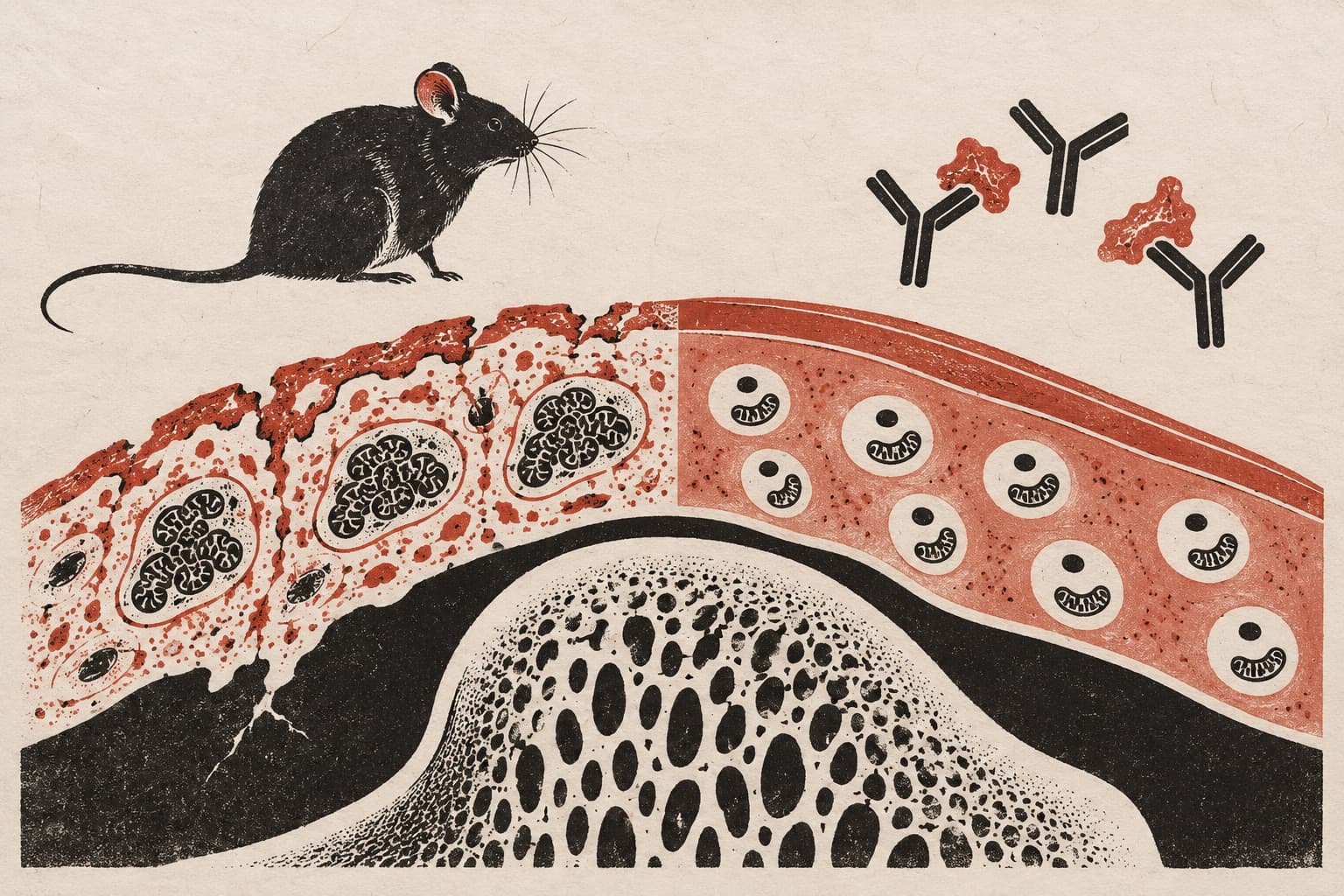
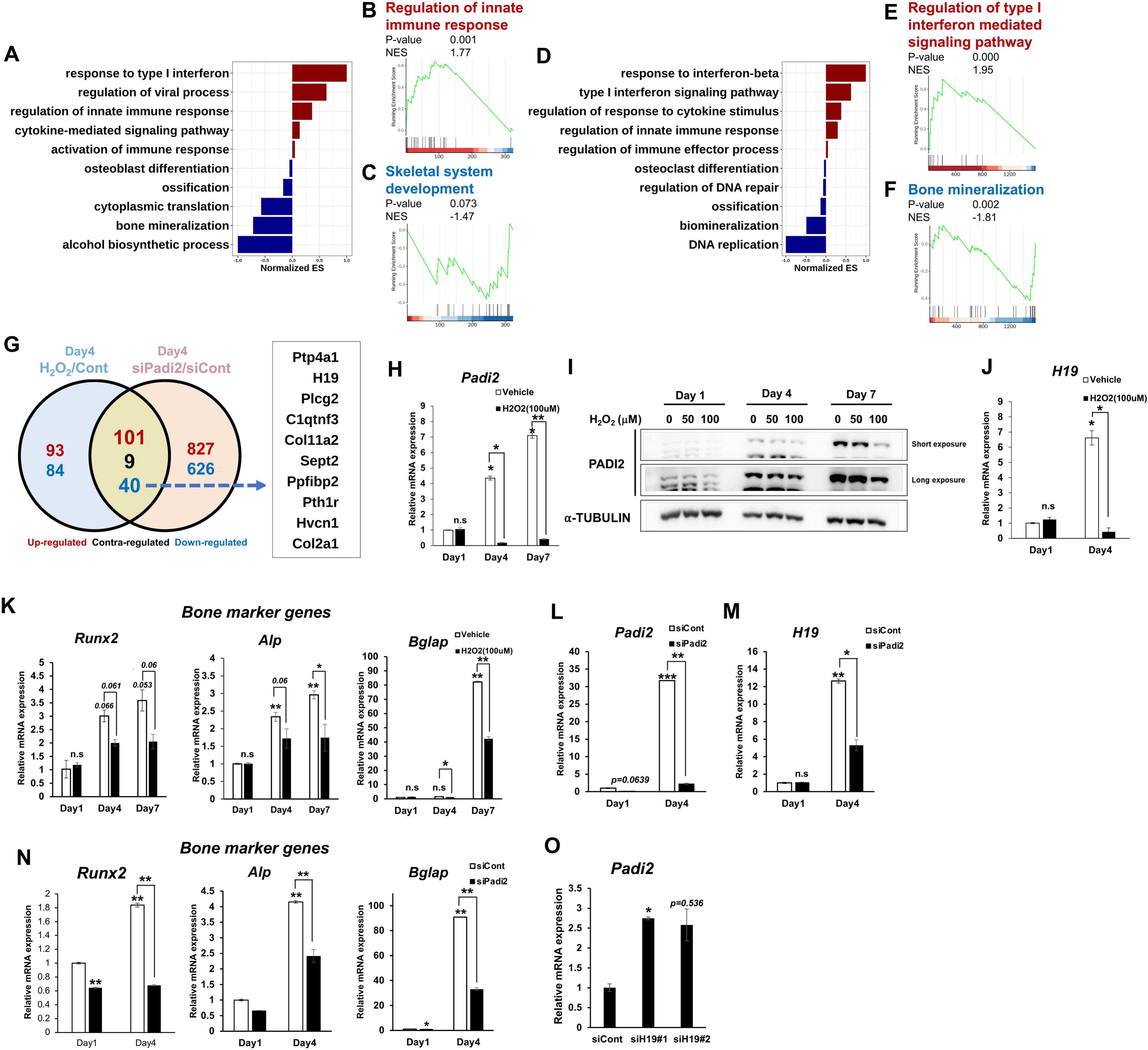
In cultured mouse MC3T3-E1 pre-osteoblasts and mice, researchers examined how oxidative stress affects osteoblast function. Using mRNA sequencing, the authors identified the long non-coding RNA H19 as a factor co-regulated by reactive oxygen species and Padi2 deficiency. Stratified transcriptomic analysis suggested that H19 is a candidate regulator of osteoblast differentiation under oxidative stress and Padi2 deficiency. In MC3T3-E1 cells, H19 knockdown significantly inhibited osteogenic differentiation without inducing the senescence-associated responses seen after hydrogen peroxide treatment or Padi2 knockdown. In vivo, H19 overexpression promoted bone repair in a mouse calvarial defect model, highlighting H19 as a potential therapeutic target to promote osteogenesis.
Why it matters
Age-related bone loss is linked to oxidative stress and impaired osteoblast differentiation. Identifying non-coding RNAs that regulate these pathways may help clarify the mechanisms governing bone aging.
Caveats
The differentiation findings were tested in cultured MC3T3-E1 cells rather than in humans. In addition, in vivo effects were examined solely in a mouse calvarial defect model.
The paper
lncRNA H19 downregulation mediates oxidative stress-induced osteogenic dysfunction
Yonsei University · Seoul National University Dental Hospital
Bone · 2 Oct 2026