Engineered Anti-Senescence Trachea With Post-Transplanted Regenerative Homeostasis
Abstract
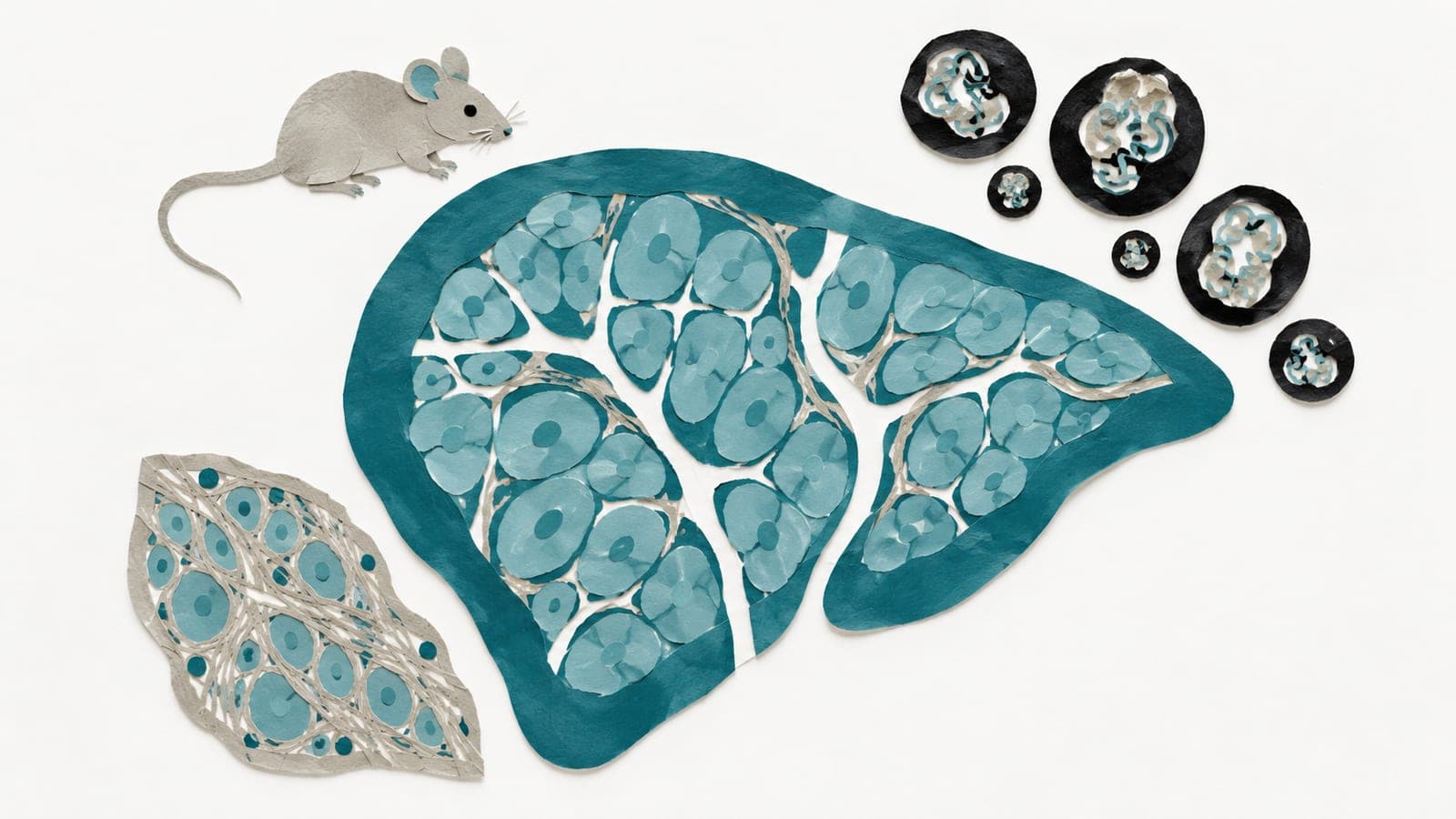
Post-transplanted dysfunction remains the key unsolved challenge to construct bioengineered complex organs. Herein, by analyzing the bioengineered trachea, it is found that multiple tissue senescences occur, and poor endogenous cellular contact and exogenous immune microenvironment dysregulation are identified as two crucial factors during senescence. Therefore, a Hebe engineered trachea (Hebe-ET) with a ring-ring structure and dual anti-senescence designs is proposed for maintaining regenerative homeostasis after transplantation. First, in the cartilage rings, a fiber-film structural scaffold is designed to promote close-packed cellular contact, significantly reducing senescent P21+ chondrocytes. Furthermore, between the cartilage rings are distributed fibrous connective tissue rings, in which the loaded quercetin induces an immune cascade to restrain senescence in multiple cells, including chondrocytes, endothelial cells, and fibroblasts via mitochondrion-targeted oxidative stress scavenging, promoting the development of the full tracheal components in vivo. Based on these designs, 12 weeks after orthotopic transplantation, the Hebe-ET achieves sustainable youth and develops a natural-like structure with mature cartilage phenotype, reconstructed vascular network, and epithelium coverage. The mechanical property exceeds that of the natural trachea, and 87.5% of animals survived. This study first reveals the necessity of anti-senescence design in the fabrication of complex organ substitutes and proposes an effective engineering strategy for segmental trachea reconstruction.
- Fiber-film structural scaffold
- Hebe engineered trachea
- Cellular homeostasis
- Cellular senescence
- CDKN1A
- U. animal
The paper
Tongji University
Advanced Science, 6 Jul 2025, Open access