Nanosecond pulsed electric field applications rejuvenate aging endothelial cells by rescuing mitochondrial-to-nuclear retrograde communication
Abstract
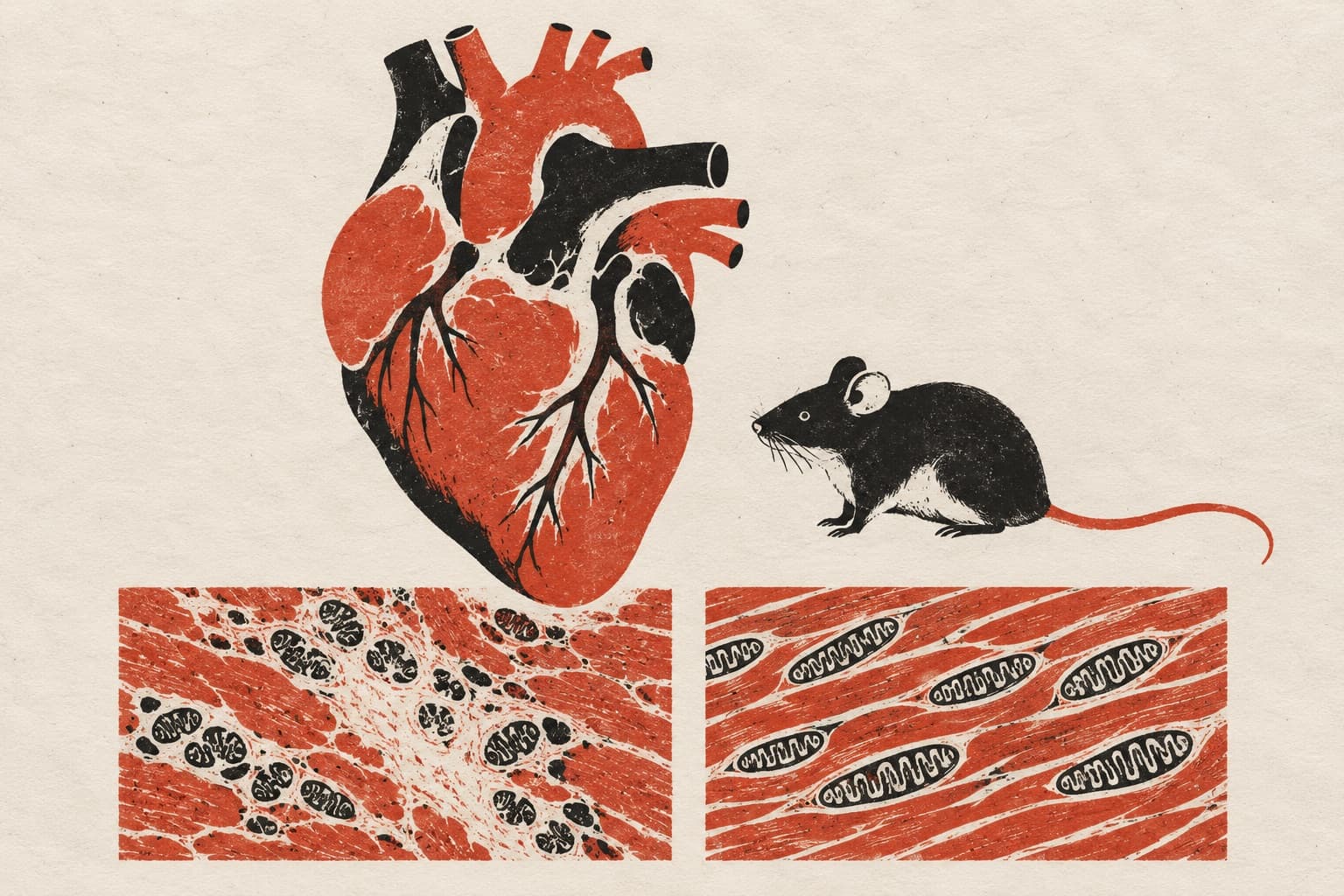
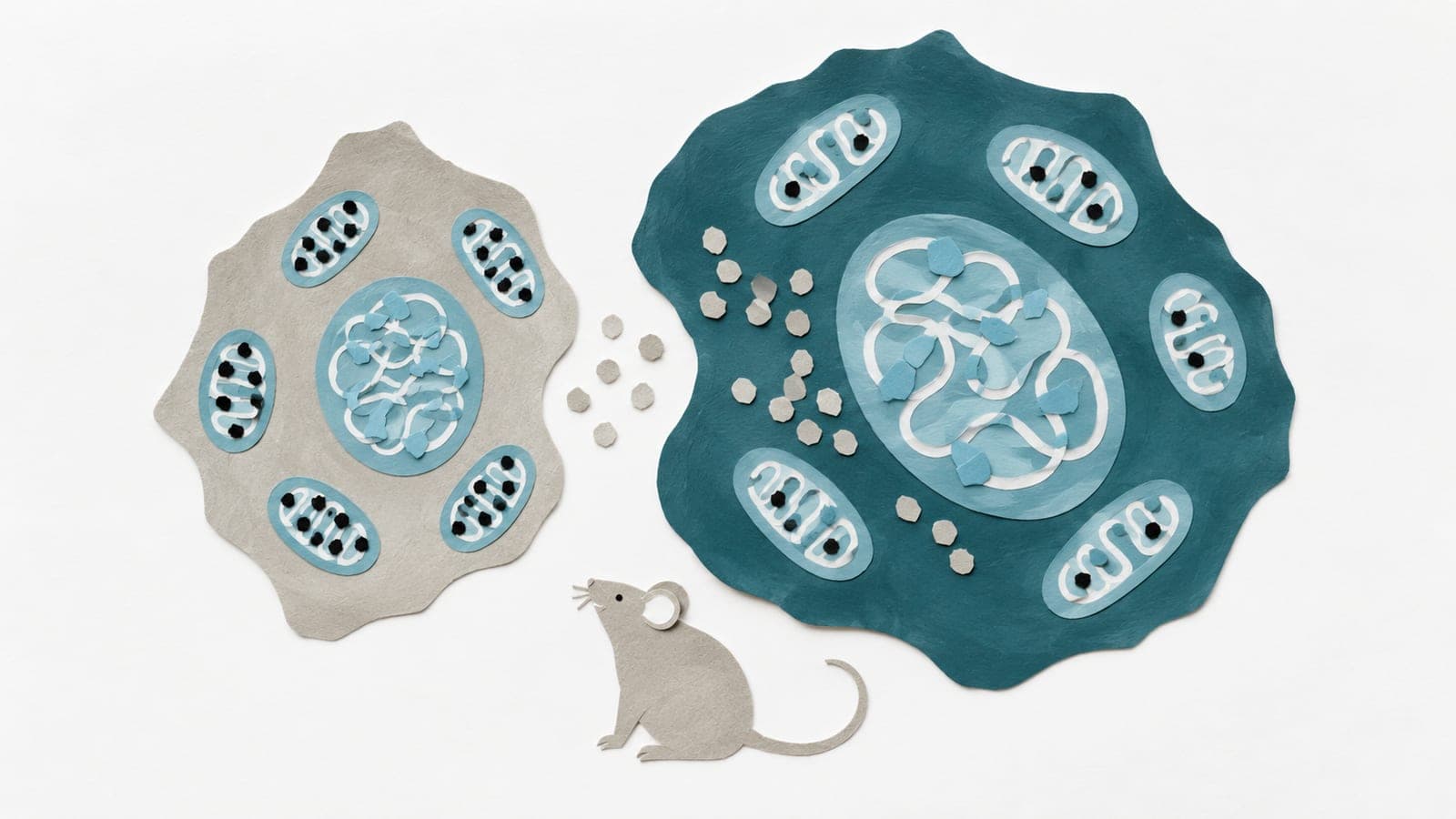
INTRODUCTION: Endothelial cell aging is strongly associated with mitochondrial dysfunction, particularly the disruption of mitochondrial-nuclear retrograde communication (MNRC), which is essential for sustaining cellular homeostasis and regulating crucial cellular processes. Nanosecond pulsed electric fields (nsPEF) were shown to exert biological effects by targeting mitochondria. However, the nsPEF regulation of MNRC is still unclear. METHODS: In this study, we set up an in vitro model of d-galactose-induced senescence in human umbilical vein endothelial cells (HUVECs) to investigate the effects of nsPEF treatment on oxidative stress, cell proliferation, mitochondrial membrane potential, and markers of MNRC (MNRC), including HIF-1α and SIRT1. Moreover, we conducted in vivo animal experiments to evaluate nsPEF treatment's effects on HIF-1α and SIRT1 protein expression in endothelial cells (ECs) of in vivo rodents' aging/senescing skin tissue, as well as to examine any later changes in vascular density within the skin. RESULTS: In vitro results showed that nsPEF treatment suppressed d-galactose-induced senescing effects as they rescued mitochondrial membrane potential, and activated HIF-1α and SIRT1. These effects were confirmed by concurrent reductions in SA-β-Gal activity and in ROS production, and increases in EdU-positive (DNA-synthesizing) cells. Our data showed that nsPEF treatments rescued endothelial cells from d-galactose senescence. Interestingly, nsPEF selectively targeted senescing cells at the tested dose, with no detectable effect on otherwise untreated (normal) HUVECs. In vivo nsPEF treatments upregulated the expression of HIF-1α and SIRT1 in ECs and promoted neoangiogenesis in aged/senescent rodents' skin. CONCLUSIONS: These findings suggest that nsPEF treatments rescue ECs from aging by restoring MNRC, highlighting its potential as a therapeutic strategy for age-related vascular diseases.
- Nanosecond pulsed electric field
- Angiogenesis
- Cellular senescence
- EdU-positive cells
- HIF-1α protein expression
- rodents
The paper
University of Verona; Shenzhen University
Regenerative Therapy, 18 Jun 2025