DHFR-Driven Metabolic Memory Sustains Periodontal Tissue Destruction
Abstract
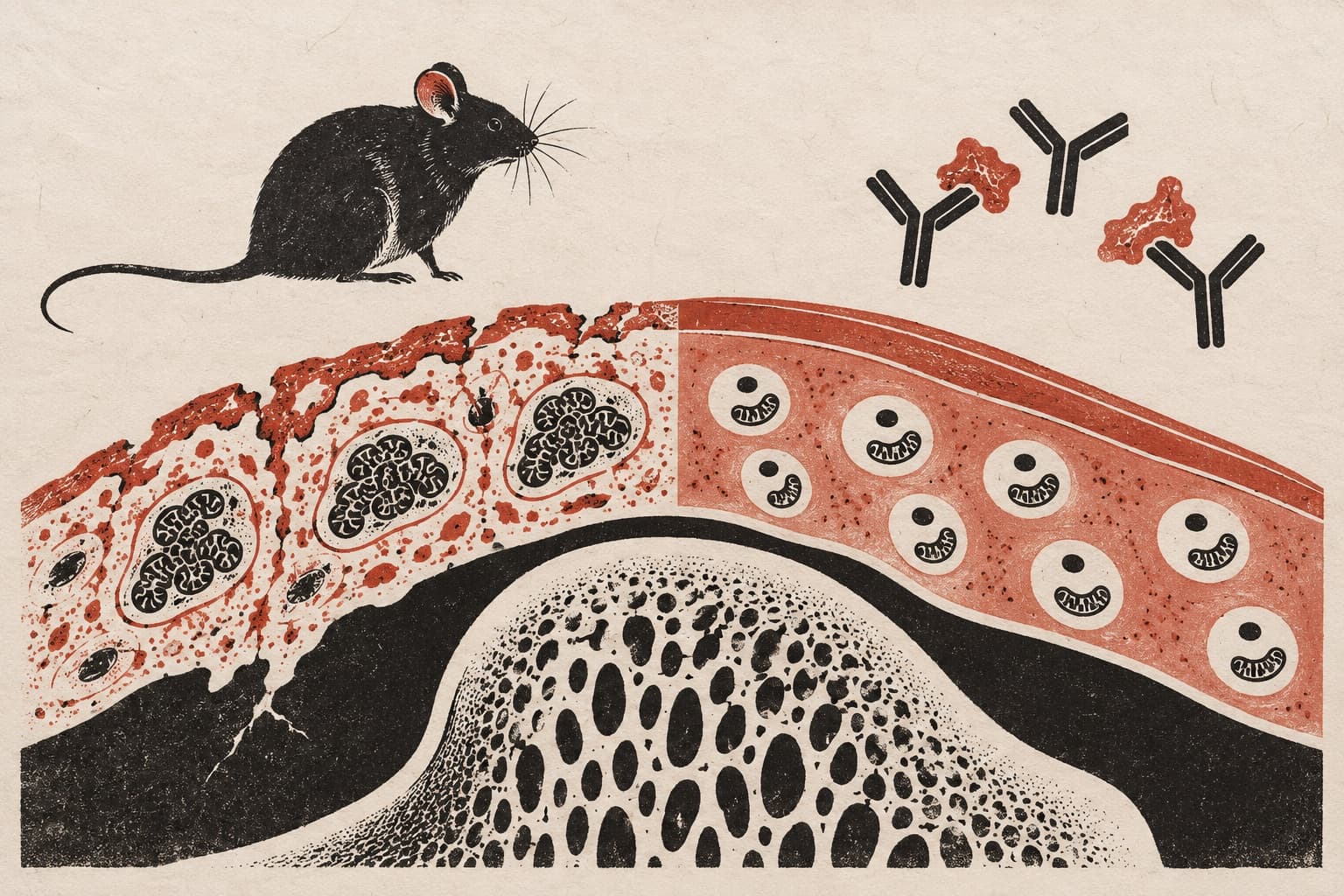
Diabetes mellitus is one of the most common metabolic diseases worldwide, with periodontal tissue destruction being a major complication. Hyperglycemia-induced changes in metabolism and immune responses may lead to persistent periodontal tissue destruction. This study aimed to investigate hyperglycemia-induced chronic periodontal tissue destruction by focusing on dihydrofolate reductase (DHFR) and its role in metabolic memory. We used CD45.2⁺ BKS-Leprem2Cd479/Gpt mice and CD45.1⁺ FVB/NJGpt mice to construct metabolic memory and bone marrow transplantation models, respectively. Our findings showed that hyperglycemia induced a persistent inflammatory senescent phenotype in macrophages. Insulin glycemic control was unable to reverse these pathological changes in bone marrow-derived macrophages and gingival tissues. Furthermore, combined metabolomic and transcriptomic analyses revealed reduced DHFR-mediated 1-carbon metabolism under hyperglycemia, with decreased levels of the reduced form of nicotinamide-adenine dinucleotide phosphate and adenosine triphosphate caused by altered glucose metabolism, impairing the function of DHFR. Alterations in DNA methylation may be responsible for memory-like metabolic patterns in macrophages. Finally, DHFR overexpression reversed hyperglycemia-induced persistent metabolic and pathological changes in macrophages. In summary, this study highlights DHFR-mediated metabolic memory in macrophages as a key factor driving hyperglycemia-induced chronic periodontal tissue destruction.
The paper
Sichuan University
Journal of Dental Research, 26 Jun 2025