Roles of Brd4 in Vascular Smooth Muscle Cells: Implications for Aging and Vascular Dysfunction
Abstract
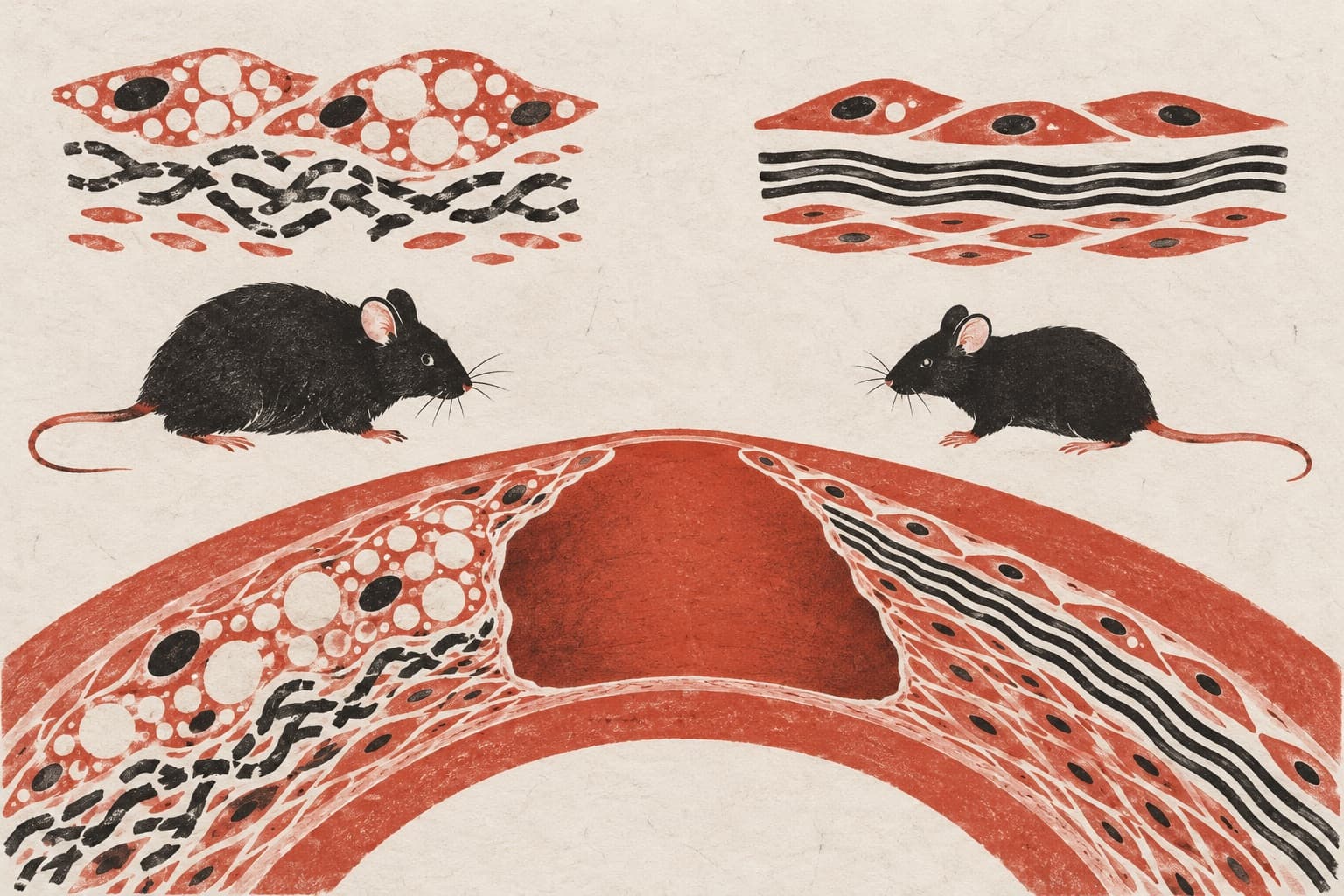
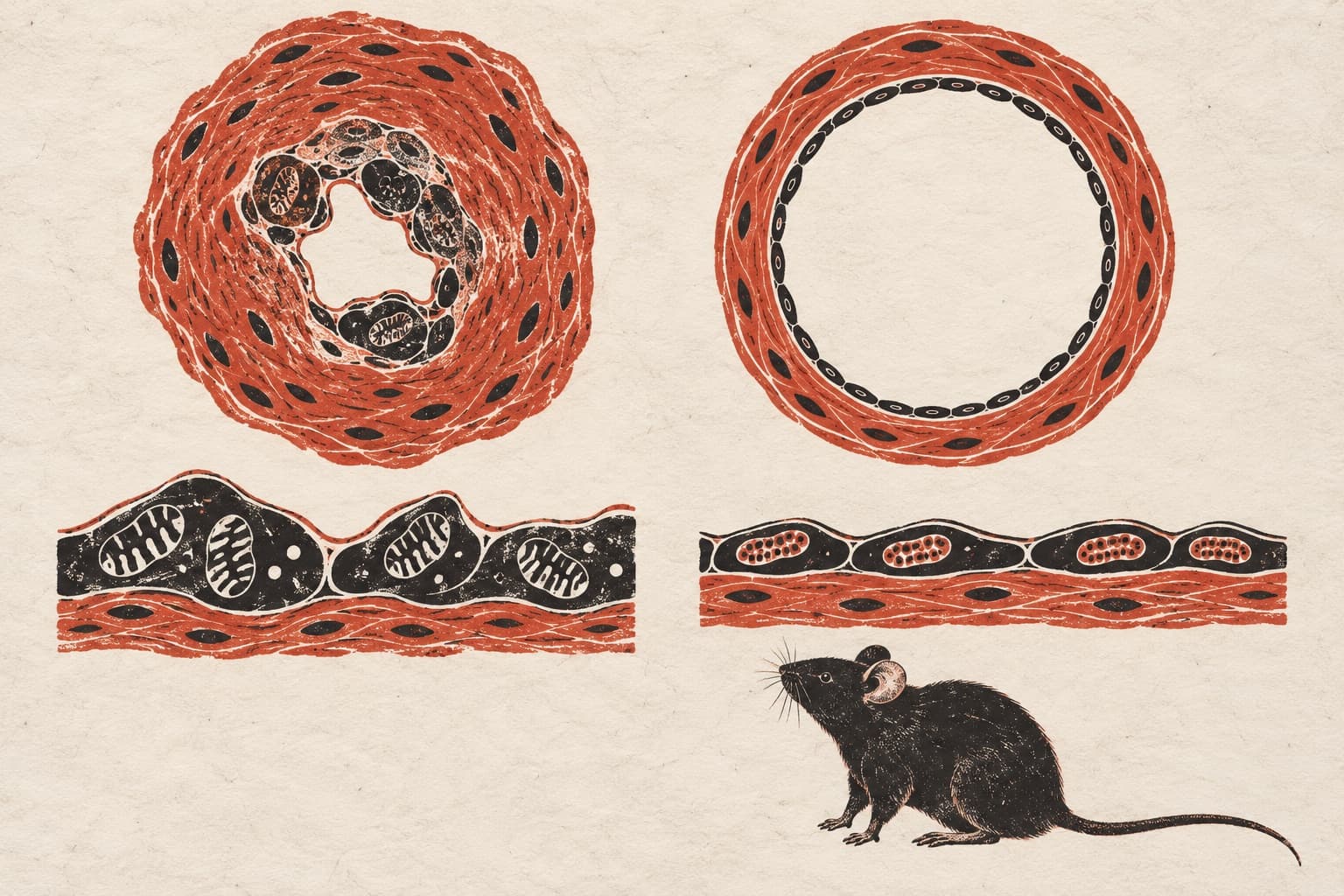
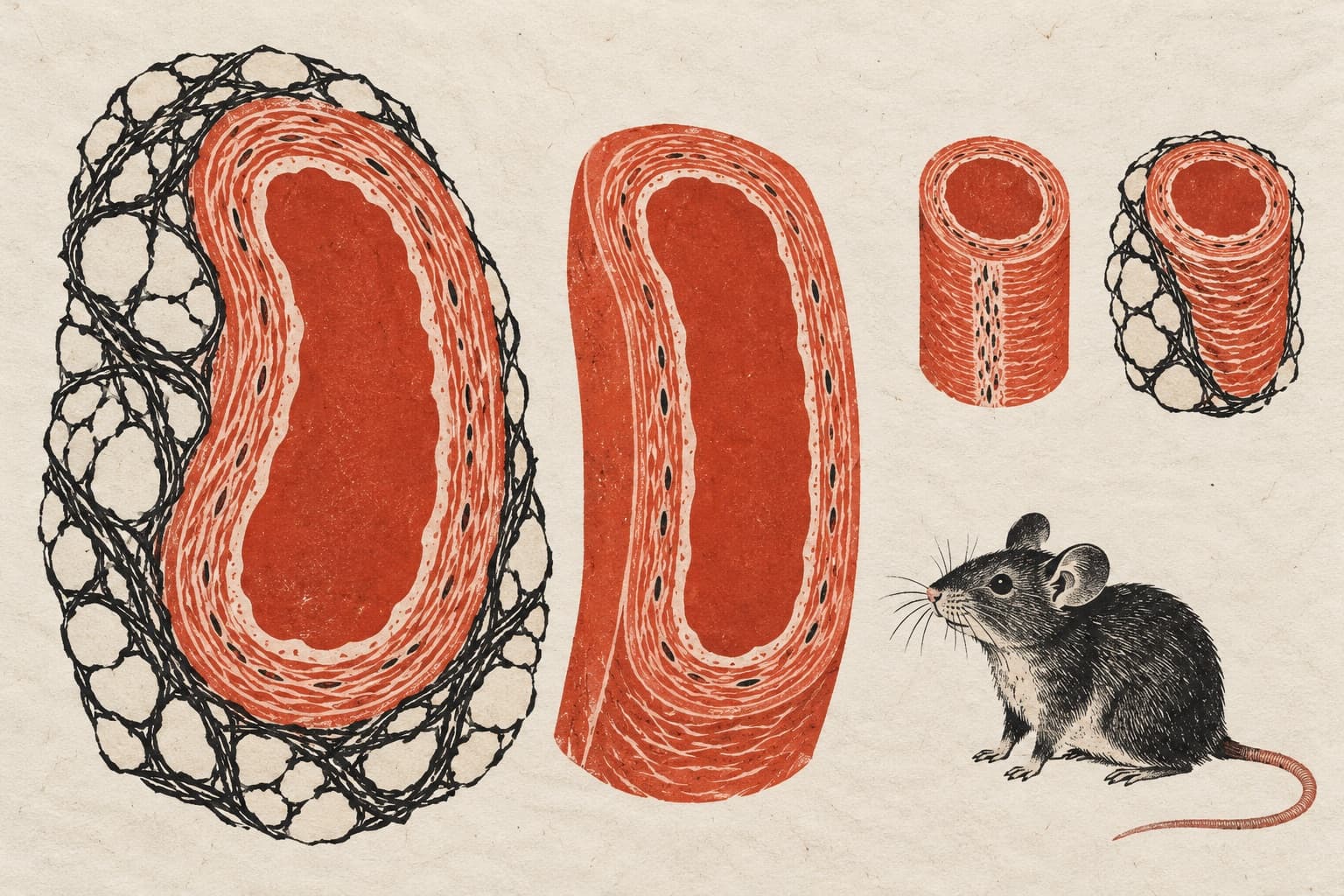
BACKGROUND: Growing evidence suggests that the epigenetic reader Brd4 (bromodomain-containing protein 4) is involved in aging and aging-related diseases. However, the specific mechanisms by which Brd4 influences vascular aging, especially senescence of vascular smooth muscle cells (SMCs), remain unexplored. METHODS: Primary cell cultures were established using mouse aortic SMCs and treated with Brd4 inhibitor, ARV-825, or (+)-JQ1. Primary Brd4flox/flox mouse aortic SMCs were transduced with Ad-Cre virus to induce Brd4 knockout (KO). Senescence was assessed through SA-β-gal (senescence-associated β-galactosidase) staining. A mouse model of inducible SMC-specific Brd4 gene KO (SMC-Brd4-KO) was generated with the Cre-LoxP system. The control and SMC-Brd4-KO mice were evaluated for arterial contractility, blood pressure, arterial stiffness, and Ang II (angiotensin II)-induced vascular aging, as well as transcriptome profiling using RNA-sequencing analysis. RESULTS: Brd4 inhibition with ARV-825, (+)-JQ1, or Brd4 knockdown through Ad-Cre virus in Brd4flox/flox SMCs led to cellular senescence. Induced SMC-Brd4-KO in adult mice prevented neointima formation. SMC-Brd4-KO mice exhibited increased aortic stiffness and blood pressure with enhanced arterial contractility ex vivo. In addition, Brd4 expression was downregulated in aortic tissues of aged mice and senescent human aortic SMCs. Furthermore, SMC-Brd4-KO mice displayed more prominent histopathologic features of vascular aging in response to Ang II infusion. Aortic tissues from SMC-Brd4-KO mice showed a more robust contractile response to Ang II and phenylephrine, accompanied by multiple genetic changes, including alterations in cytoskeleton genes. Transcriptomes of Brd4 KO aortas displayed gene signatures of dampened autophagy, intriguingly associated with a downregulation of microtubule genes, including Tuba4a (α-tubulin). Experiments in vitro with Brd4 KO SMCs demonstrated the potential role of impaired autophagy and depleted α-tubulin in mediating induction of senescence in SMCs. CONCLUSIONS: Brd4 depletion in SMCs induces senescence, prevents neointima formation, and exacerbates vascular aging, highlighting its crucial roles in vascular functions and diseases.
The paper
Army Medical University; University of Calgary
Arteriosclerosis, Thrombosis, and Vascular Biology, 22 May 2025