Causes and consequences of T cell DNA damage
Abstract
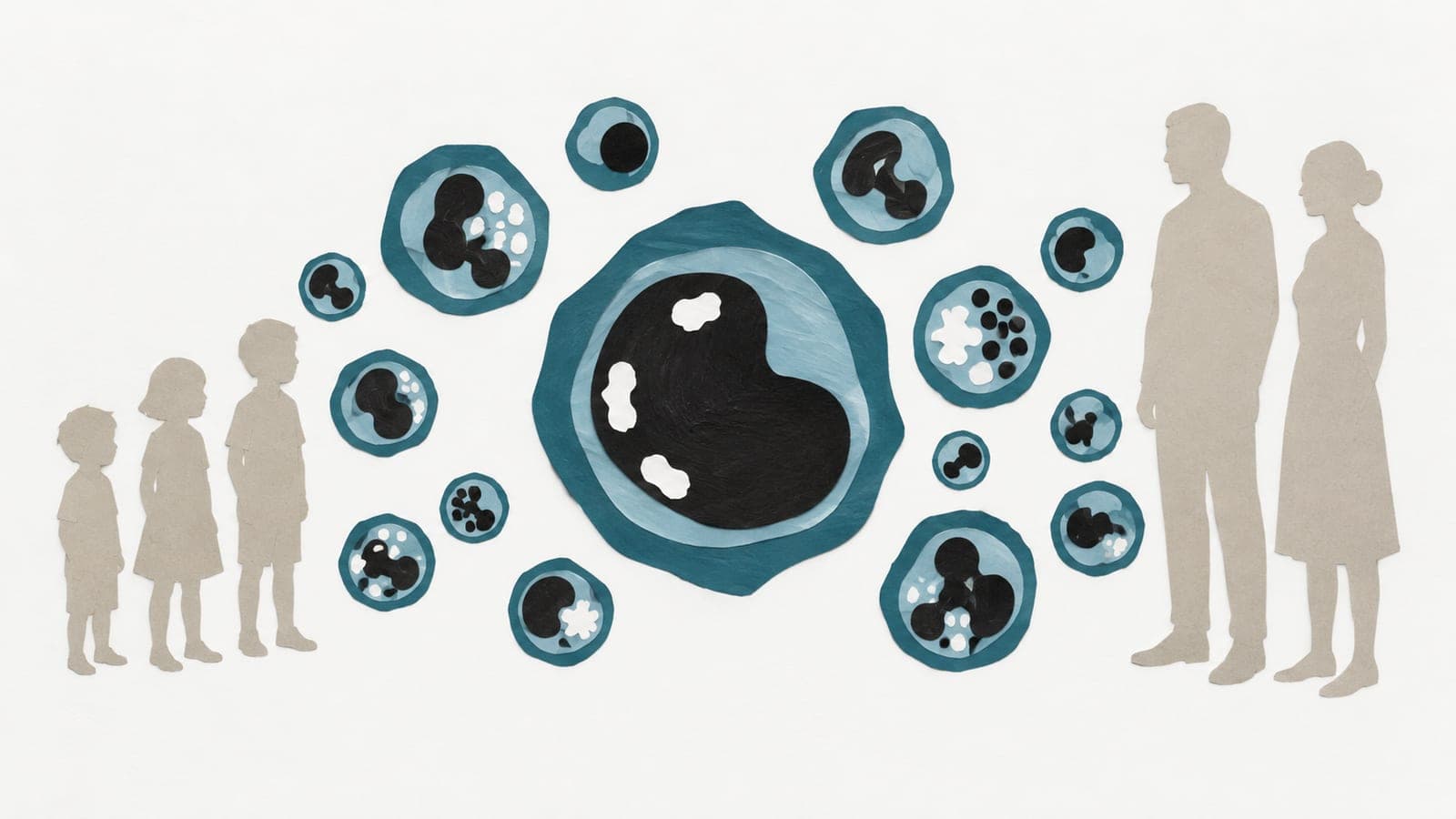
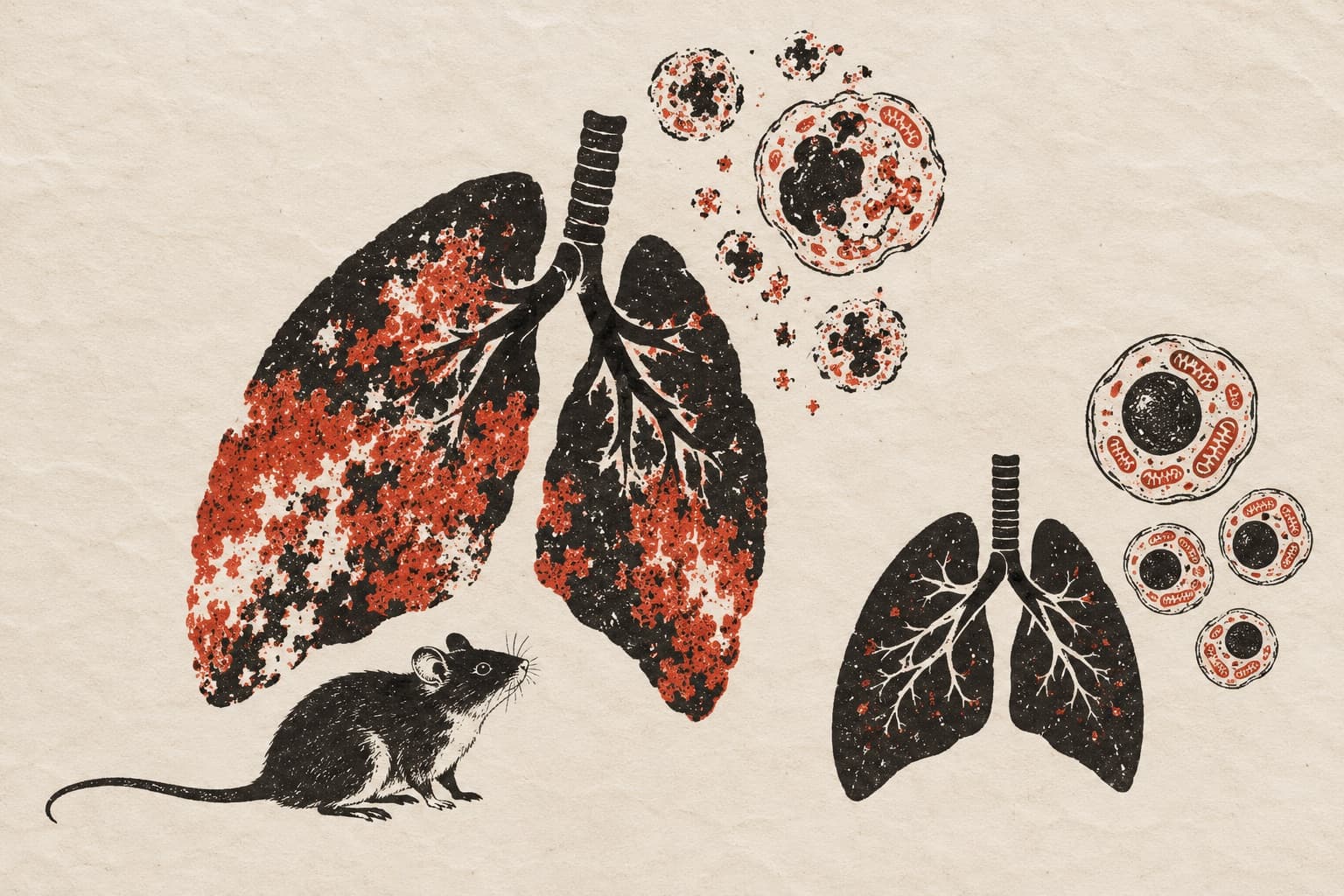
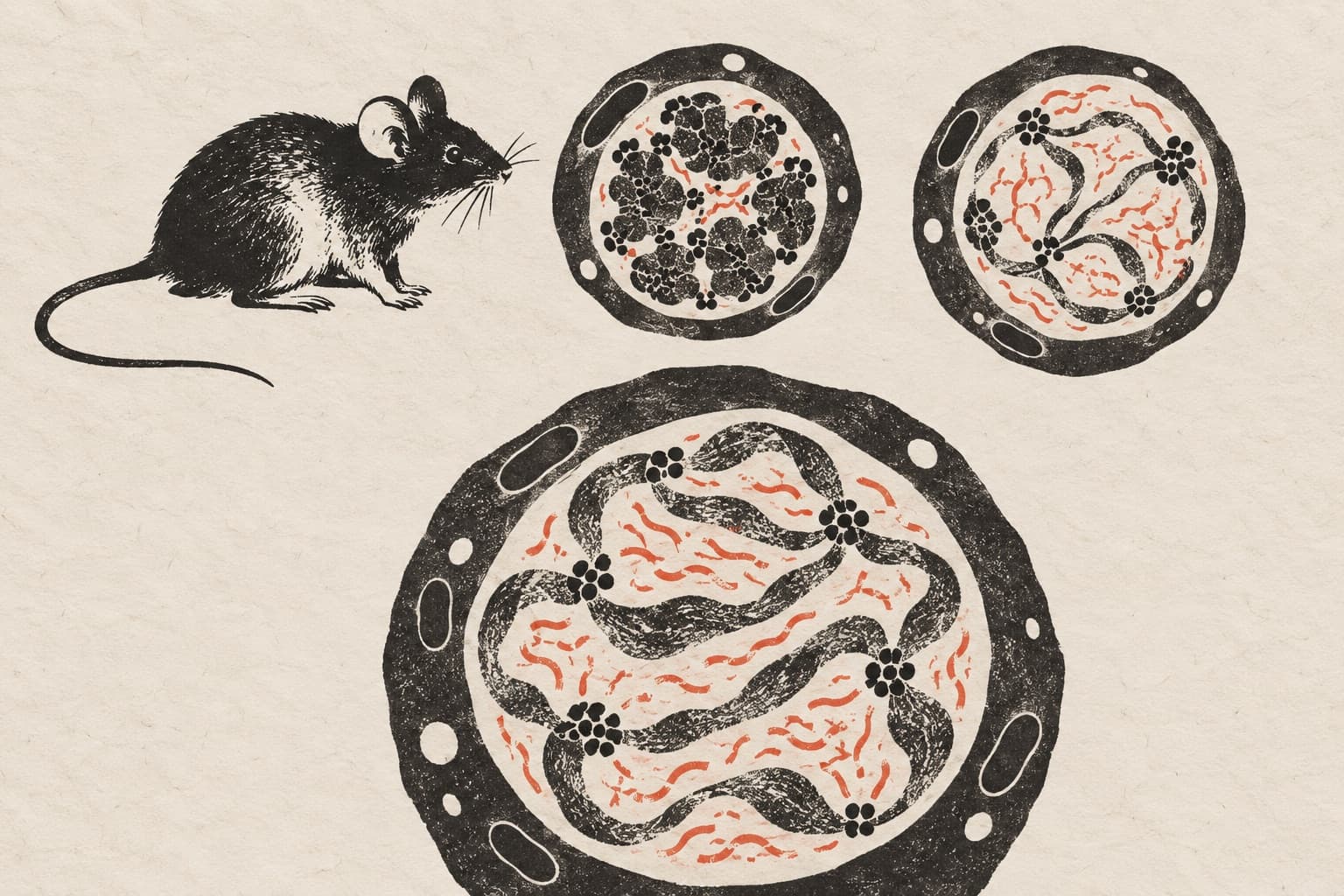
Although DNA damage is a common cellular event, T cells experience significant genotoxic stresses because of rapid antigen-stimulated expansion and their presence in various nonlymphoid microenvironments. In addition to the well-established link between genomic instability and malignancy, recent genomic studies have uncovered a substantial mutational burden in nonmalignant T cells in both normal aging and disease contexts. Furthermore, genomic damage in T cells is accelerated in autoimmune diseases and in older individuals because of both intrinsic and extrinsic factors. This review highlights the different genotoxic stressors affecting T cells and the detrimental effects of persistent DNA damage and identifies the most critical knowledge gaps.
The paper
Cyprus Cancer Research Institute (CCRI); Hebrew University of Jerusalem
Trends in Immunology, 16 May 2025