Predicting the progression of MCI and Alzheimer's disease on structural brain integrity and other features with machine learning
Abstract
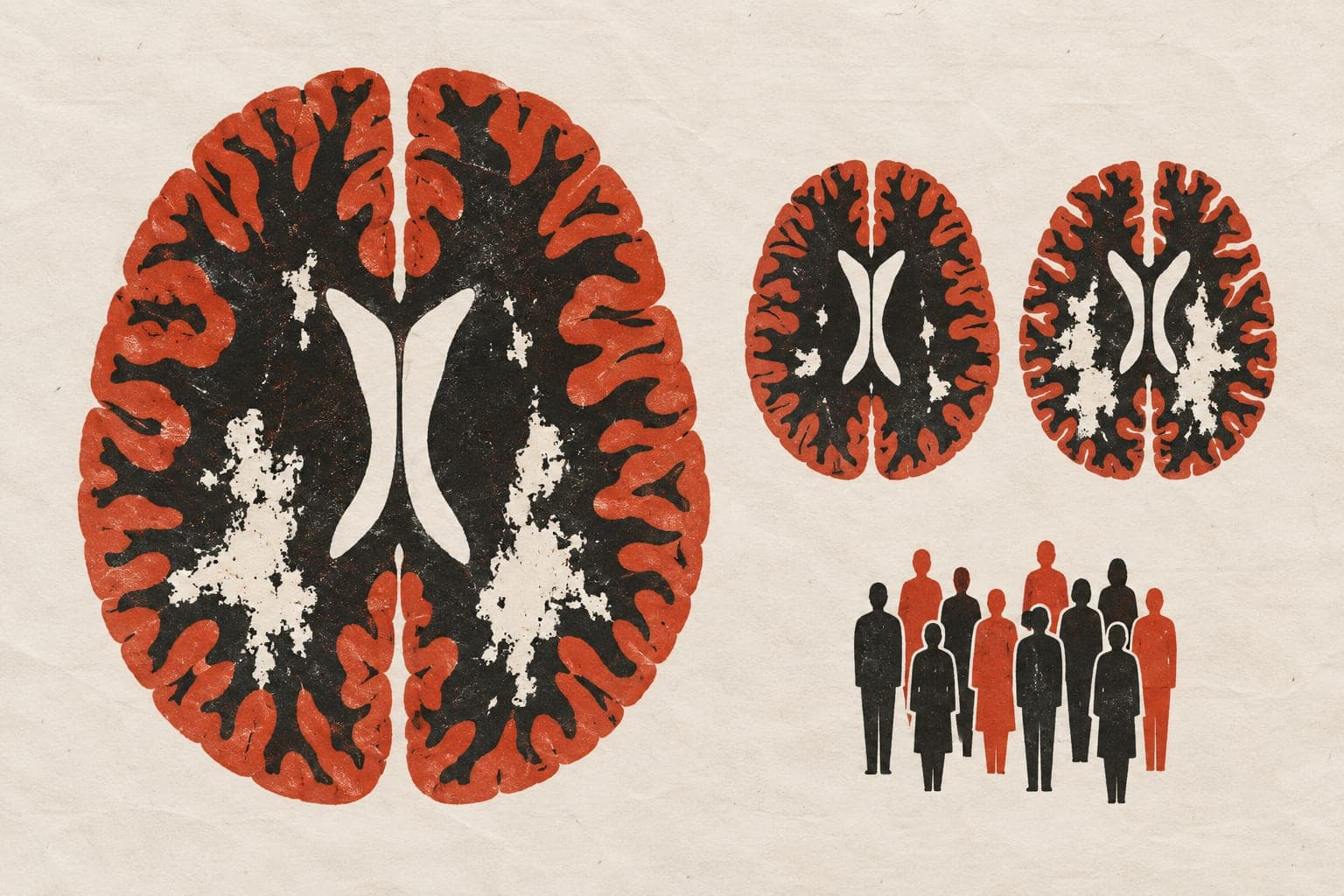
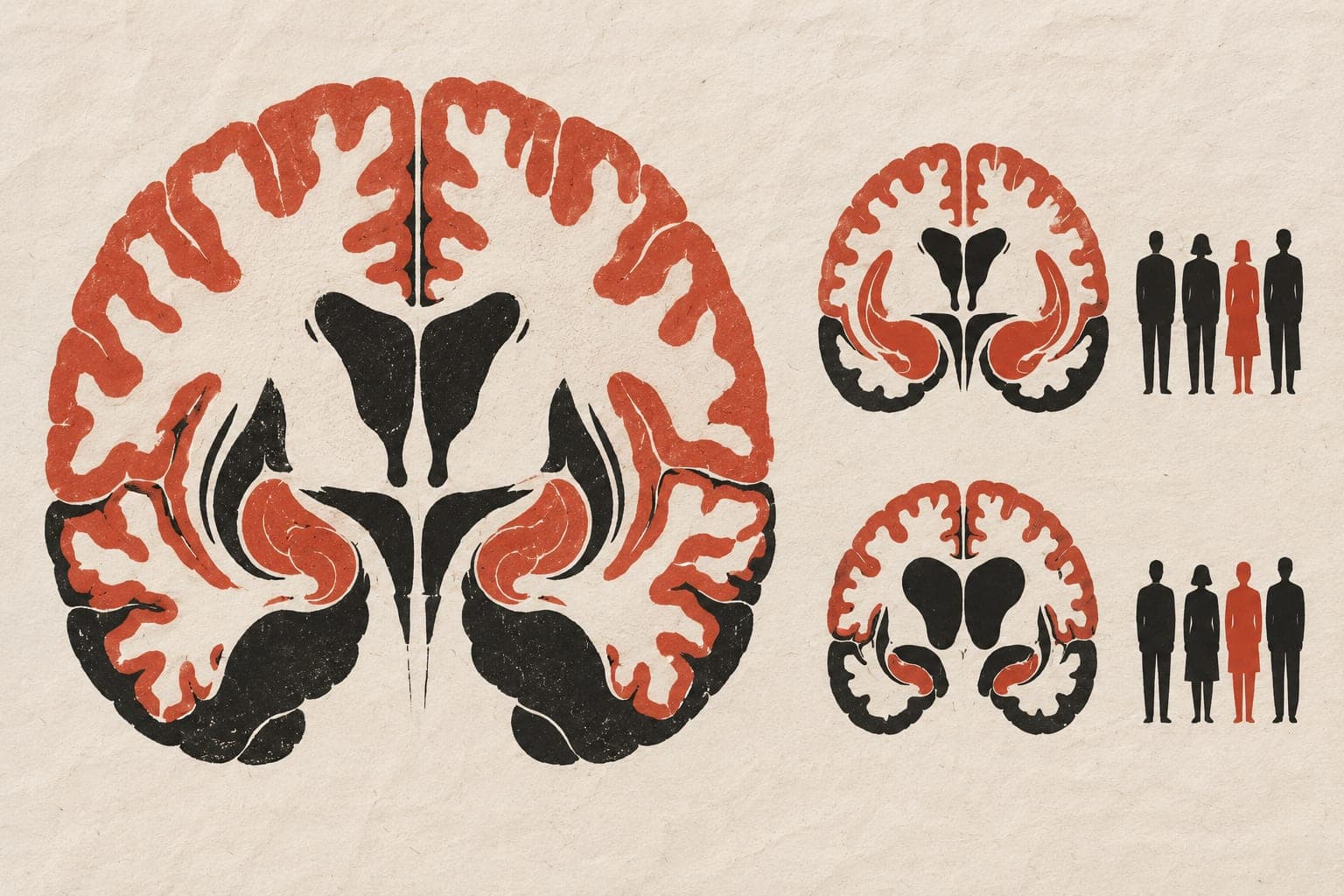
Machine learning (ML) on structural MRI data shows high potential for classifying Alzheimer's disease (AD) progression, but the specific contribution of brain regions, demographics, and proteinopathy remains unclear. Using Alzheimer's Disease Neuroimaging Initiative (ADNI) data, we applied an extreme gradient-boosting algorithm and SHAP (SHapley Additive exPlanations) values to classify cognitively normal (CN) older adults, those with mild cognitive impairment (MCI) and AD dementia patients. Features included structural MRI, CSF status, demographics, and genetic data. Analyses comprised one cross-sectional multi-class classification (CN vs. MCI vs. AD dementia, n = 568) and two longitudinal binary-class classifications (CN-to-MCI converters vs. CN stable, n = 92; MCI-to-AD converters vs. MCI stable, n = 378). All classifications achieved 70-77% accuracy and 61-83% precision. Key features were CSF status, hippocampal volume, entorhinal thickness, and amygdala volume, with a clear dissociation: hippocampal properties contributed to the conversion to MCI, while the entorhinal cortex characterized the conversion to AD dementia. The findings highlight explainable, trajectory-specific insights into AD progression.
The paper
University of Lübeck
GeroScience, 26 Apr 2025