Liquid-liquid phase separation of RBM33 facilitates hippocampus aging by inducing microglial senescence by activating CDKN1A
Abstract
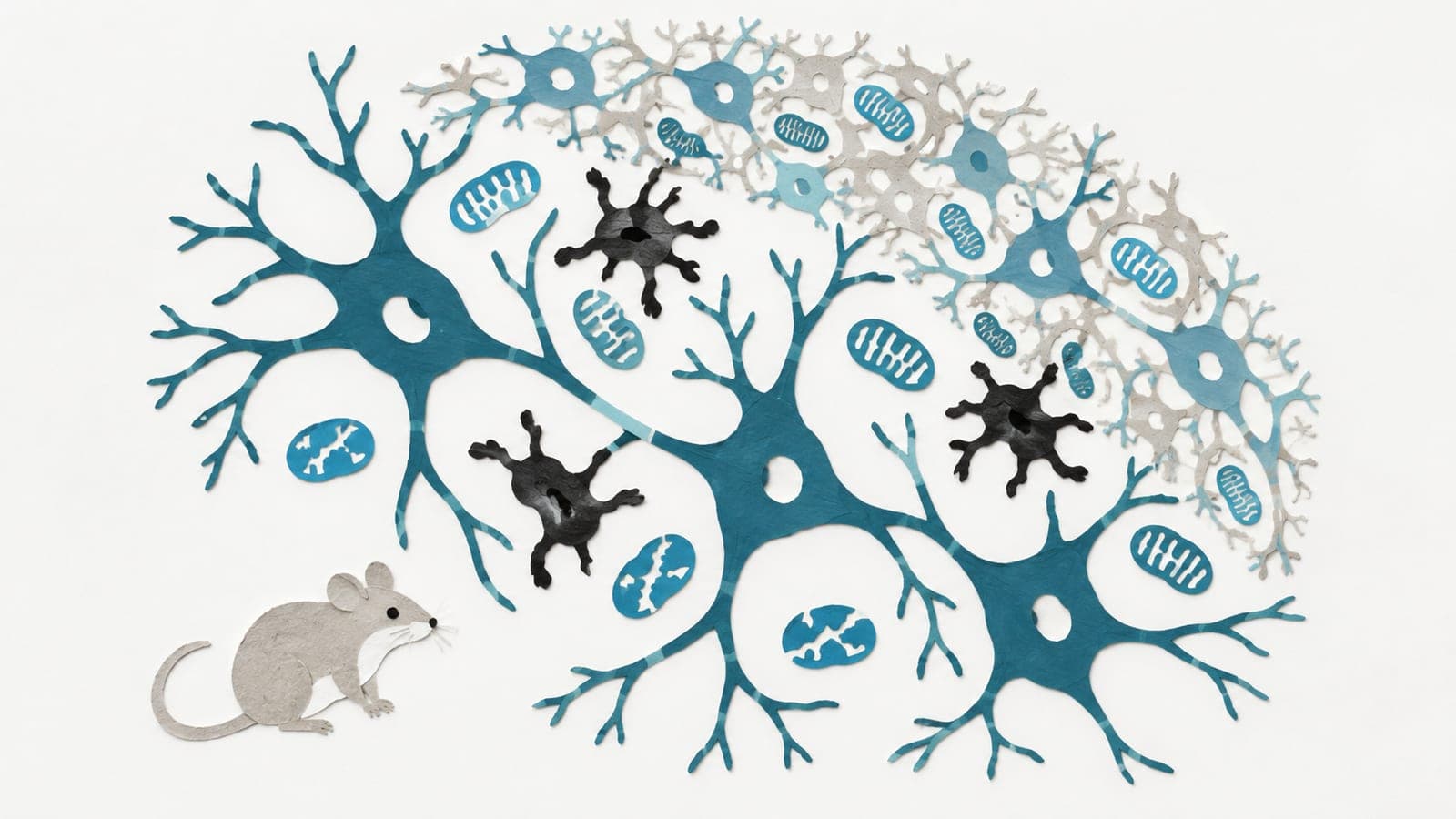
Microglia play an important role in hippocampus-dependent memory and cognitive function. Microglial aging contributes to hippocampal aging and influences neurodegenerative diseases, although the underlying mechanisms remain unclear. RBM33 was highly expressed in the hippocampus of naturally aged mice and senescent microglia. Hippocampus-specific genetic deletion of RBM33 alleviated age-related declines in learning and memory in aged RBM33 knockout (RBM33-/-) mice. In contrast, hippocampus-specific overexpression of RBM33 exacerbated these declines in aged RBM33 overexpression (RBM33Tg) mice, indicating that RBM33 acts as an age-promoting factor in the hippocampus. Mechanistically, RBM33 forms liquid-liquid phase separation (LLPS) both in vitro and in cells. RBM33 LLPS is required for its binding to the CDKN1A (p21cip1) promoter in a non-canonical transcriptional regulatory manner, leading to hippocampus-dependent declines in learning and memory by inducing microglial senescence. This study reveals that the RBM33 LLPS/ p21cip1 axis facilitates brain aging by inducing microglial senescence. Targeting the RBM33 LLPS/ p21cip1 axis may represent a therapeutic strategy to mitigate microglia senescence-mediated brain aging and hippocampus-dependent cognitive decline.
The paper
Hubei University of Medicine
International Journal of Biological Macromolecules, 9 Apr 2025