Loss of the protein FUS boosts signs of aging in human lung cells
Experiments on primary lung fibroblasts from control and IPF patients showed that reduced FUS boosted gene-reading speed and hallmarks of fibrosis and senescence.
bioRxiv
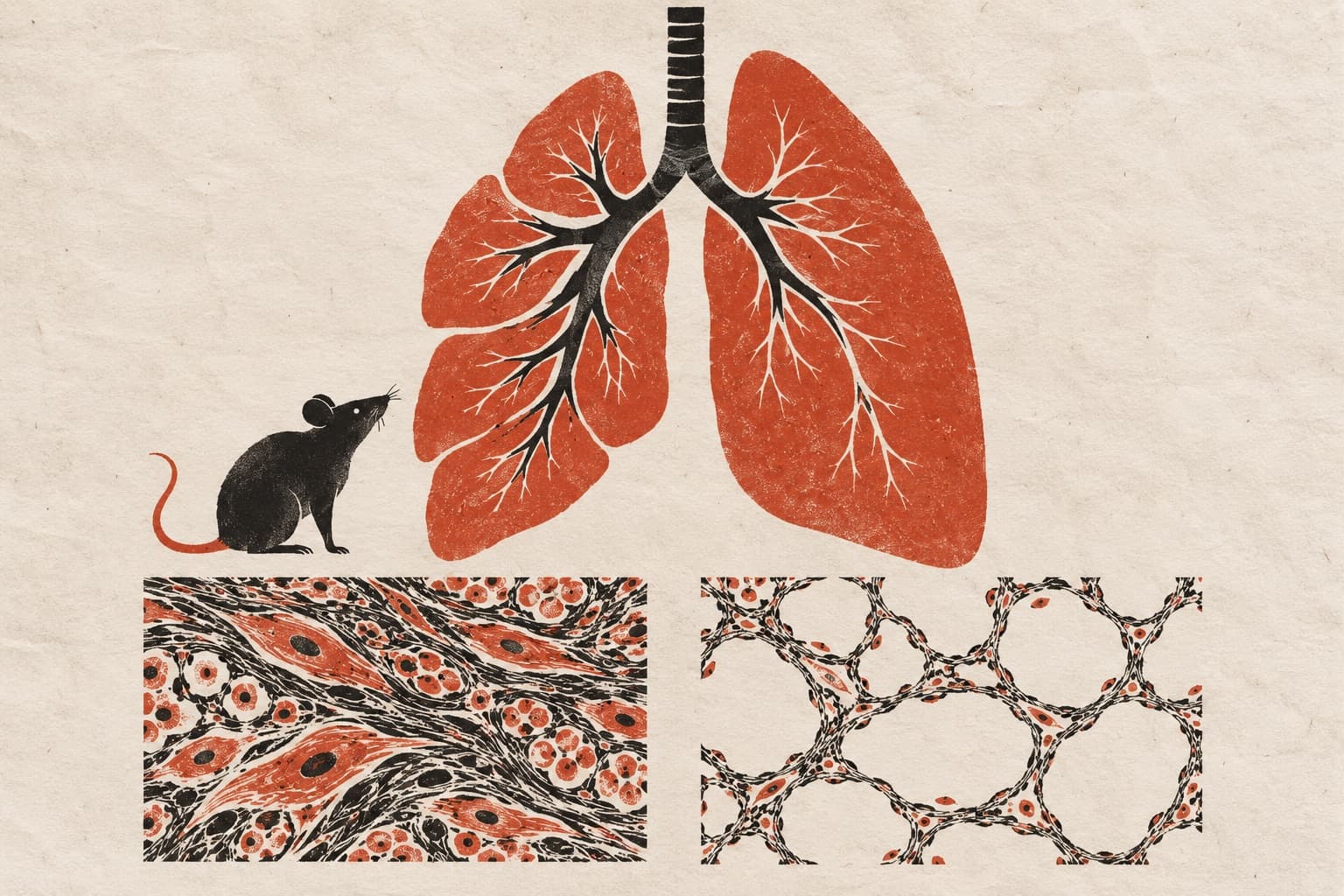
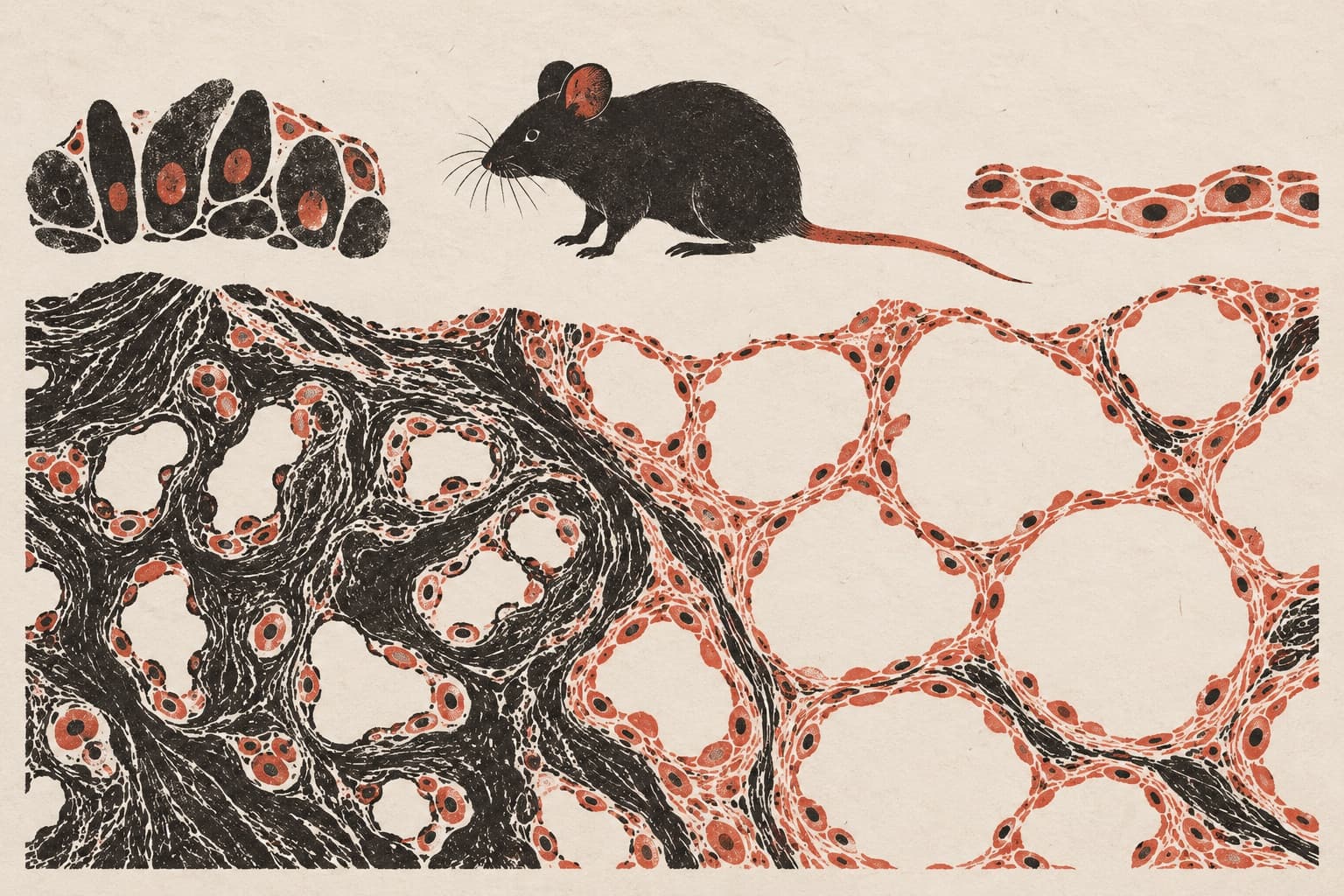
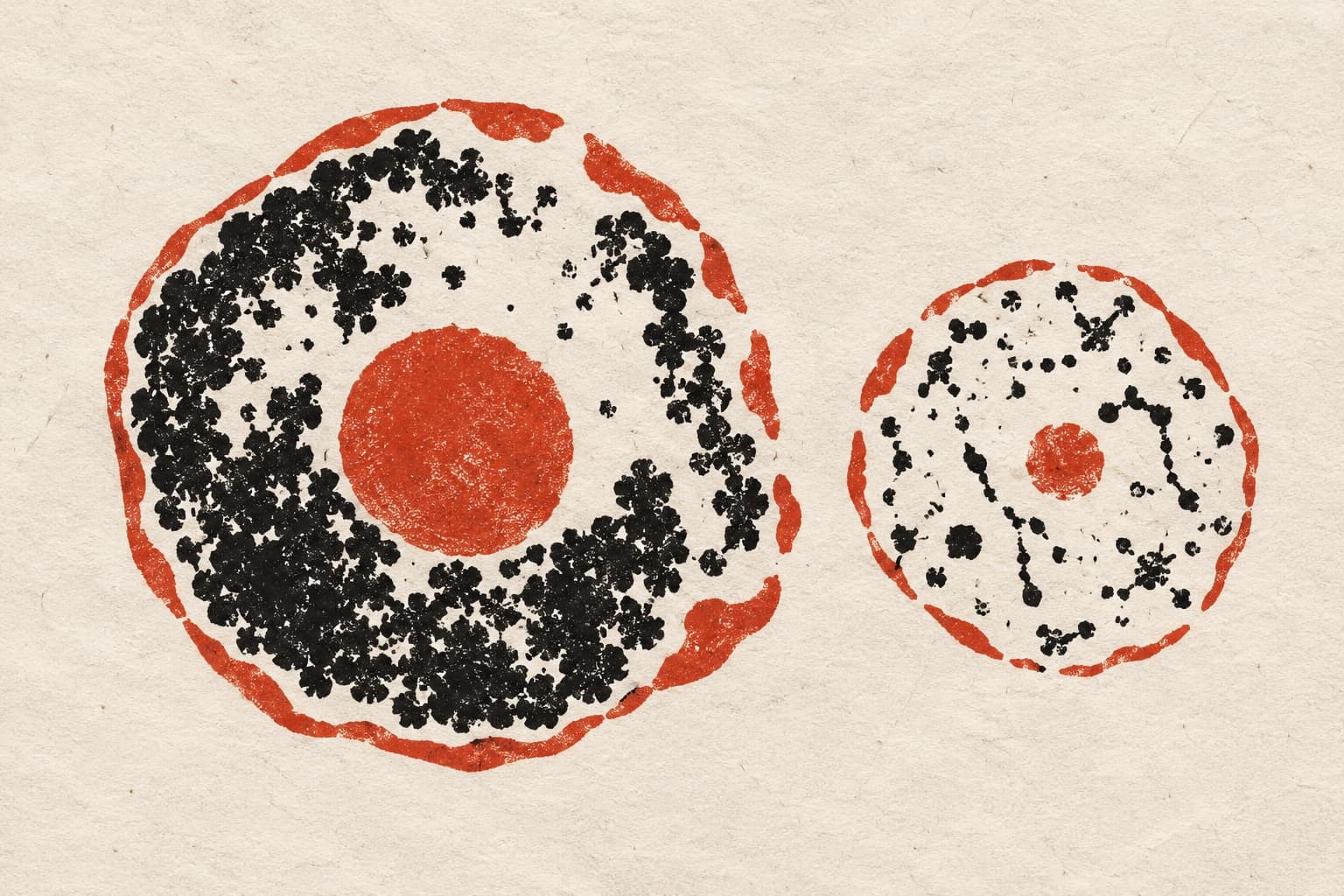
Researchers studied primary lung fibroblasts, structural cells from the lungs of control and idiopathic pulmonary fibrosis patients. In cell experiments, disabling the DNA- and RNA-binding protein FUS in control fibroblasts enhanced hallmarks of fibrosis and senescence, a state in which cells stop dividing, mimicking fibroblasts from patients. In fibroblasts from patients with the disease, reduced levels of FUS abolished the formation of R-loops, which are structures composed of DNA and RNA, at gene start sites. This loss led to increased recruitment and movement speed of RNA polymerase II, the enzyme that reads DNA into RNA. As a result, the cells showed increased activity of genes related to fibrosis and cellular senescence.
Why it matters
Idiopathic pulmonary fibrosis is an age-related lung condition linked to cellular senescence. The findings suggest how alterations in the speed of gene readout may contribute to tissue scarring and cellular stress during aging.
Caveats
The findings come from cells grown in the lab rather than intact human tissues. The work is also a preprint that has not yet undergone peer review.
The paper
Cell-specific FUS loss enhances ageing-associated transcriptional elongation in lung fibrosis
Show 14 more authors
K. Rubio, G. Swaminathan, N. Charif, N. de Isla, W. Szymanski, G. Kolluru Venkataswamy Reddy, P. Braubach, S. Mahmood, S. Guenther, M. N. Rivera, J. Graumann, T. Braun, M. Wygrecka, G. Dobreva,Centre National de la Recherche Scientifique (CNRS)
bioRxiv · 9 Oct 2026 · Preprint, not peer-reviewed