Peripheral lymphocyte phenotypic characteristics in healthy populations across the lifespan, from infancy to older adults
Abstract
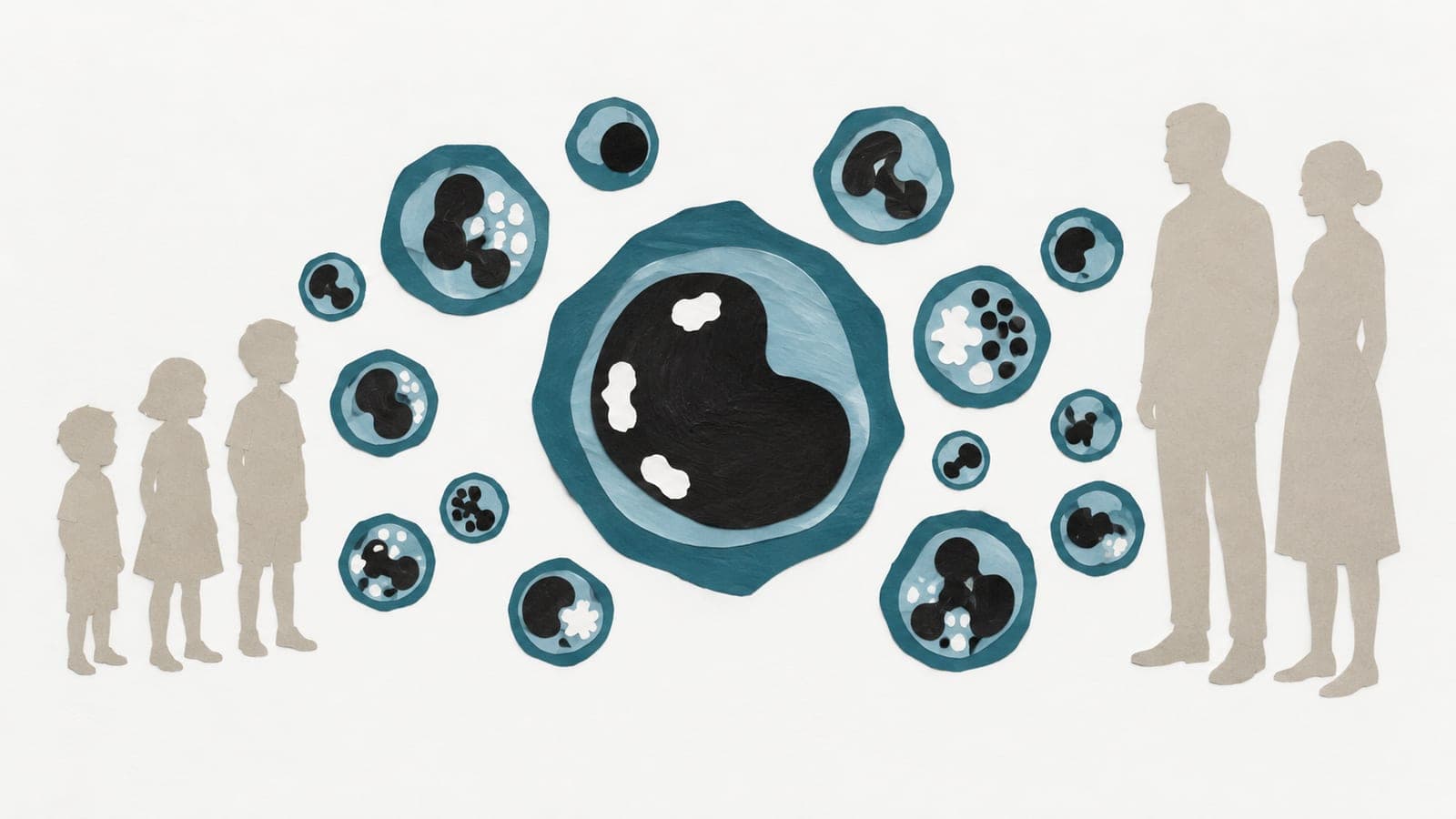
INTRODUCTION: Lymphocyte compartment undergoes dramatic changes during childhood and adulthood. Changes in lymphocyte subtypes with age, from infancy to senescence, are rare. METHODS: A total of 364 healthy individuals were included in this study. The population was divided into 2 groups: children and adults. RESULTS: The proportion of naive CD4 T cells decreased gradually in the children group (P < .001), and this decrease was significantly negatively correlated with the adult group (P = .008). Conversely, the percentage of memory CD4 T cells increased, with central memory CD4 T cells showing an increase in both groups and effector memory CD4 T cells especially increasing in the children group (P < .001). A similar pattern of changes was observed in naive CD8 T cells, memory CD8 T cells, and CD45RA-positive regulatory T cells. There was a negative correlation between age and the proportion of naive B cells in the children group (P < .001) as well as plasma B cells in the adult group (P < .001). Sex had no influence on the fluctuation of lymphocyte subsets. Furthermore, positive correlations were observed between the expression of T cells and B cells during the developmental process. DISCUSSION: The observed trends in the distribution of naive and memory lymphocyte subsets offer valuable insights that can help physicians understand patients' immune state and assess prognostic conditions.