Induction of epithelial cell senescence by SERPINE1 derived from fibroblasts in the amnion at parturition
Abstract
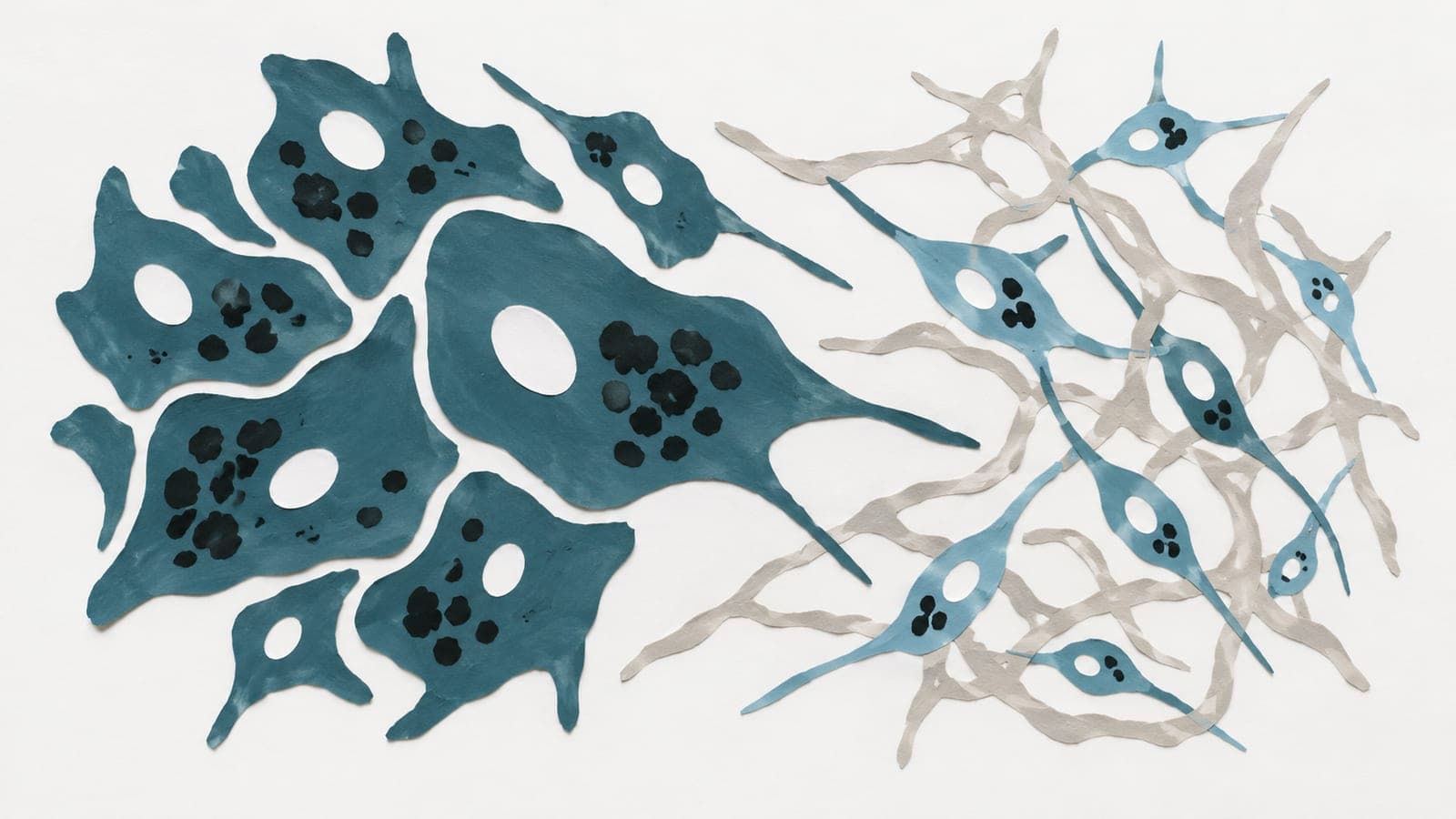
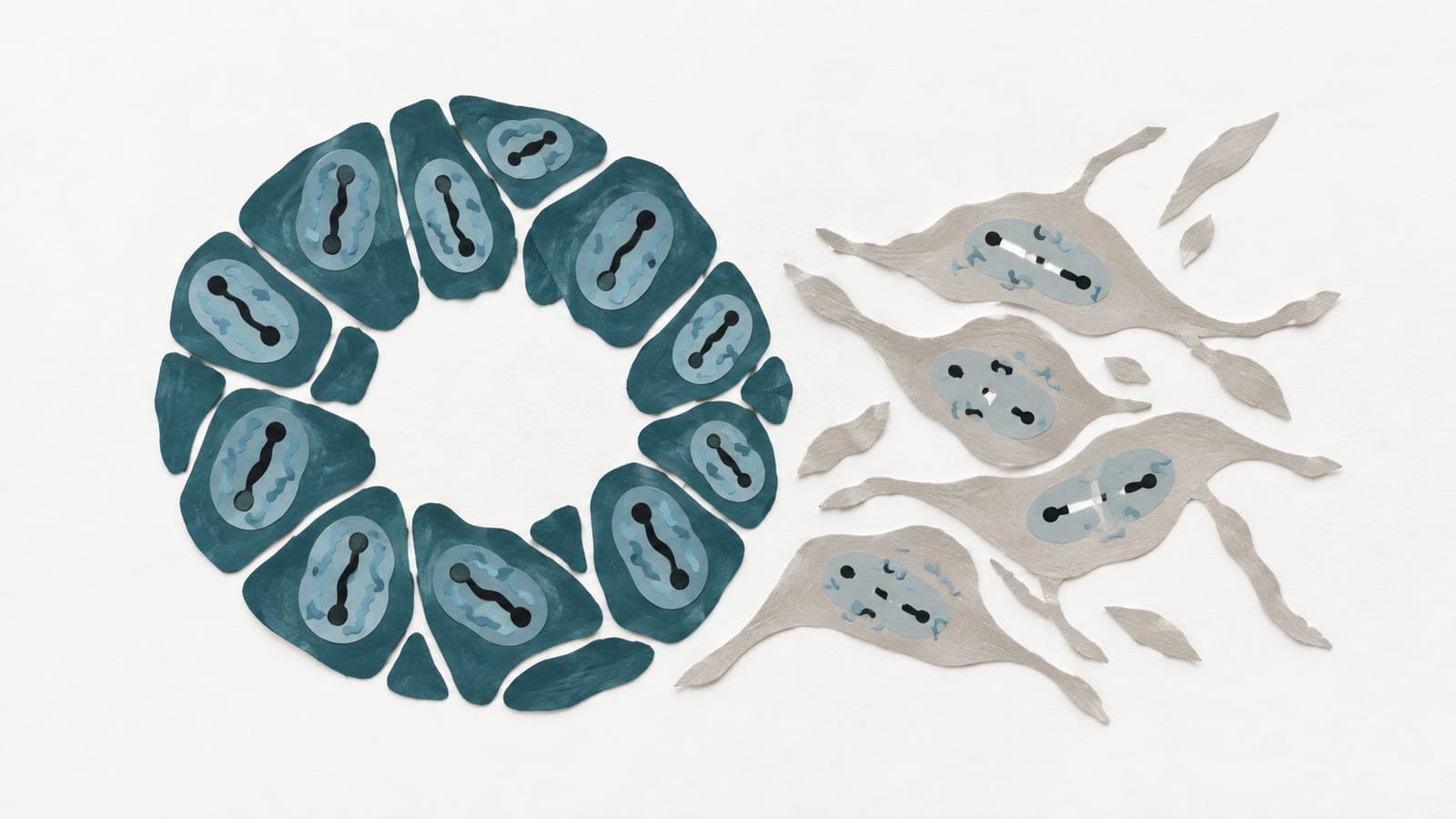
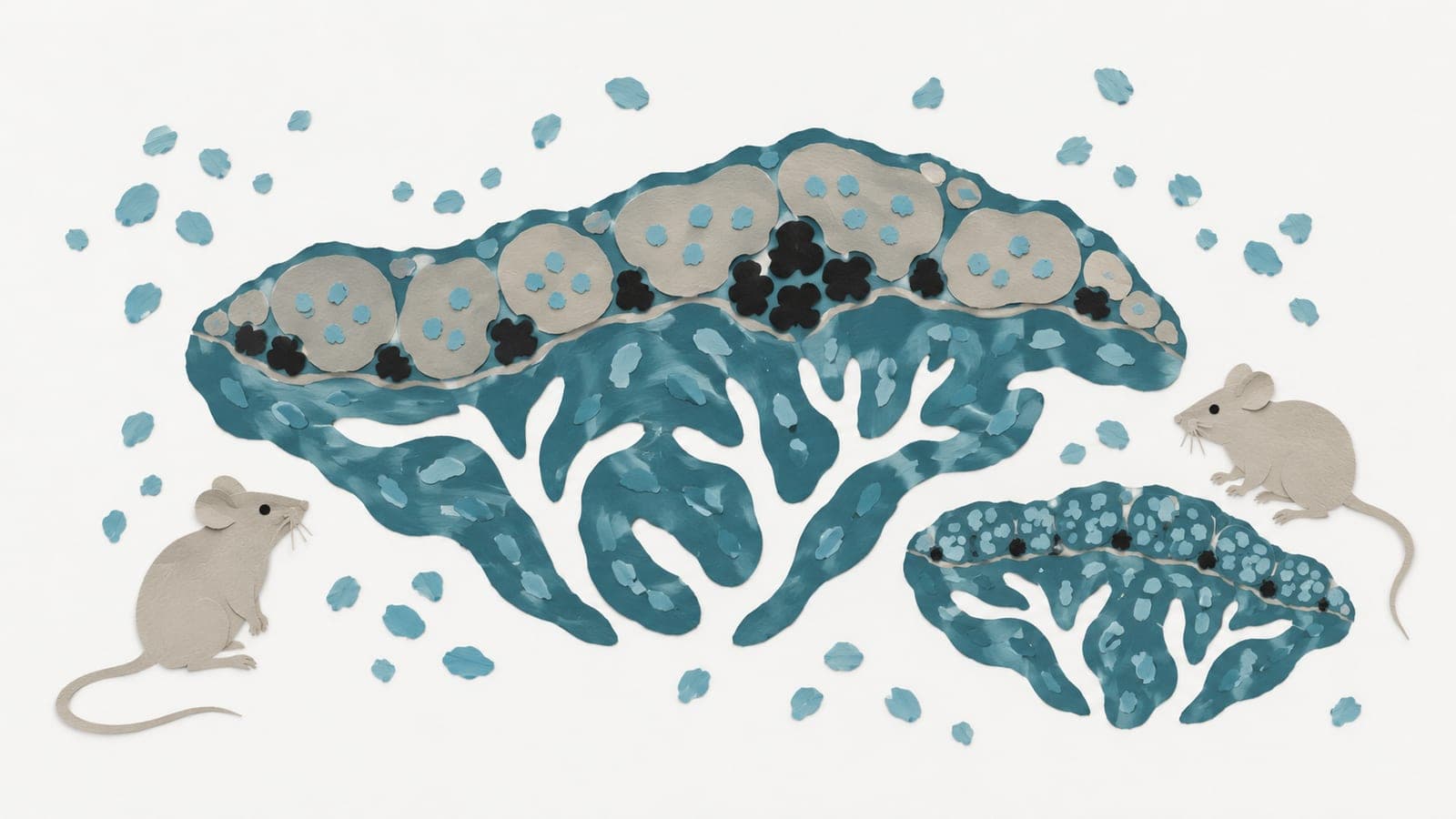
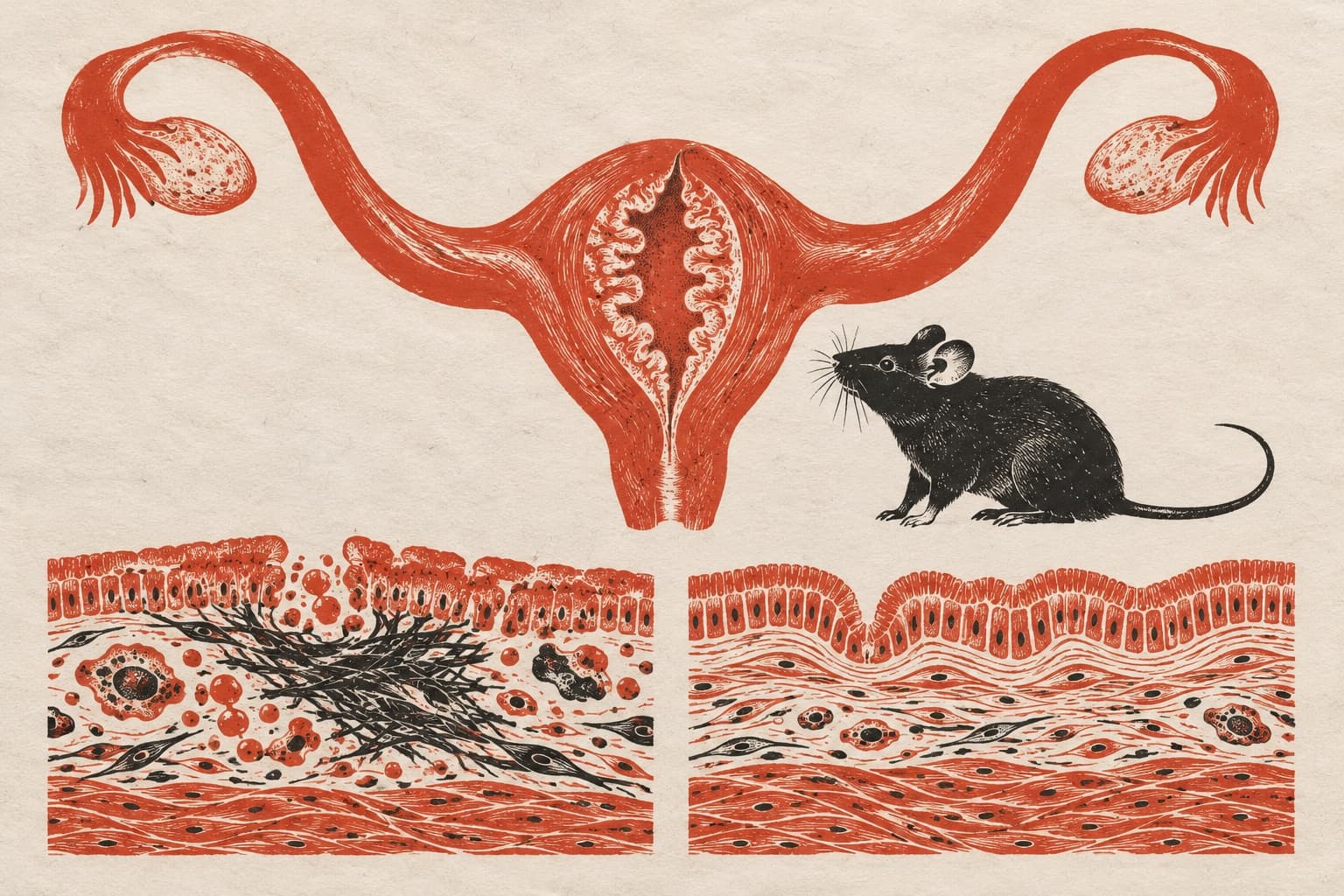
Senescence of amnion epithelial cells not only disrupts the fetal membrane structure, but also becomes a source of proinflammatory signals contributing to membrane inflammation at parturition. However, the trigger initiating their senescence awaits identification. In this study, we found that SERPINE1 abundance was significantly increased in the amnion at parturition, where SERPINE1 was found predominantly expressed in amnion fibroblasts. SERPINE1 from amnion fibroblasts induced amnion epithelial cell senescence by causing vitronectin shedding from the cells thereby interrupting the association of vitronectin with integrin subunit αV, which led to the inhibition of the cell survival-associated focal adhesion pathway. In turn, proinflammatory cytokines such as interleukin-1β from senescent amnion epithelial cells enhanced SERPINE1 expression in amnion fibroblasts, thus forming a feed-forward loop between SERPINE1 production in amnion fibroblasts and epithelial cell senescence at parturition. Studies in the pregnant mice showed that intra-amniotic injection of SERPINE1 induced preterm birth with increased cellular senescence in the fetal membranes, which could be reversed by co-administration of vitronectin. Our findings indicate that SERPINE1 derived from amnion fibroblasts participates in the induction of amnion epithelial cell senescence at parturition. Intervening in the interaction of SERPINE1 with vitronectin may have therapeutic benefit in the treatment of preterm birth.
The paper
Tongji University
Mechanisms of Ageing and Development, 23 Mar 2025