Prostaglandin E2 drives cellular senescence and scar fibrosis after cesarean section in mice
Blocking the prostaglandin E2 pathway or targeting cellular senescence reduces uterine scarring and improves tissue repair in mouse models of cesarean defects.
EMBO Molecular Medicine
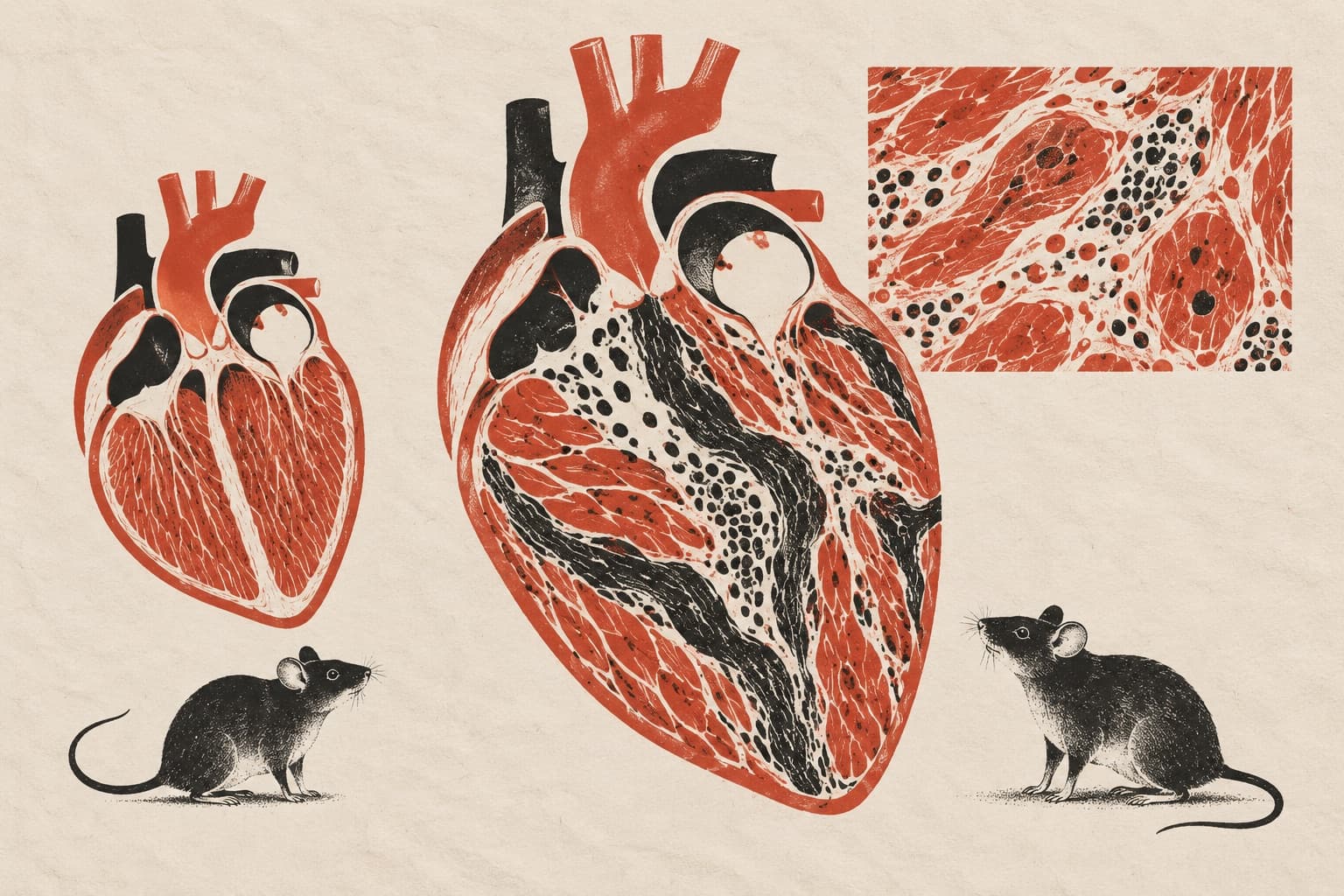
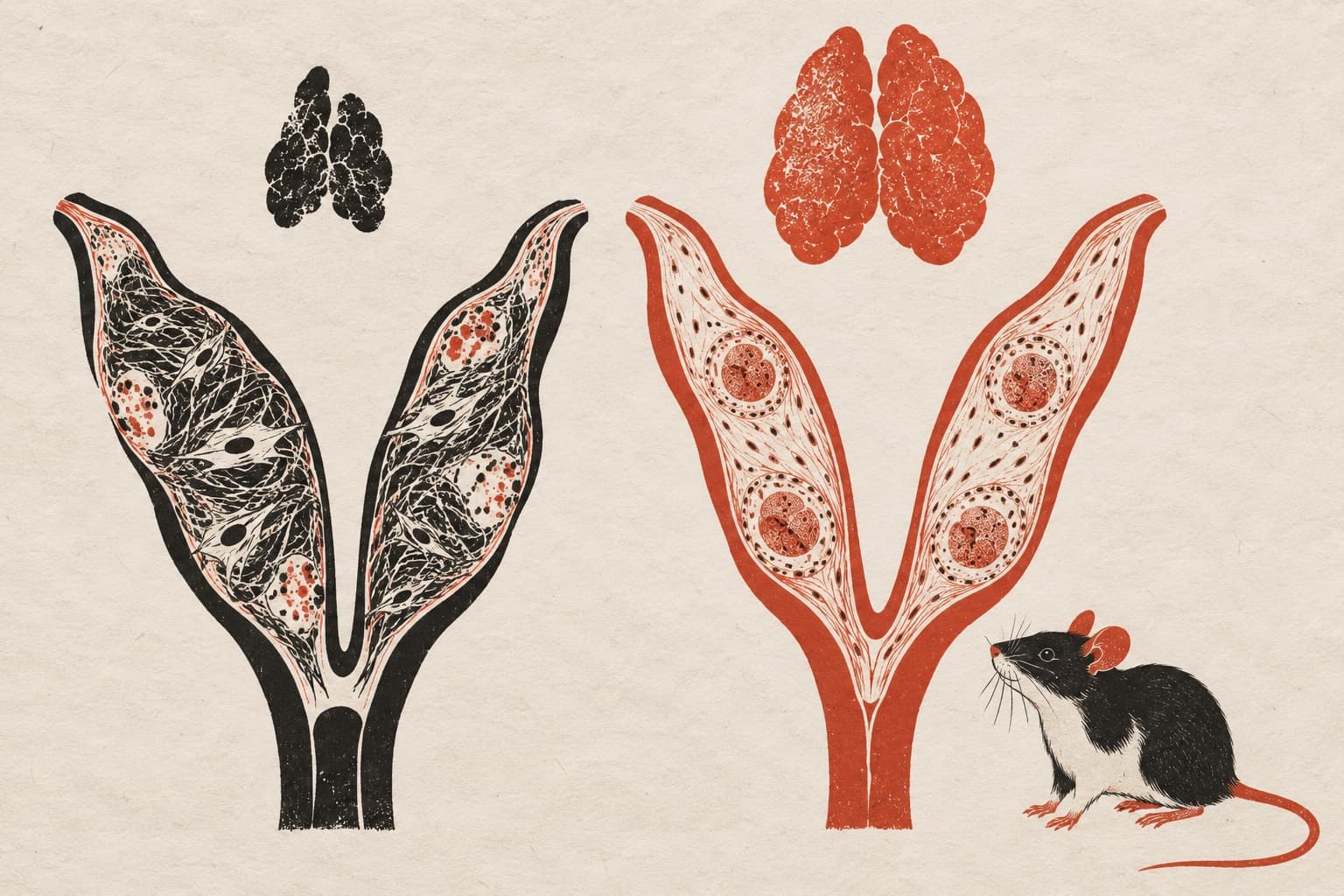
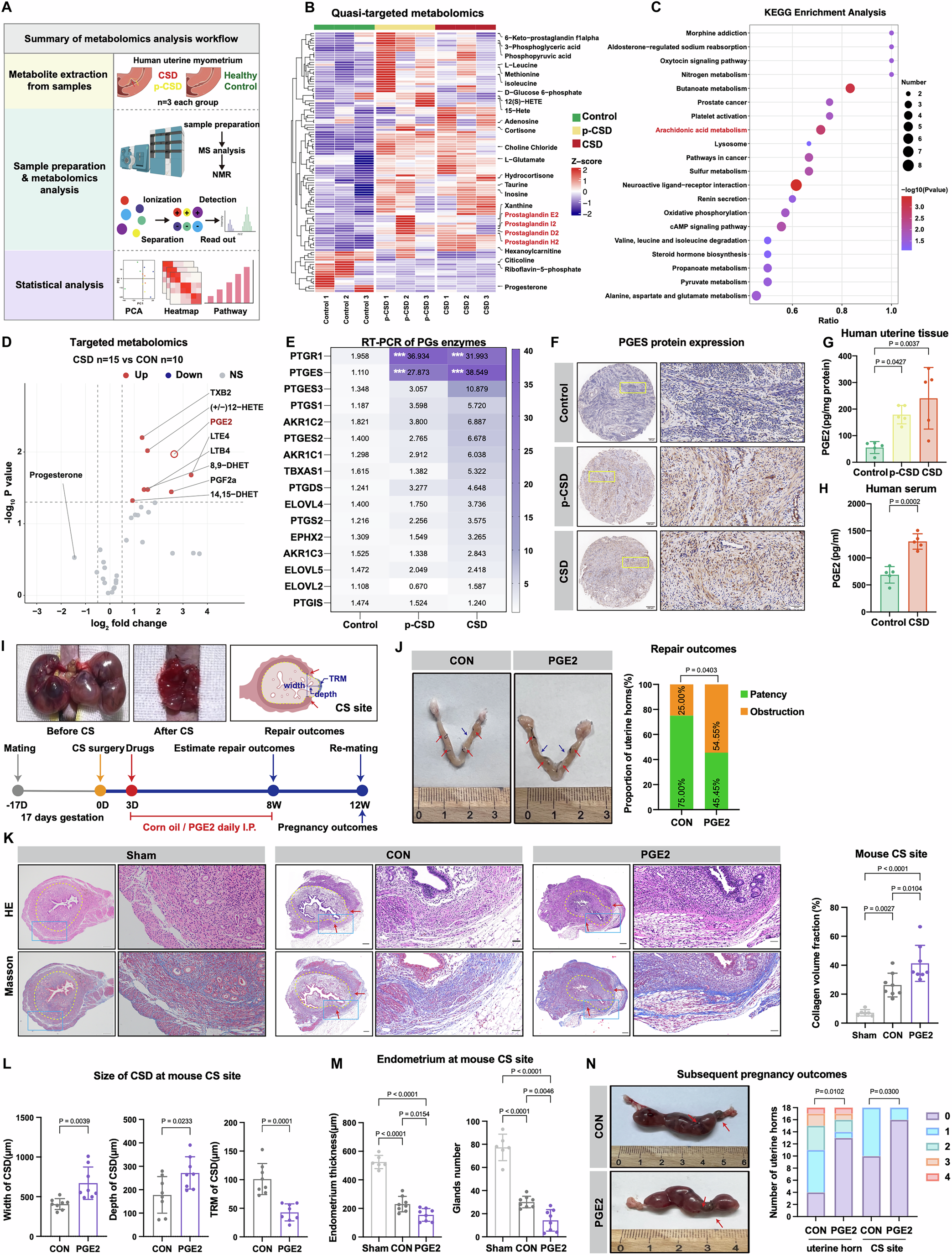
In a new mouse model of cesarean section scar defects, researchers investigated the mechanisms that disrupt uterine healing. The team combined metabolomics, transcriptomics, and functional assays to track scar formation. They found that increased activity of the PGES and prostaglandin E2 (PGE2) axis drives pathological tissue remodeling. High PGE2 levels trigger early senescence in macrophages. These senescent immune cells then relay pro-senescent signals to uterine fibroblasts through the IL-1β/IL-1R signaling pathway. This cellular relay prompts persistent fibroblast activation and progressive fibrosis, damaging the structure and function of the uterus. When investigators blocked the PGES/PGE2 pathway or applied anti-aging strategies in mice, fibrotic scarring decreased significantly. These interventions restored coordinated healing across both myometrial and endometrial layers of the uterus.
Why it matters
The study reveals how localized tissue injury can trigger a macrophage-to-fibroblast senescence cascade that fuels pathogenic fibrosis. It indicates that anti-senescence strategies may help treat wound-healing failures beyond general organismal aging.
Caveats
The research was conducted exclusively in mice and cell assays, so results may not translate directly to humans. Specific therapeutic compounds and clinical safety profiles were not evaluated in patient populations.
The paper
Show 9 more authors
Yizhi Wang, Yujing Qian, Rong Sheng, Danning Li, Jing Li, Xingchen Zhou, Zhiyuan Dai, Zhiyong Mao, Ziyi Li,Shanghai Jiao Tong University
EMBO Molecular Medicine · 2 Oct 2026