Intestinal tissue-resident memory T cells: Characteristics, spatial heterogeneity, age-related dynamics, and roles in disease regulation
Abstract
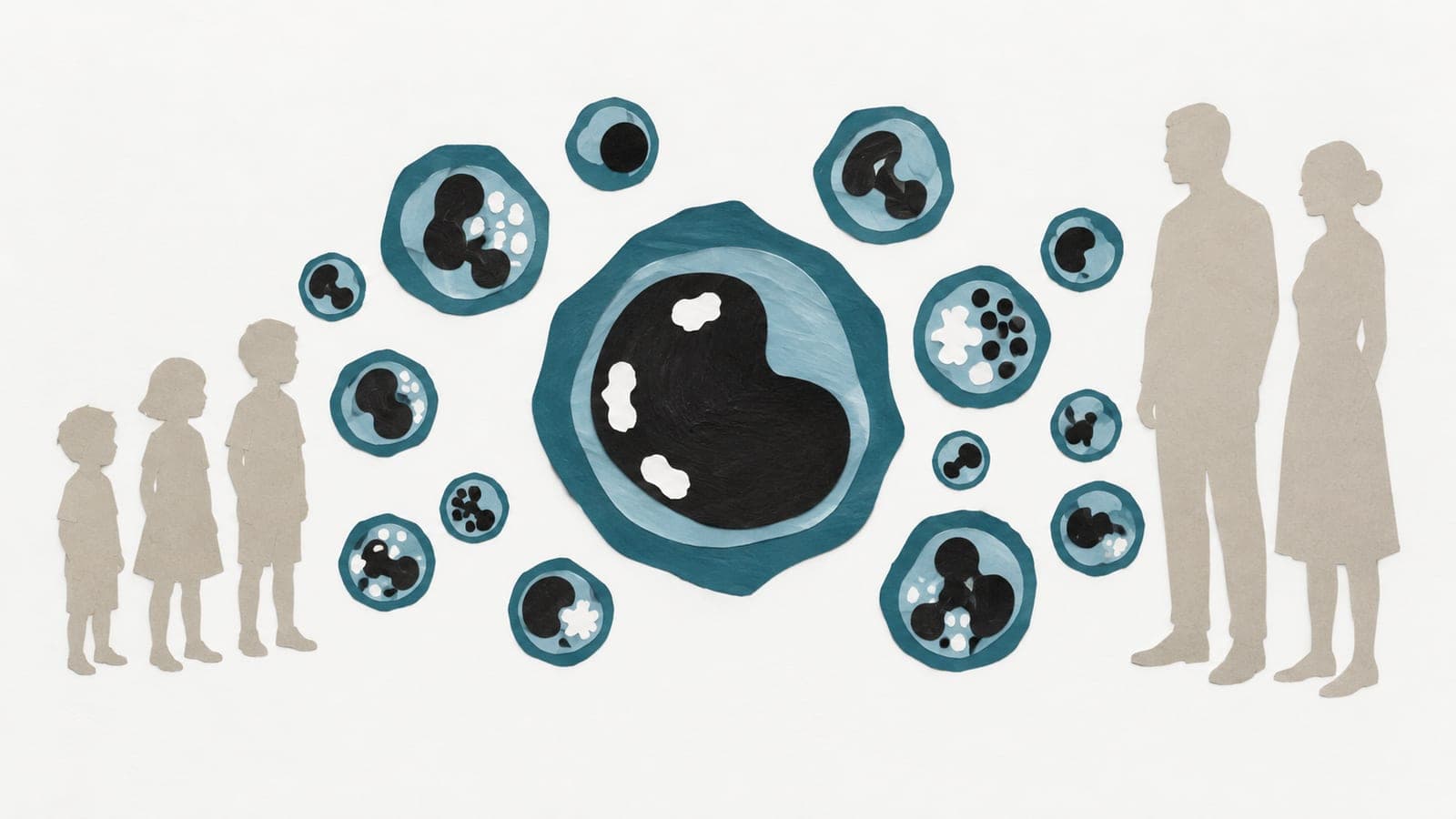
BACKGROUND: Tissue-resident memory T (TRM) cells are a distinct subset of memory T cells that persist in non-lymphoid tissues, providing localized and rapid immune responses to infection and malignancy. Unlike circulating memory T cells, TRM cells have unique homing and functional characteristics that are shaped by the tissue microenvironment. In the gut, TRM cells play a pivotal role in maintaining mucosal immunity, exhibiting phenotypic and functional heterogeneity in different intestinal compartments and in response to aging and pathological conditions. AIM OF REVIEW: This review aims to systematically examine the definition, spatial heterogeneity and functional roles of intestinal TRM (iTRM) cells. It highlights their contributions to physiological immunity, their involvement in pathological processes such as inflammatory bowel disease (IBD) and colorectal cancer (CRC), and their age-related dynamics. The review also explores emerging therapeutic implications of modulating iTRM cells for intestinal health and disease management. KEY SCIENTIFIC CONCEPTS OF REVIEW: iTRM cells are defined by surface markers like CD69 and CD103, transcriptional regulators such as Hobit, Runx3, Blimp-1, as well as cytokine signals including TGF-β, IFN-β, IL-12. They exhibit spatial and functional heterogeneity across intestinal layers (epithelium versus lamina propria) and regions (small intestine versus colon). In IBD, iTRM cells play a dual role, contributing to both inflammation and tissue repair, whereas in CRC, specific subsets of iTRM cells (e.g., CD8⁺ CD103⁺ CD39⁺) are associated with enhanced antitumor immunity. Aging impacts iTRM functionality, with shifts in the CD4⁺/CD8⁺ ratio and reduced cytokine production in elderly individuals. Insights into the metabolic, transcriptional, and environmental regulation of iTRM cells provide avenues for targeted therapies in intestinal diseases, cancer immunotherapy, and interventions to delay intestinal aging.
The paper
Sir Run Run Shaw Hospital
Journal of Advanced Research, 15 Mar 2025