Effect of gut symbiotic bacteria Akkermansia muciniphila on aging-related obesity
Abstract
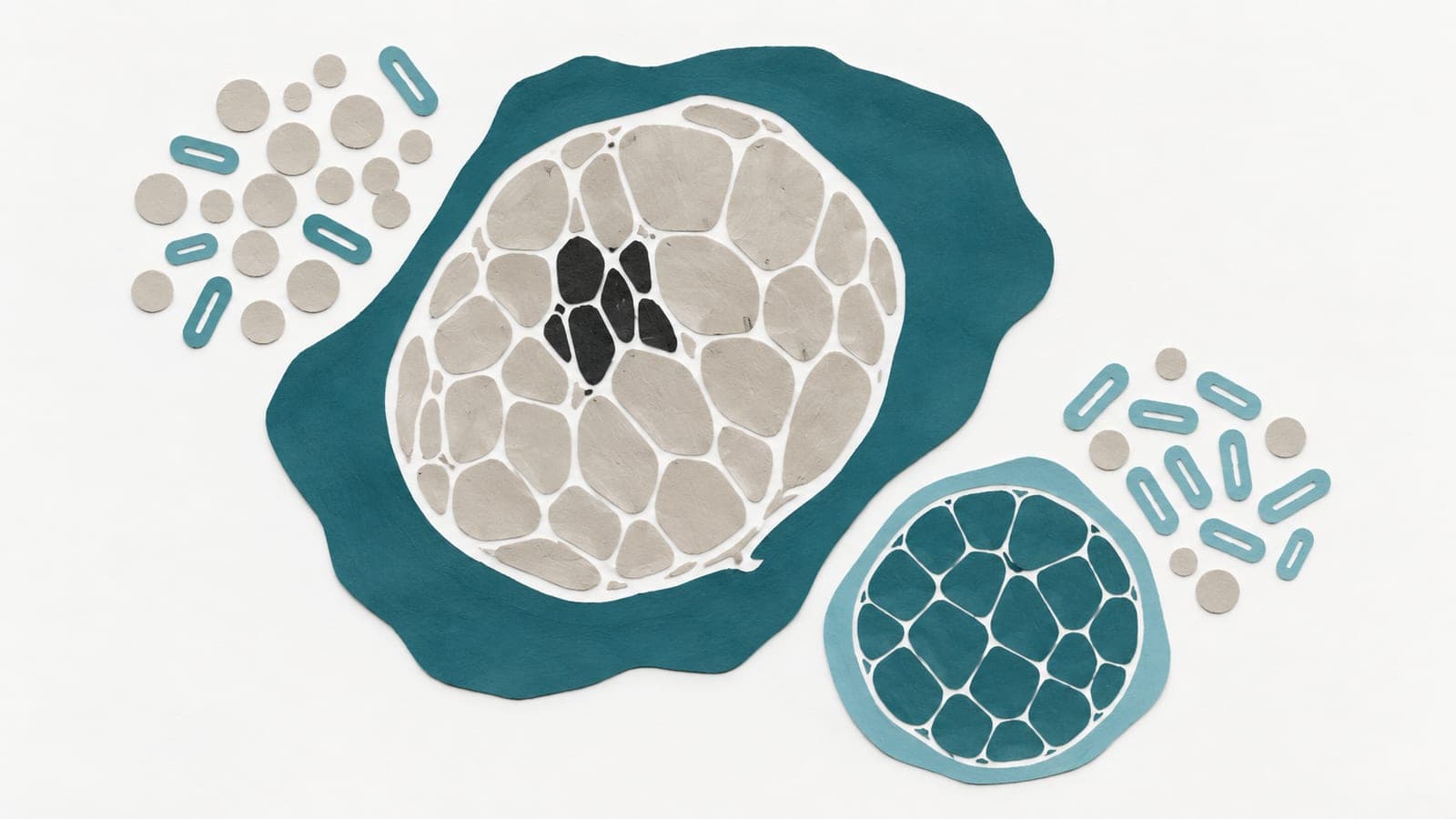
Recent studies have shown that Akkermansia muciniphila may play a role in regulating lipid metabolism and immune response in diet-induced obese mice. However, in contrast to diet-induced obesity, aging-related obesity is characterized by a gradual increase in body fat proportion over time. This type of obesity is thought to be caused by a combination of factors, including slow metabolism, unhealthy lifestyle choices, and chronic inflammation. Unlike diet-induced obesity, which can occur relatively quickly, aging-related obesity is a long-term and slow process. In this study, we administered Akkermansia muciniphila to aged mice and collected fecal samples to analyze the targeted metabolism of short chain fatty acids (SCFAs). The mice were then euthanized and their abdominal fat was weighed. hematoxylin-eosin (H&E) staining was performed to examine tissue samples. quantitative polymerase chain reaction (qPCR) was used to detect the expression of IL-6 and TNF-α. Flow cytometry was used to examine the proportion of lymphocytes. Enzyme-linked immunosorbent assays (ELISAs) kits were used to measure the levels of inflammatory factors and aging-related indicators. The results indicate that following intragastric administration, the body weight of the aged mice decreased, along with a decrease in abdominal fat and a reduction in the size of fat cells. Additionally, there was a decrease in the mRNA level of inflammatory factors, a decrease in the total number of immune cells in abdominal fat, and a decrease in the proportion of CD8⁺ CD4⁻cells. In addition, our findings showed that serum levels of IL-6, TNF-α, and lipopolysaccharide (LPS) were reduced, and catalase (CAT) and thyroid-stimulating hormone (TSH) levels were comparable to those of young mice. The findings revealed that Akkermansia muciniphila has the potential to enhance immune regulation in aged mice, alleviate persistent inflammation, and decrease obesity in this aged mice.
The paper
Huizhou First Hospital
Biochemical and Biophysical Research Communications, 8 Mar 2025