Yeast cells experience chronological life span extension under prolonged glucose starvation
Abstract
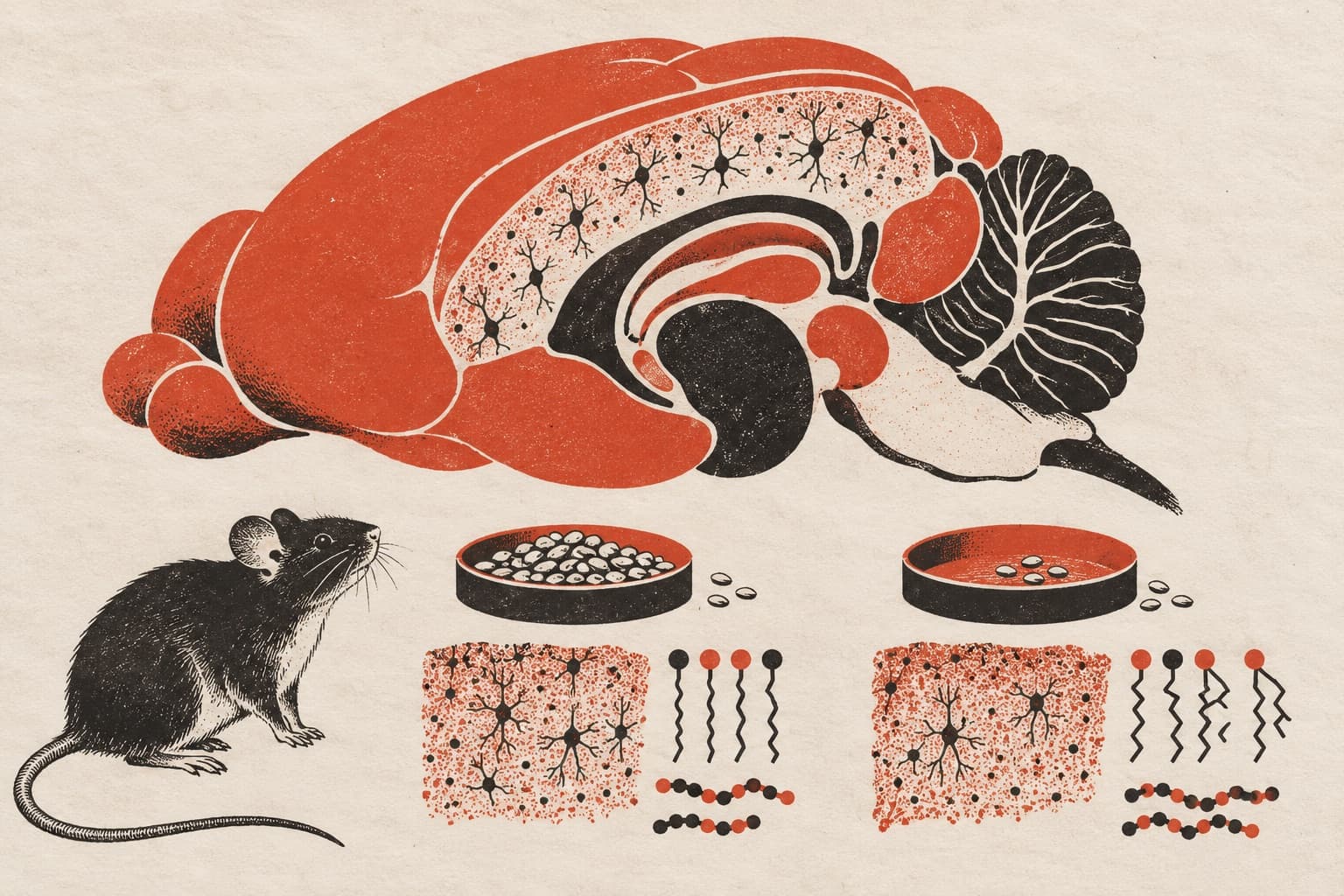
Budding yeast, Saccharomyces cerevisiae, is an ideal model organism for genetic research due to its similarity in life cycle and cellular structure to higher eukaryotes as well as its ease of cultivation and manipulation in the laboratory. Yeast cells benefit from being cultured in calorie-restricted media, which can be achieved by reducing glucose concentration from 2 % to 0.5 %. Cell metabolism depends on glucose and therefore, affects the physiology of the cell. This study aimed to investigate the effects of long-term glucose starvation on the lifespan of yeast cells by culturing in both standard and glucose-starved conditions. In this investigation yeast cells (BY4743 strain) were cultured in glucose-restricted YPD media (0.5 percent dextrose) to assess lifespan, growth-proliferation, autophagy, apoptosis, mtDNA abundance. The findings revealed that prolonged glucose restriction significantly extended chronological lifespan in yeast (p < 0.05). In order to decipher how starved yeast live chronologically longer, we tested mitochondrial association and found that calorie deprivation lowered the rate of mtDNA spontaneous mutation and increased mtDNA abundance which is a suggestive sign of mitobiogenesis. Furthermore, cells cultured on glucose-restricted media led to more autophagosome formation but less cell death. These results suggested that glucose restriction can enhance lifespan by improving overall cellular conditions. These findings may serve as a foundation for future research in aging, cancer and diabetes.
The paper
University of Dhaka
Heliyon, 20 Feb 2025
doi.org/10.1016/j.heliyon.2025.e42898PubMed 40070955
Corrected, 1 Oct 2025