Liraglutide improves senescence and ameliorating diabetic sarcopenia via the YAP-TAZ pathway
Abstract
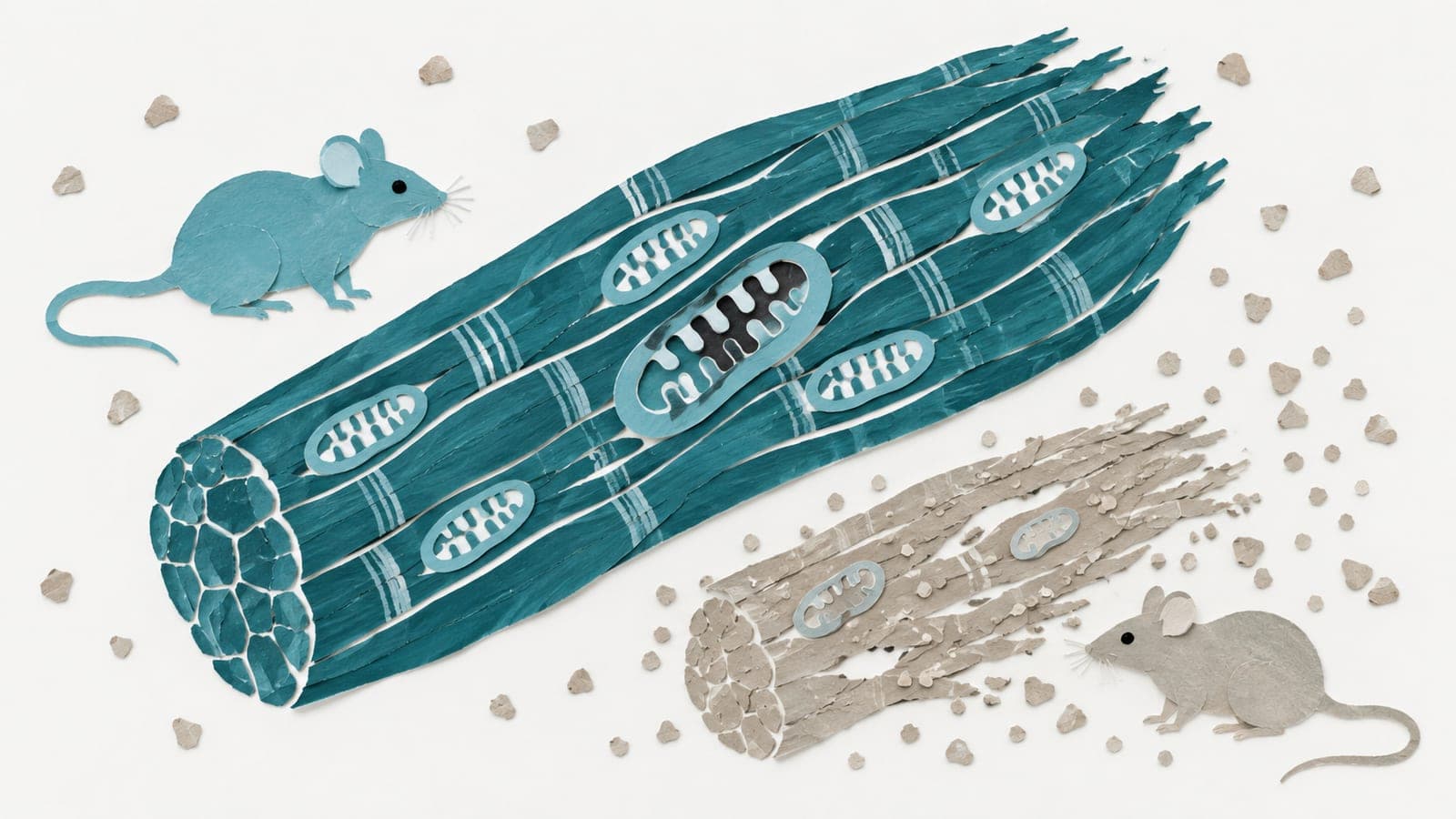
OBJECTIVE: Beyond its established glucose-lowering and weight-reducing benefits, glucagon-like peptide-1 receptor agonists (GLP-1RAs) such as liraglutide may also mitigate sarcopenia. This study investigates the effects of liraglutide on diabetic sarcopenia and its underlying mechanisms. METHODS: A type 2 diabetic SD rat model was induced using a high-fat, high-sugar diet supplemented with a low dose of streptozotocin. Comparisons were made among control (Con), diabetic (DM), and liraglutide-treated (Li) groups for gastrocnemius muscle wet weight and length, histology (HE staining), immunofluorescence for muscle fiber typing, and Western blotting for aging-related proteins and YAP/TAZ pathway components. Concurrently, C2C12 myoblasts were differentiated into myotubes, treated with 60 mM glucose to model diabetic conditions, and assessed for morphological changes, senescence (SA-β-gal staining), and protein expression dynamics. RESULTS: Diabetic rats displayed significant reductions in muscle mass, length, and cross-sectional area, along with disorganized fiber architecture, all of which were improved by liraglutide. In vitro, C2C12 myotubes showed accelerated aging and atrophy under high-glucose conditions, which were significantly reduced by liraglutide. Analysis revealed increased expression of aging markers P53 and P21 and decreased YAP/TAZ/TEAD and Cyclin D1 levels in diabetic conditions, which were reversed following liraglutide treatment. The inhibition of YAP significantly negated the protective effects of liraglutide. CONCLUSION: High glucose promotes muscle cell aging and sarcopenia, processes that liraglutide can attenuate by modulating the YAP/TAZ signaling pathway. This study underscores liraglutide's potential to alleviate muscle degeneration in diabetic sarcopenia through its regulatory impact on critical aging pathways.
The paper
Hebei Medical University
Journal of Diabetes and Its Complications, 19 Feb 2025