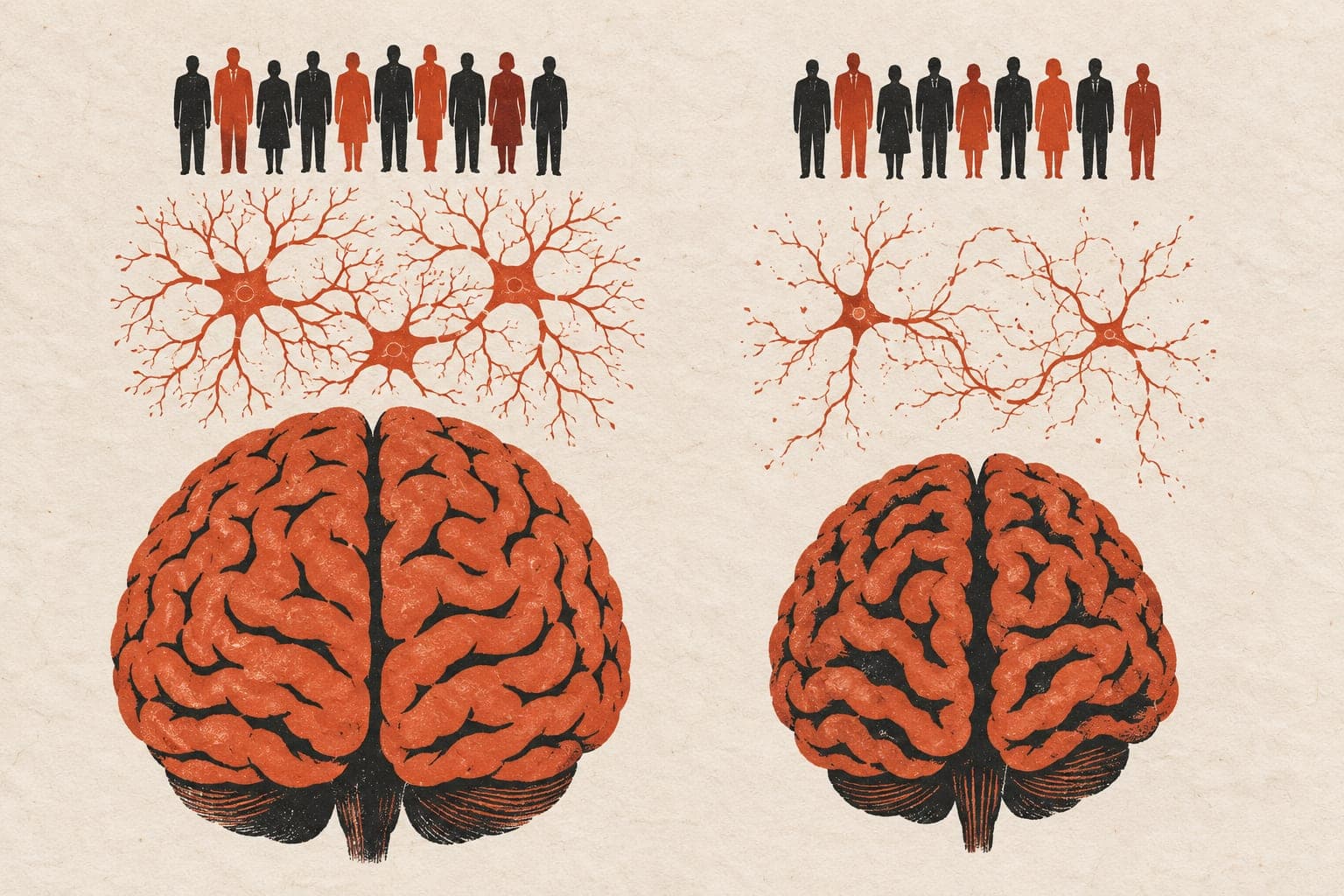
Diabetes drug class linked to slightly less frailty progression
Frailty scores worsened slightly less with one diabetes drug class than another over roughly 27 months, with an estimated difference in change of −0.0010.
Diabetes, Obesity & Metabolism
Adults with diabetes formed five matched groups in a retrospective observational study using Veterans Health records from 2006–2021. Researchers compared people starting glucagon-like peptide-1 receptor agonists, a class of diabetes drugs, with those starting dipeptidyl peptidase-4 inhibitors, another diabetes drug class. The main comparison included 73,592 pairs matched on recorded characteristics. Each participant had at least 90 days of therapy.
Over approximately 27 months on average, the first drug class was associated with slightly less worsening of the frailty index, a score of accumulated health problems. It was also linked to a lower rate of falls. Findings were generally similar across groups with different initial levels of frailty, but the associations were weaker in the group with severe frailty.
Why it matters
Frailty is a concern for healthy aging, making it important to understand how diabetes drug choices relate to changes in frailty and falls.
Caveats
The observational design cannot show that the drugs caused the differences. Matching recorded characteristics cannot rule out unmeasured differences between the groups.
The paper
Association of GLP1-Receptor Agonist Use With Frailty and Falls in Adults With Type 2 Diabetes
UT Southwestern Medical Center · Education Services
Diabetes, Obesity & Metabolism · 7 Oct 2026