Age-Dependent Bi-Phasic Dynamics of Ly49⁺CD8⁺ Regulatory T Cell Population
Abstract
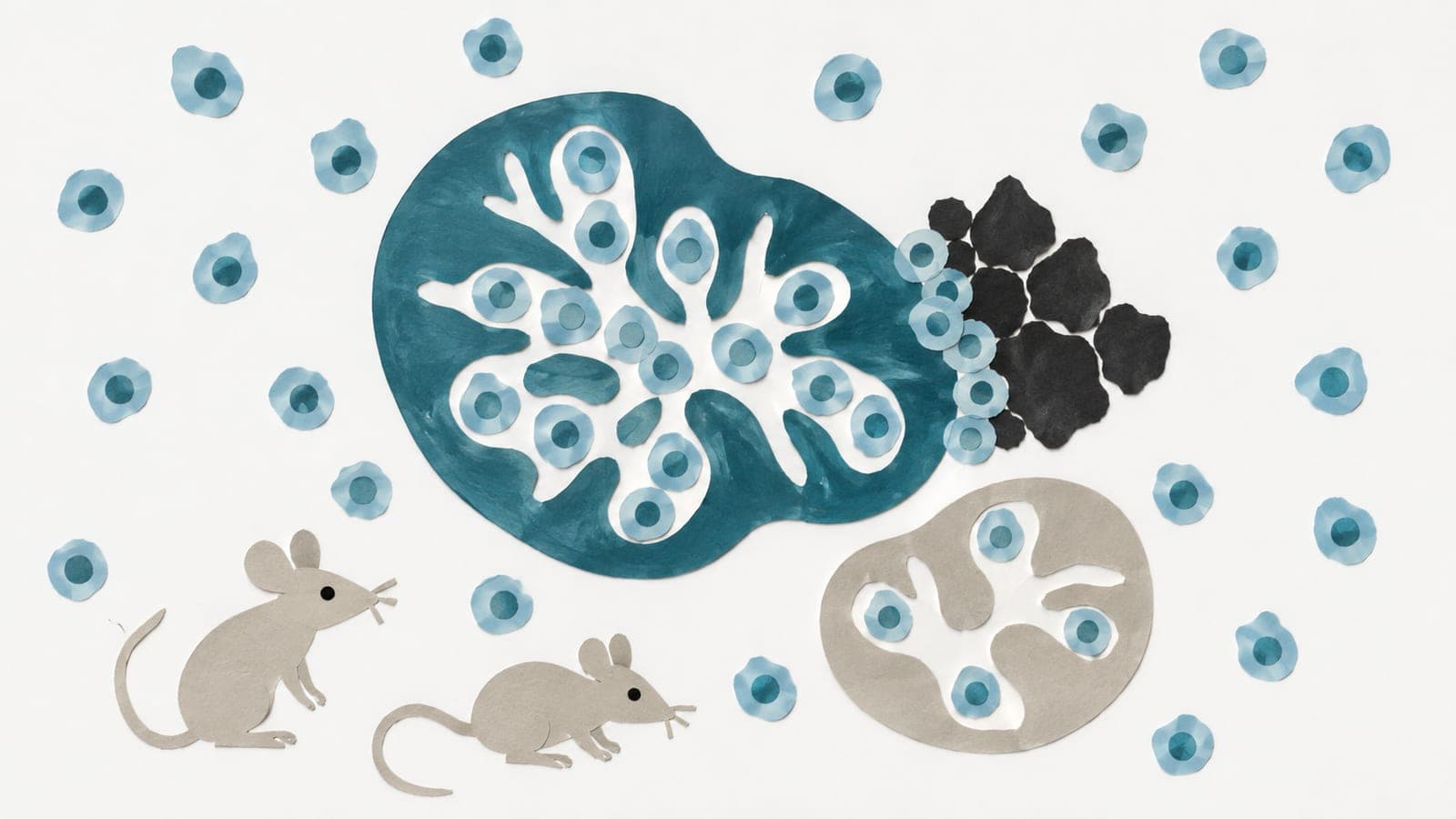
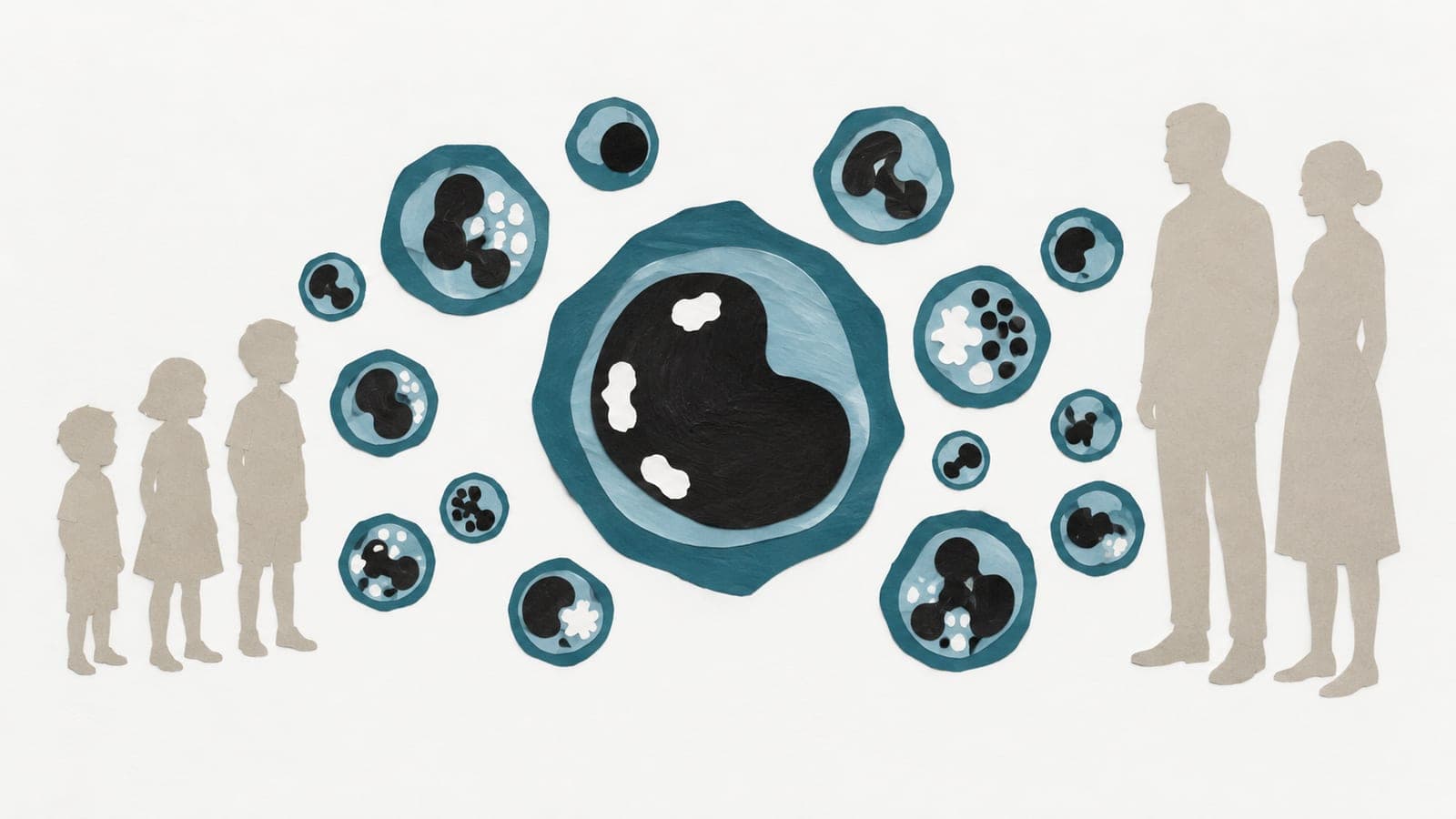
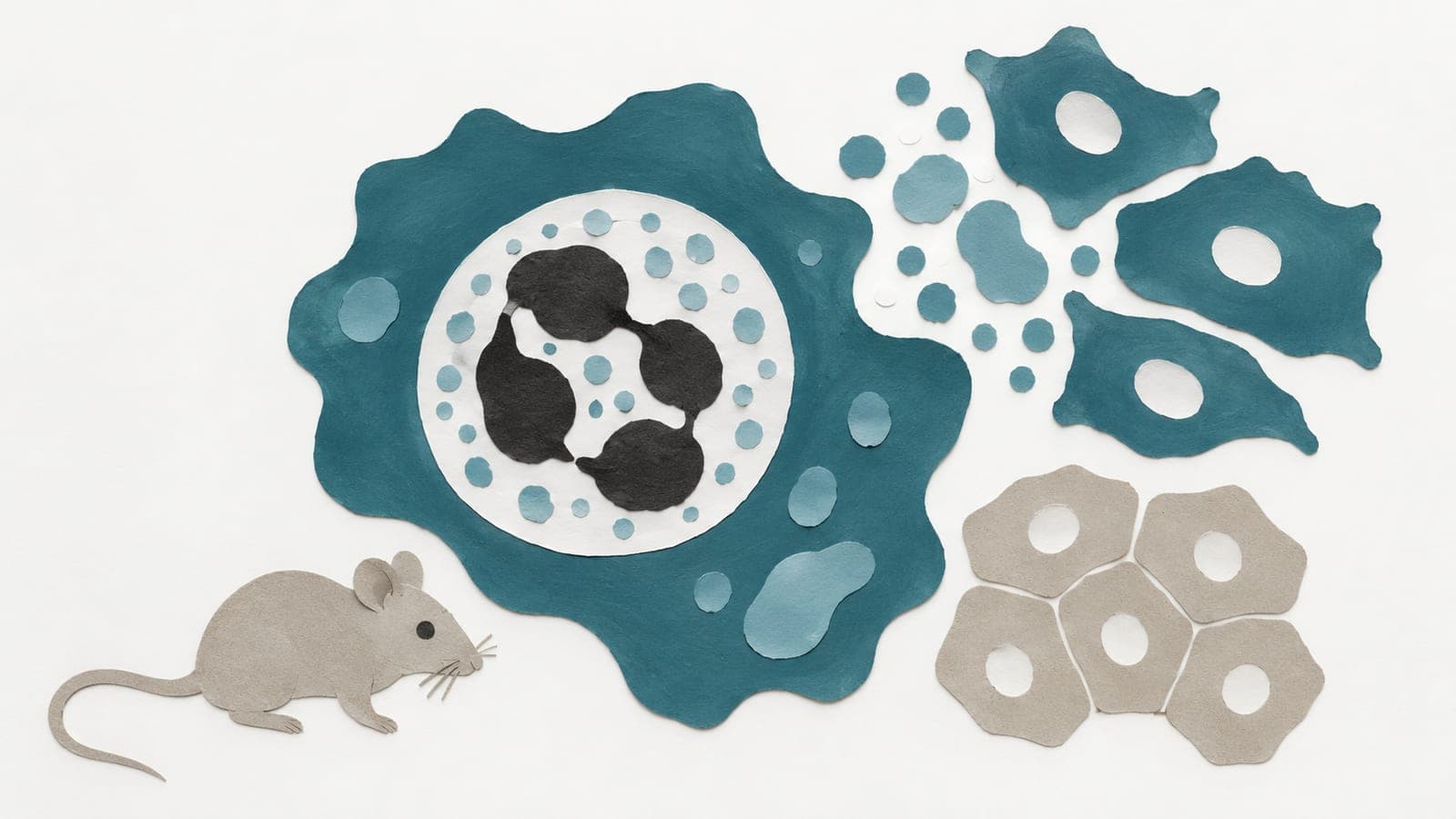
Aging is tightly associated with reduced immune protection but increased risk of autoimmunity and inflammatory conditions. Regulatory T cells are one of the key cells to maintaining immune homeostasis. The age-dependent changes in CD4⁺Foxp3⁺ regulatory T cells (Tregs) have been well documented. However, the nonredundant Foxp3⁻CD8⁺ Tregs were never examined in the context of aging. This study first established clear distinctions between phenotypically overlapping CD8⁺ Tregs and virtual memory T cells. Then, we elucidated the dynamics of CD8⁺ Tregs across the lifespan in mice and further extended our investigation to human peripheral blood mononuclear cells (PBMCs). In mice, we discovered a bi-phasic dynamic shift in the frequency of CD8⁺CD44hiCD122hiLy49⁺ Tregs, with a steady increase in young adults and a notable peak in middle age followed by a decline in older mice. Transcriptomic analysis revealed that mouse CD8⁺ Tregs upregulated a selected set of natural killer (NK) cell-associated genes, including NKG2D, with age. Importantly, NKG2D might negatively regulate CD8⁺ Tregs. Additionally, by analyzing a scRNA-seq dataset of human PBMC, we found a distinct CD8⁺ Treg-like subset (Cluster 10) with comparable age-dependent frequency changes and gene expression, suggesting a conserved aging pattern in CD8⁺ Treg across mice and humans. In summary, our findings highlight the importance of CD8⁺ Tregs in immune regulation and aging.
The paper
The University of Texas at San Antonio Health Science Center
Aging Cell, 18 Dec 2024