Glis1 inhibits RTEC cellular senescence and renal fibrosis by downregulating histone lactylation in DKD
Abstract
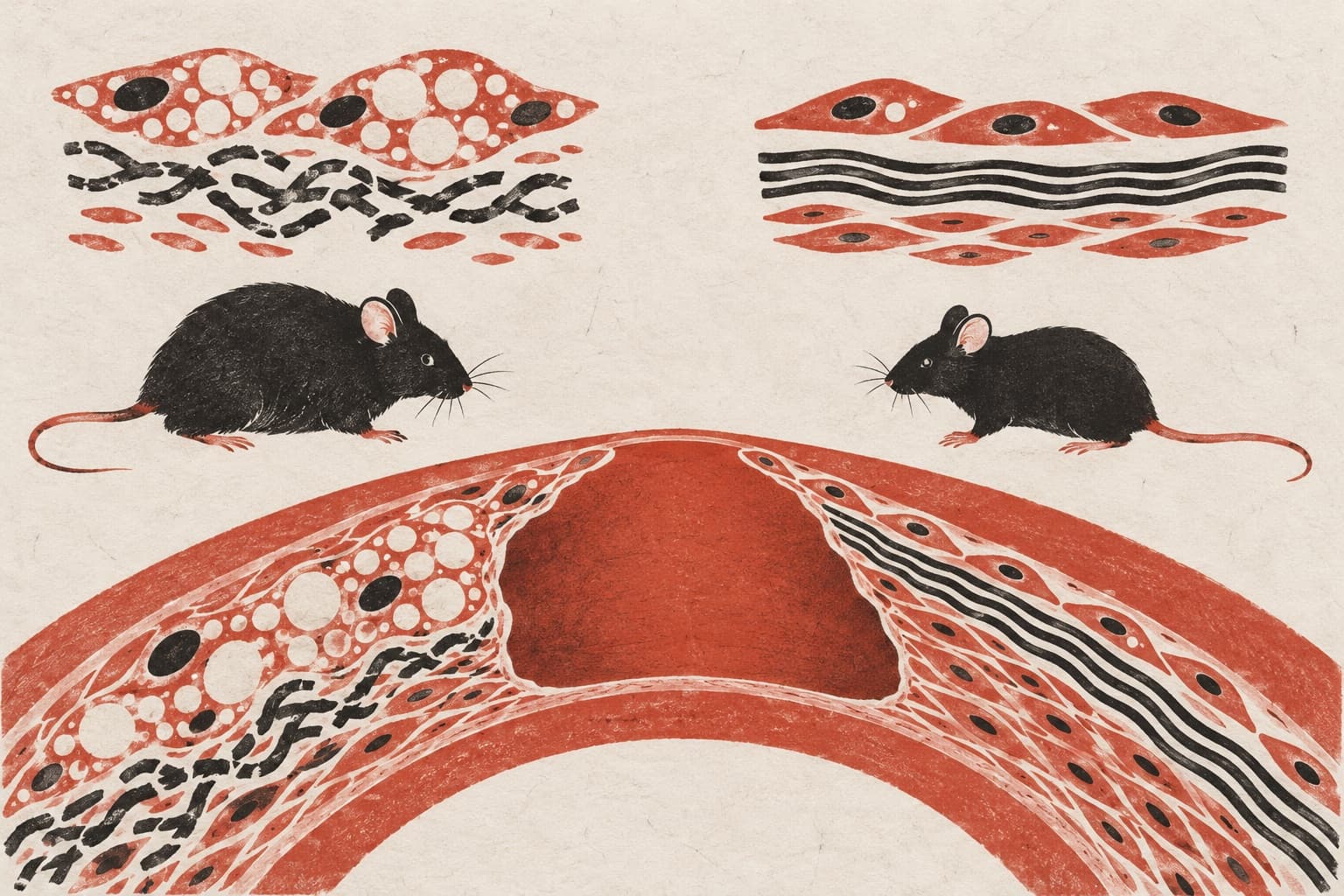
BACKGROUND: Accelerated senescence of renal tubular epithelial cells (RTEC) is critical in the progression of diabetic kidney disease (DKD). GLIS family zinc finger 1 (Glis1) alleviates age-related renal fibrosis in naturally aged mice. However, the role and associated mechanism of Glis1 in accelerated senescence of RTEC and the development of DKD remain unclear. METHODS: Glis1 expression was examined in the renal tubules of patients with DKD and STZ-induced DKD mice. Glis1-CKO and Glis1-overexpression mice were generated to assess the effect of Glis1 on renal dysfunction and senescence in RTEC. The interplay between Glis1 and histone lactylation during cellular senescence was elucidated in vivo and in vitro. RESULTS: Glis1 expression was significantly decreased in RTEC of DKD and DKD mice. Glis1 overexpression alleviated renal dysfunction and accelerated RTEC senescence in DKD mice. Histone lactylation levels significantly increased in the kidneys of mice with DKD. Lactylation enhancers, including rotenone and nala, diminished the protective effects of Glis1 against cellular senescence, whereas treatment with sodium dichloroacetate, a lactylation inhibitor, enhanced Glis1's anti-senescence capabilities. Protein-protein interaction tools, AlphaFold2 and AutoDock, indicated that Glis1 might directly bind to the lactyltransferase KAT5 with multiple interaction sites. In vitro, the interaction between KAT5 and histone H3 was enhanced under high glucose conditions. However, Glis1 overexpression led to a significant reduction in the binding affinity between histones and KAT5, which could decrease lactylation levels. CONCLUSIONS: Glis1 inhibits tubular accelerated senescence by downregulating histone lactylation and alleviating kidney fibrosis during DKD progression.