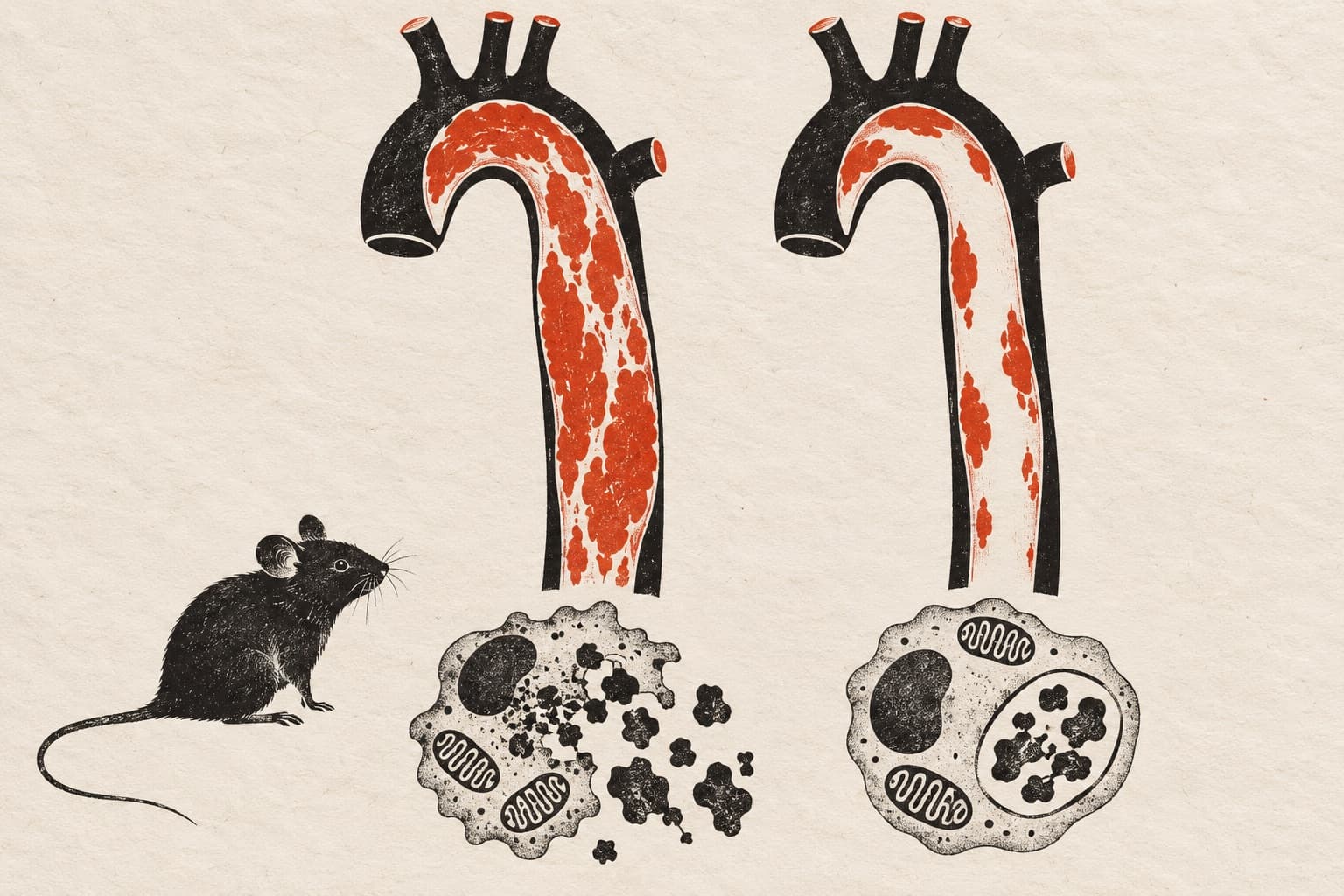
Transient rapamycin treatment during developmental stage extends lifespan in Mus musculus and Drosophila melanogaster
Abstract
Lifespan is determined by complex and tangled mechanisms that are largely unknown. The early postnatal stage has been proposed to play a role in lifespan, but its contribution is still controversial. Here, we show that a short rapamycin treatment during early life can prolong lifespan in Mus musculus and Drosophila melanogaster. Notably, the same treatment at later time points has no effect on lifespan, suggesting that a specific time window is involved in lifespan regulation. We also find that sulfotransferases are upregulated during early rapamycin treatment both in newborn mice and in Drosophila larvae, and transient dST1 overexpression in Drosophila larvae extends lifespan. Our findings unveil a novel link between early-life treatments and long-term effects on lifespan.
From the paper
- Events by group
Combined data from both sexes showed a 9.6% increase in median lifespan in P4‐P30 rapamycin‐treated mice compared with control mice (treated with ethanol) and 9.1% increase compared with P30‐P60 rapamycin‐treated mice.
Quoted word for word from the full text on PubMed Central.
The paper
University of Trento
EMBO Reports, 7 Jul 2022, Open access