The early-life stress induced by oxytocin inhibition in p53 knockout mouse dams increases adulthood tumorigenesis in first and second generations
Abstract
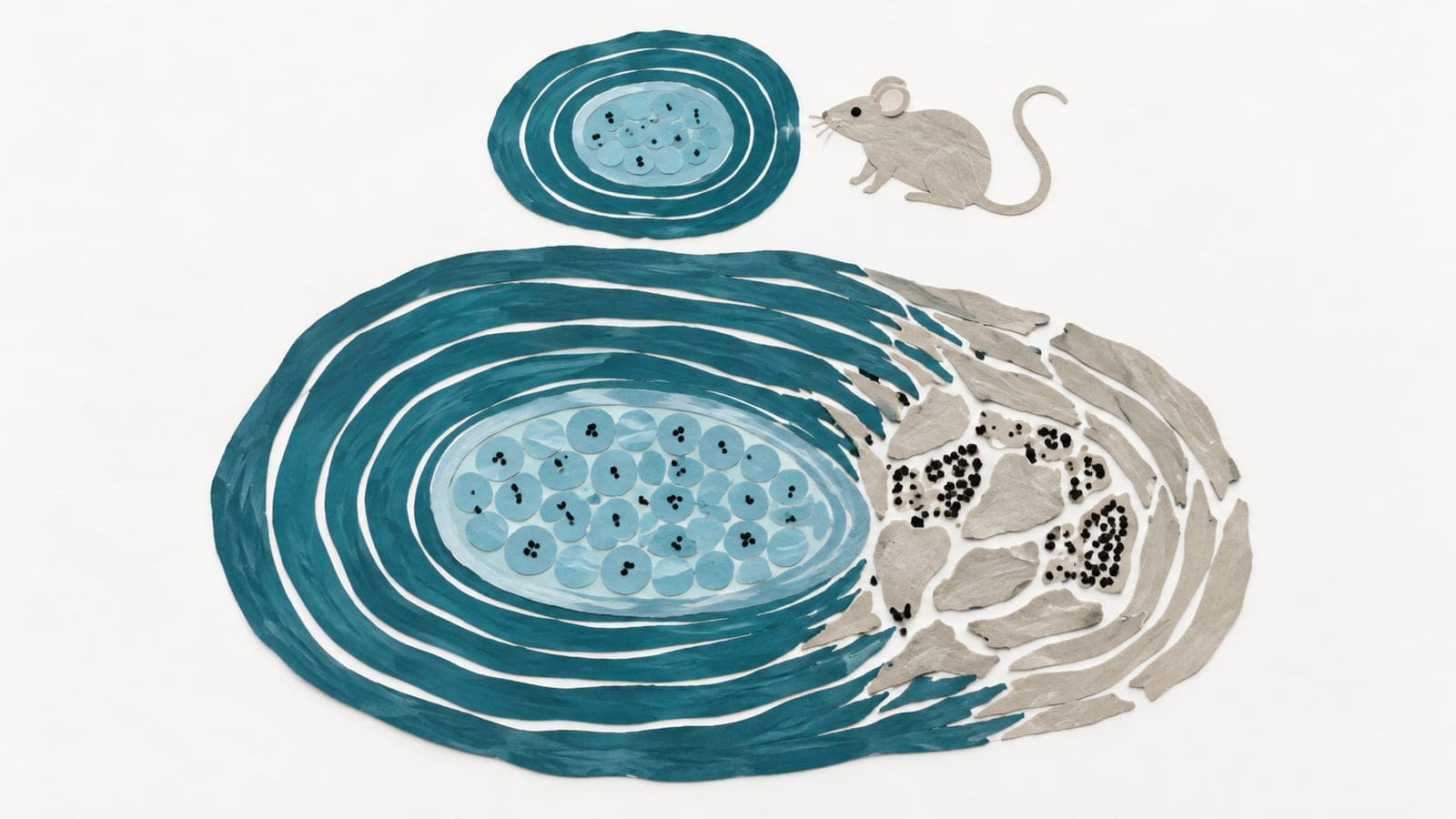
BACKGROUND: Early-life stress due to poor parental care has been suggested to increase cancer risk, though, so far, no experimental evidence established a link between defective parental behavior and spontaneous tumorigenesis in progeny. Essential maternal behavior is regulated, in particular, by the oxytocin (OT) hormonal circuit, which in turn responds to stimuli from the offspring and impinges on the central nervous systems. METHODS: By providing L-368,899 OT receptor (OTR) inhibitor to lactating mothers, we set up a model of defective maternal care in p53 knockout mice. RESULTS: The progeny of these dams showed, later in life, higher cortisol levels, shortened life span and increased tumorigenic potential of bone marrow cells (BMC). Notably, these phenotypes were transmitted to the following generation. CONCLUSIONS: Therefore, the inhibition of OT function in mothers is a novel paradigm of early-life stress that is inherited across generations and increases cancer risk in tumor-prone mice.
From the paper
- Events by group
Interestingly, the frequency of segregation of the p53 null allele in the F1 offspring mice resulted 27% p53−/− in the control and 22% in the OTRI group.
Quoted word for word from the full text on PubMed Central.
The paper
European Institute of Oncology; University of Padua
Cancer Reports, 11 May 2022, Open access