Age-related inflammation markers differed by sex in adults
In a cross-sectional study, an immune activation score placed the transition threshold at approximately age 35 in women and 26 in men.
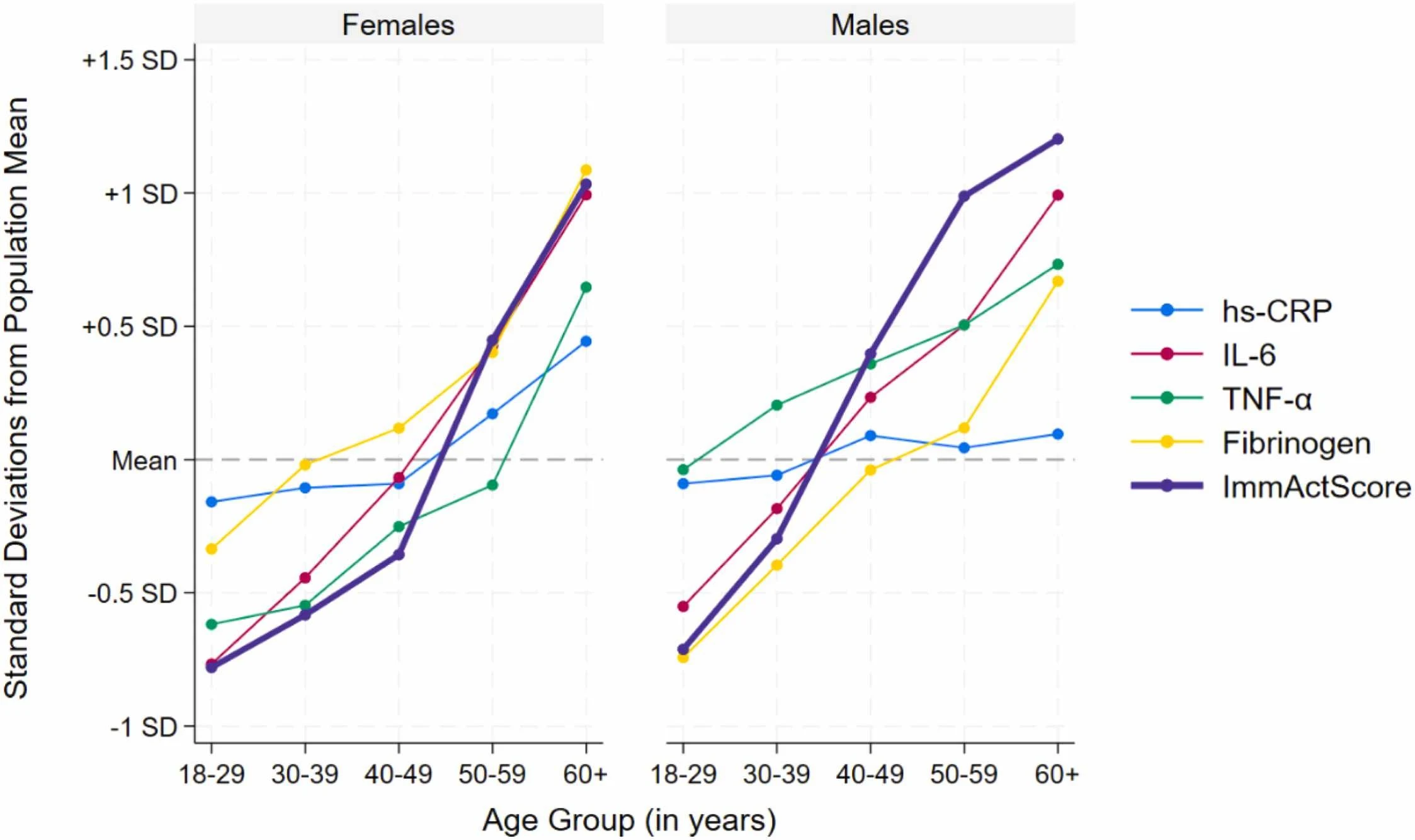
A cross-sectional observational analysis examined 1,825 community-dwelling adults aged 18–89 without cancer, cardiovascular disease or chronic inflammatory disease from the ATTICA study. Researchers measured four blood markers of inflammation and combined three into an immune activation score.
Levels of two proteins linked to inflammation, interleukin-6 and fibrinogen, were higher at older ages in both sexes. The combined score followed an S-shaped relationship with age, with patterns differing between men and women. Comparisons across age groups placed the score-based transition to immune activation at approximately age 35 in women and 26 in men.
Why it matters
The authors suggested that recognising age-related immune activation early may offer opportunities to prevent chronic diseases and support healthy longevity.
Caveats
The study compared different age groups rather than following individuals, and the transition reflected a biomarker score, not disease onset. The findings may not apply to people with the diseases the study excluded.
The paper
Age-related trends and sexual dimorphism in inflammaging: Insights from the ATTICA study
Harokopio University; National and Kapodistrian University of Athens
Mechanisms of Ageing and Development, 15 Oct 2026