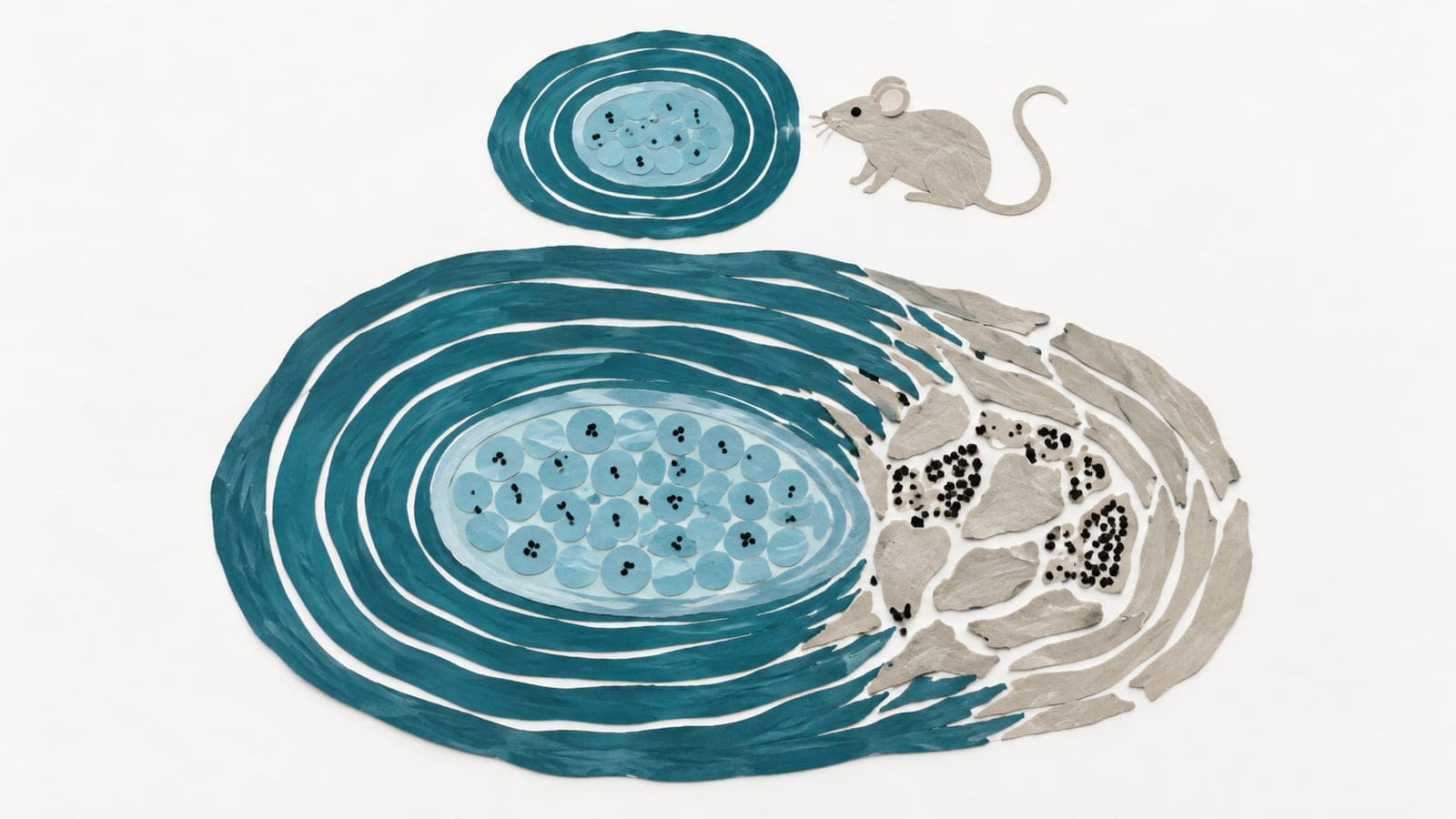
Polμ deficiency induces moderate shortening of P53-/- mouse lifespan and modifies tumor spectrum
Abstract
Non-homologous end joining (NHEJ) is the main mechanism for double strand break (DSB) DNA repair. The error-prone DNA polymerase mu (Polμ) is involved in immunoglobulin variable region rearrangement and in general, NHEJ in non-lymphoid cells. Deletion of NHEJ factors in P53-/- mice, which are highly prone to development of T cell lymphoma, generally increases cancer incidence and shifts the tumor spectrum towards aggressive pro-B lymphoma. In contrast, Polμ deletion increased sarcoma incidence, proportionally reducing pro-B lymphoma development on the P53-deficient background. Array comparative genomic hybridization (aCGH) analyses showed DNA copy number alterations in both P53-/- and Polμ-/-P53-/- lymphomas. Our results also indicate that the increase in sarcoma incidence in Polμ-/-P53-/- mice could be associated with Cdk4 and Kub3 amplification and overexpression. These results identify a role for Polμ in the prevention of sarcomagenesis on a murine P53-deficient background, in contrast to most other NHEJ factors.
The paper
Consejo Superior de Investigaciones Científicas
DNA Repair, 10 Apr 2017