How longevity research can lead to therapies for Alzheimer's disease: The rapamycin story
Abstract
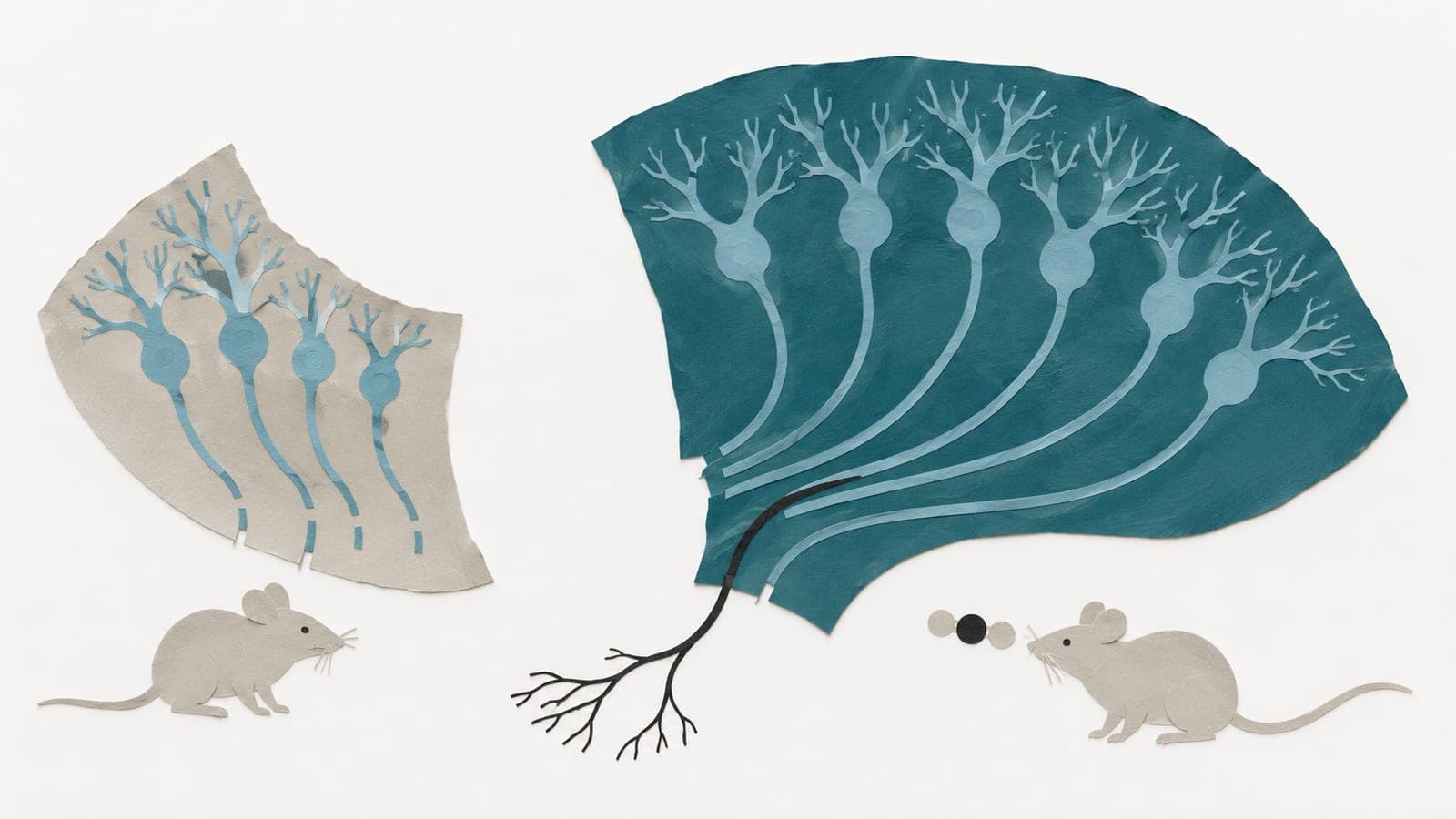
The discovery that rapamycin increases lifespan in mice and restores/delays many aging phenotypes has led to the speculation that rapamycin has 'anti-aging' properties. The major question discussed in this review is whether a manipulation that has anti-aging properties can alter the onset and/or progression of Alzheimer's disease, a disease in which age is the major risk factor. Rapamycin has been shown to prevent (and possibly restore in some cases) the deficit in memory observed in the mouse model of Alzheimer's disease (AD-Tg) as well as reduce Aβ and tau aggregation, restore cerebral blood flow and vascularization, and reduce microglia activation. All of these parameters are widely recognized as symptoms central to the development of AD. Furthermore, rapamycin has also been shown to improve memory and reduce anxiety and depression in several other mouse models that show cognitive deficits as well as in 'normal' mice. The current research shows the feasibility of using pharmacological agents that increase lifespan, such as those identified by the National Institute on Aging Intervention Testing Program, to treat Alzheimer's disease.
The paper
Oklahoma City VA Medical Center; Banner Sun Health Research Institute
Experimental Gerontology, 3 Dec 2014, Open access