Breathing at birth reduces a growth signal in mice
Mouse experiments traced the decline mainly to carbon dioxide exhalation; inhaling carbon dioxide in adulthood enabled retinal nerve fibres to regrow after injury.
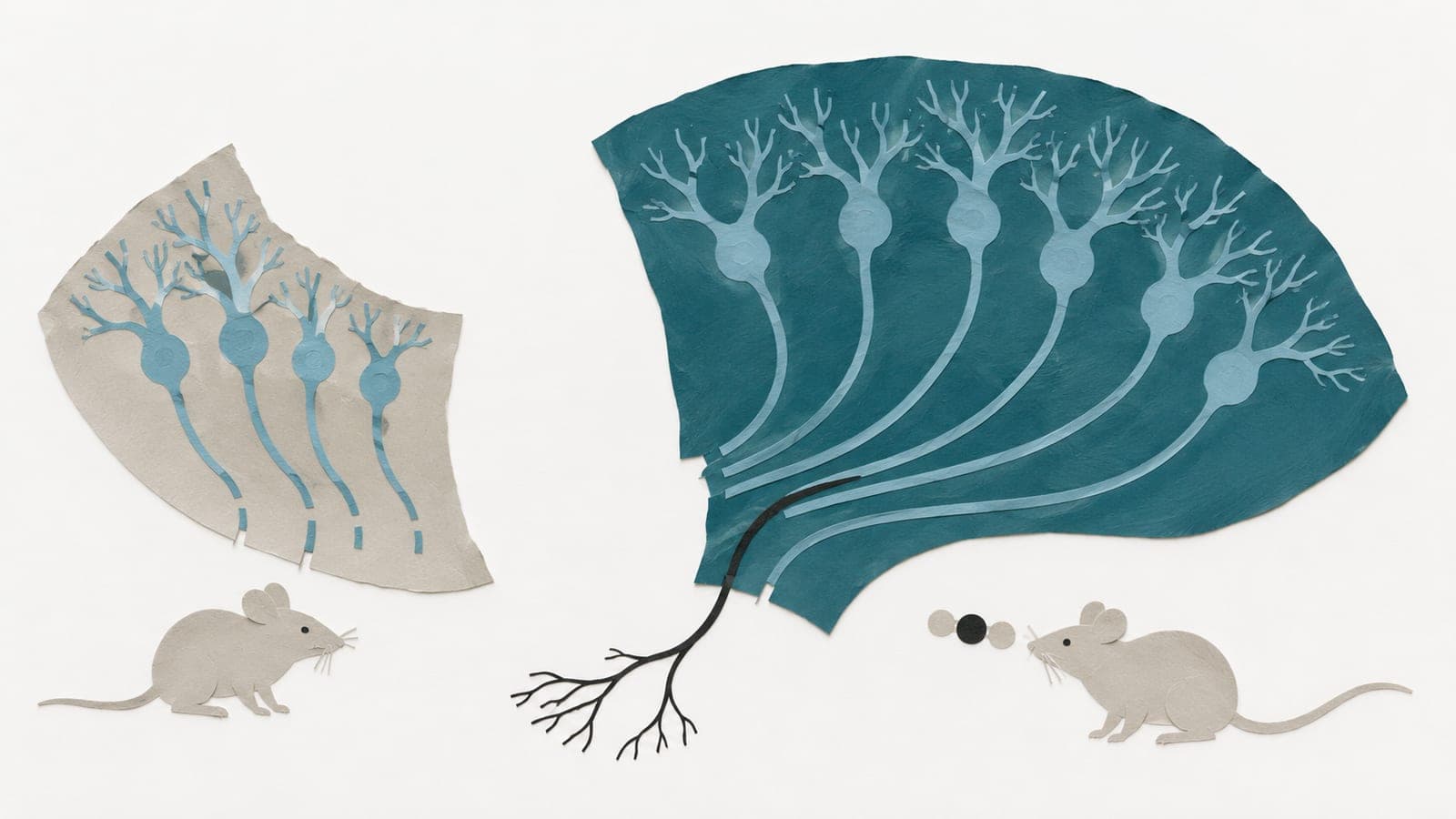
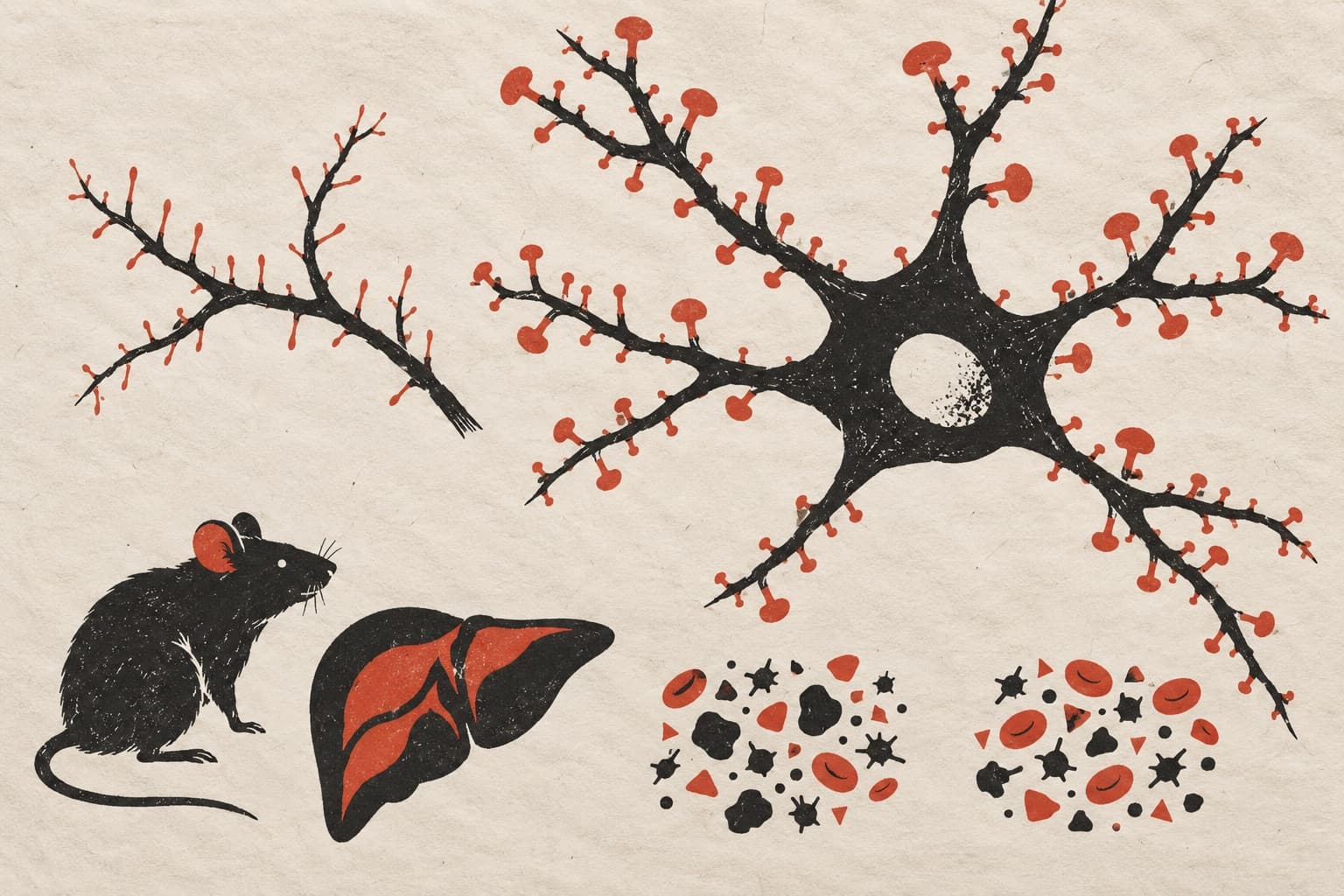
In experiments in mice, researchers tracked a signalling pathway involved in cell growth, focusing on retinal ganglion cells, nerve cells that carry signals from the eye towards the brain. Its activity fell within minutes of birth. Using live imaging just after birth, they traced the abrupt decline mainly to carbon dioxide exhaled as breathing began. Carbon dioxide loss made the inside of these cells less acidic and activated an enzyme that suppressed the growth pathway.
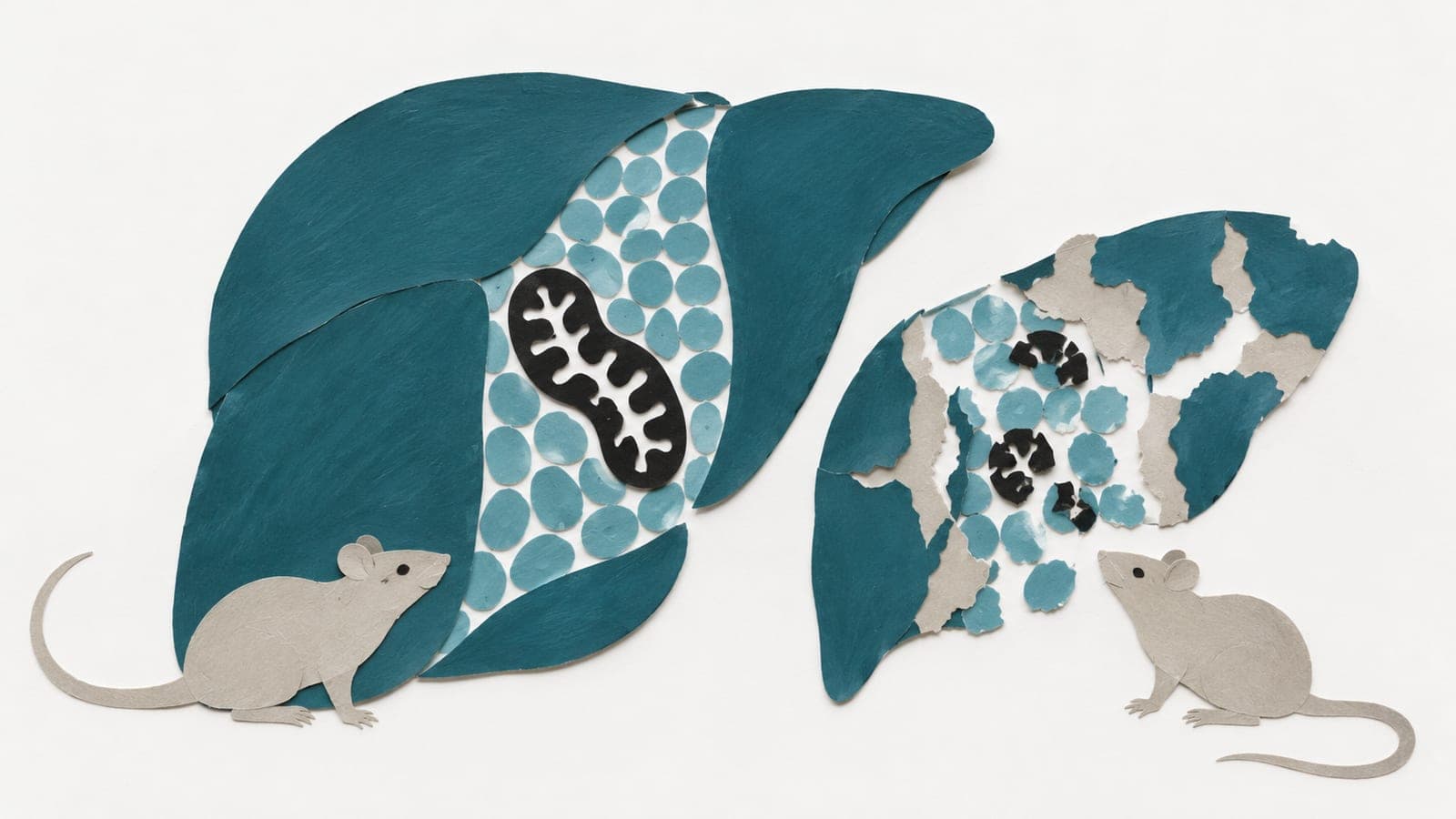
In adult mice, inhaling carbon dioxide or deleting the gene for that enzyme restored the pathway’s activity in retinal ganglion cells and enabled their nerve fibres to regenerate after injury. Carbon dioxide inhalation also reactivated the pathway in several other cell types and organs.
Why it matters
Many mammalian tissues lose their ability to regrow in adulthood. The work points to a potential carbon dioxide-based strategy for promoting tissue regeneration.
Caveats
The reported regeneration concerned retinal nerve fibres in mice, not whole organs or people. The work is a preprint and has not been peer-reviewed.
The paper
The Onset of Breathing at Birth Switches Off Regenerative Capacity
Harvard Medical School
bioRxiv, 11 Oct 2026, Preprint, not peer-reviewed