Metabolic pause protects donor livers and aids survival in rats
A flush combining a metabolic inhibitor with a mitochondrial protectant reduced tissue injury and improved survival after warm storage in rat liver transplants.
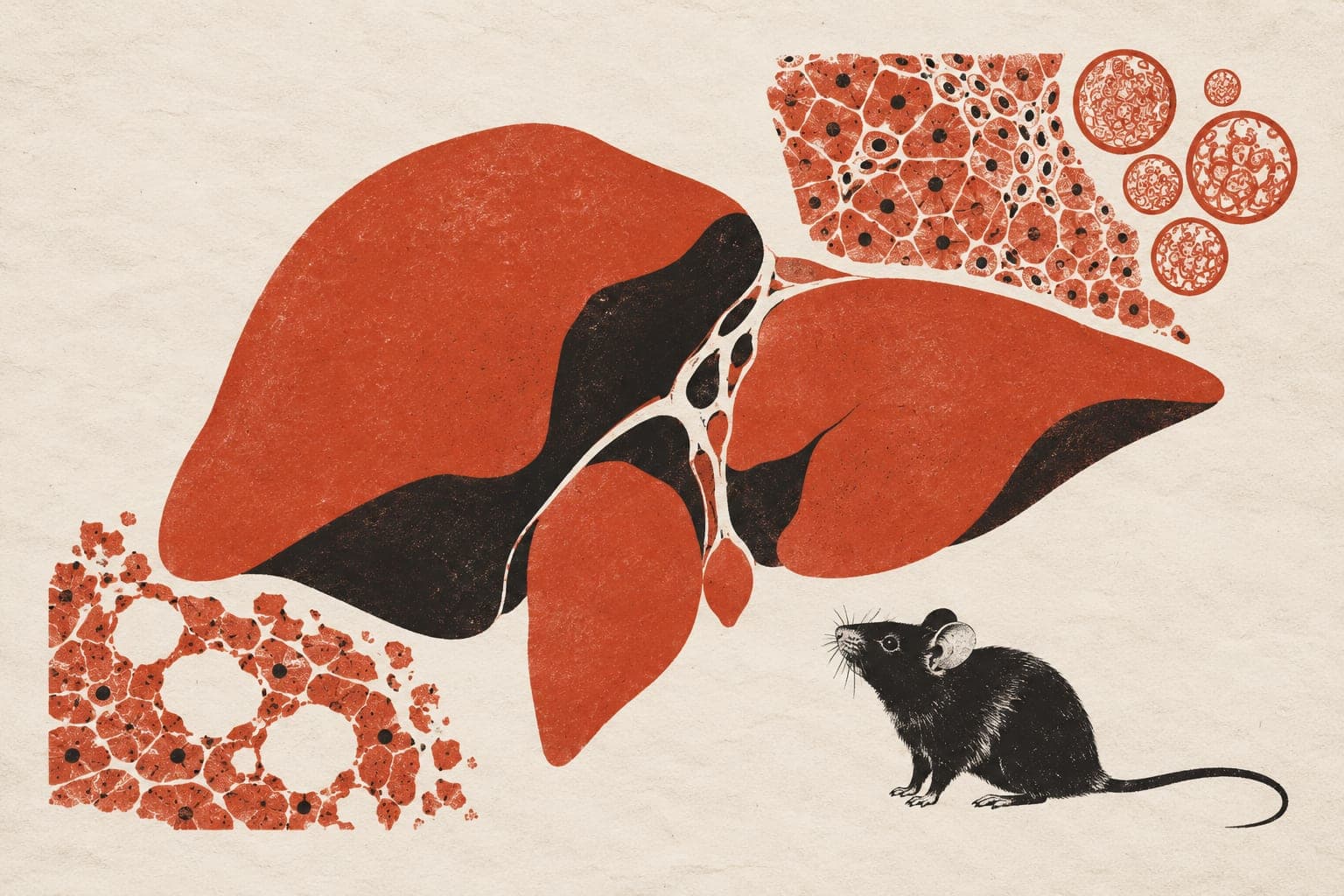
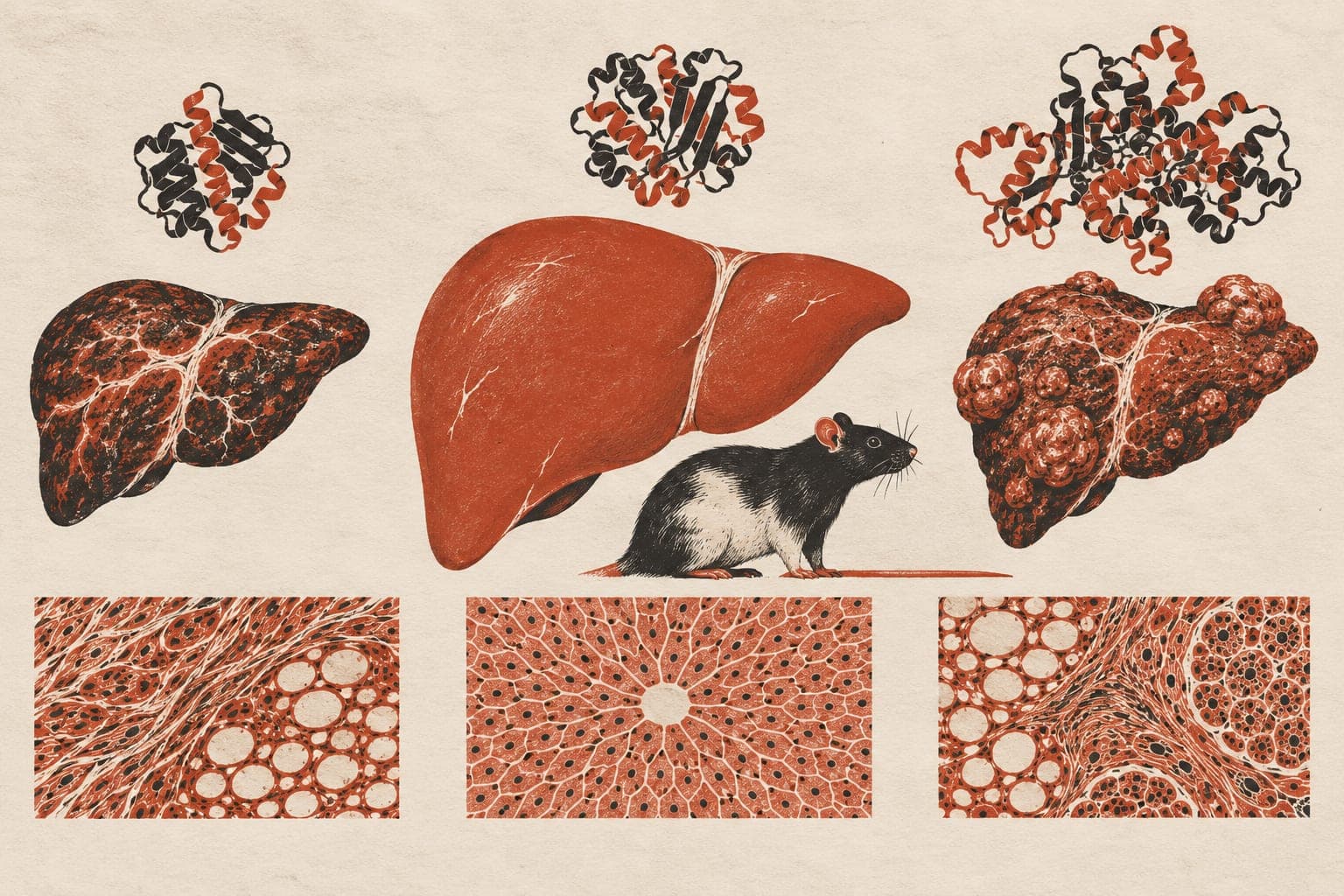
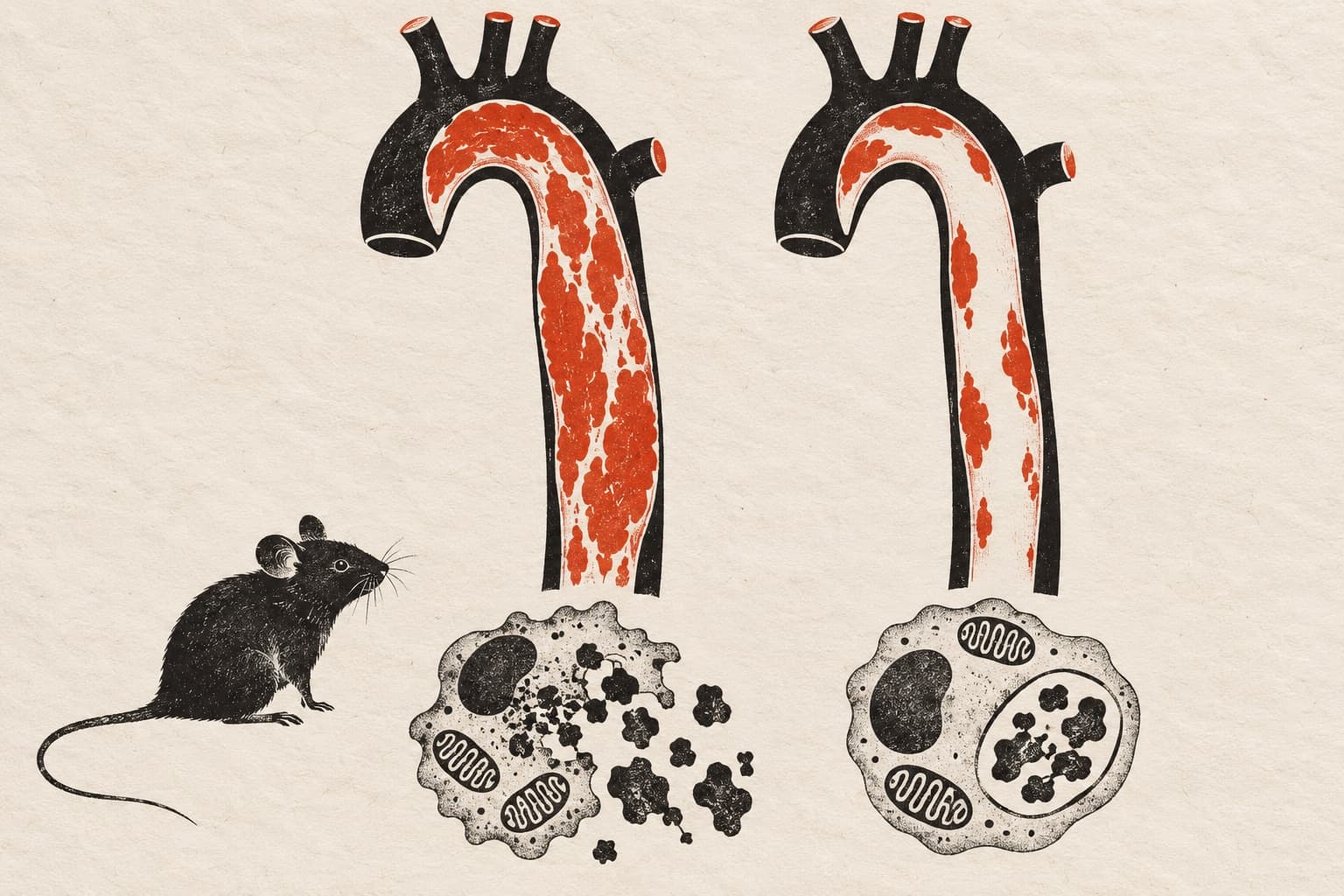
In experiments in cultured stem cells, mouse embryos, and a rat transplantation model, researchers tested a way to pause metabolism during organ preservation. Mammalian cells retain a latent capacity for reversible metabolic arrest, seen naturally in hibernation. Screening inhibitors that target cell growth pathways identified a compound that paused embryonic stem cells and held intact mouse embryos in arrest for 11 days. The researchers combined this inhibitor with a compound that protects mitochondria, the energy-producing parts of cells. In a rat liver transplantation model, this two-part flush reduced structural injury and improved recipient survival after severe warm storage without blood flow.
Why it matters
Tissues rapidly accumulate damage when deprived of oxygen and nutrients, which restricts how long donor organs survive outside the body. Learning how to induce a dormant metabolic state bears on how cells withstand severe stress and could help keep donor tissues viable.
Caveats
This work is reported in a preprint and has not yet been peer-reviewed. The preservation strategy was tested only in cells, mouse embryos, and a rat transplantation model, so it remains unknown whether it will work in human organs.
The paper
TorPause: Efficient Static Organ Preservation for Transplants
Show 6 more authors
H. Masaki, J. Zhang, M. Rivera, T. Nishimura, C. T. Charlesworth, C. O. Esquivel,ISCBRM, Stanford University School of Medicine
bioRxiv, 9 Oct 2026, CC BY-NC-ND, Preprint, not peer-reviewed