Rapamycin induces glucose intolerance in mice by reducing islet mass, insulin content, and insulin sensitivity
Abstract
Rapamycin, a specific inhibitor for mTOR complex 1, is an FDA-approved immunosuppressant for organ transplant. Recent developments have raised the prospect of using rapamycin to treat cancer or diabetes and to delay aging. It is therefore important to assess how rapamycin treatment affects glucose homeostasis. Here, we show that the same rapamycin treatment reported to extend mouse life span significantly impaired glucose homeostasis of aged mice. Moreover, rapamycin treatment of lean C57B/L6 mice reduced glucose-stimulated insulin secretion in vivo and ex vivo as well as the insulin content and beta cell mass of pancreatic islets. Confounding the diminished capacity for insulin release, rapamycin decreased insulin sensitivity. The multitude of rapamycin effects thus all lead to glucose intolerance. As our findings reveal that chronic rapamycin treatment could be diabetogenic, monitoring glucose homeostasis is crucial when using rapamycin as a therapeutic as well as experimental reagent.
From the paper
- Events by group
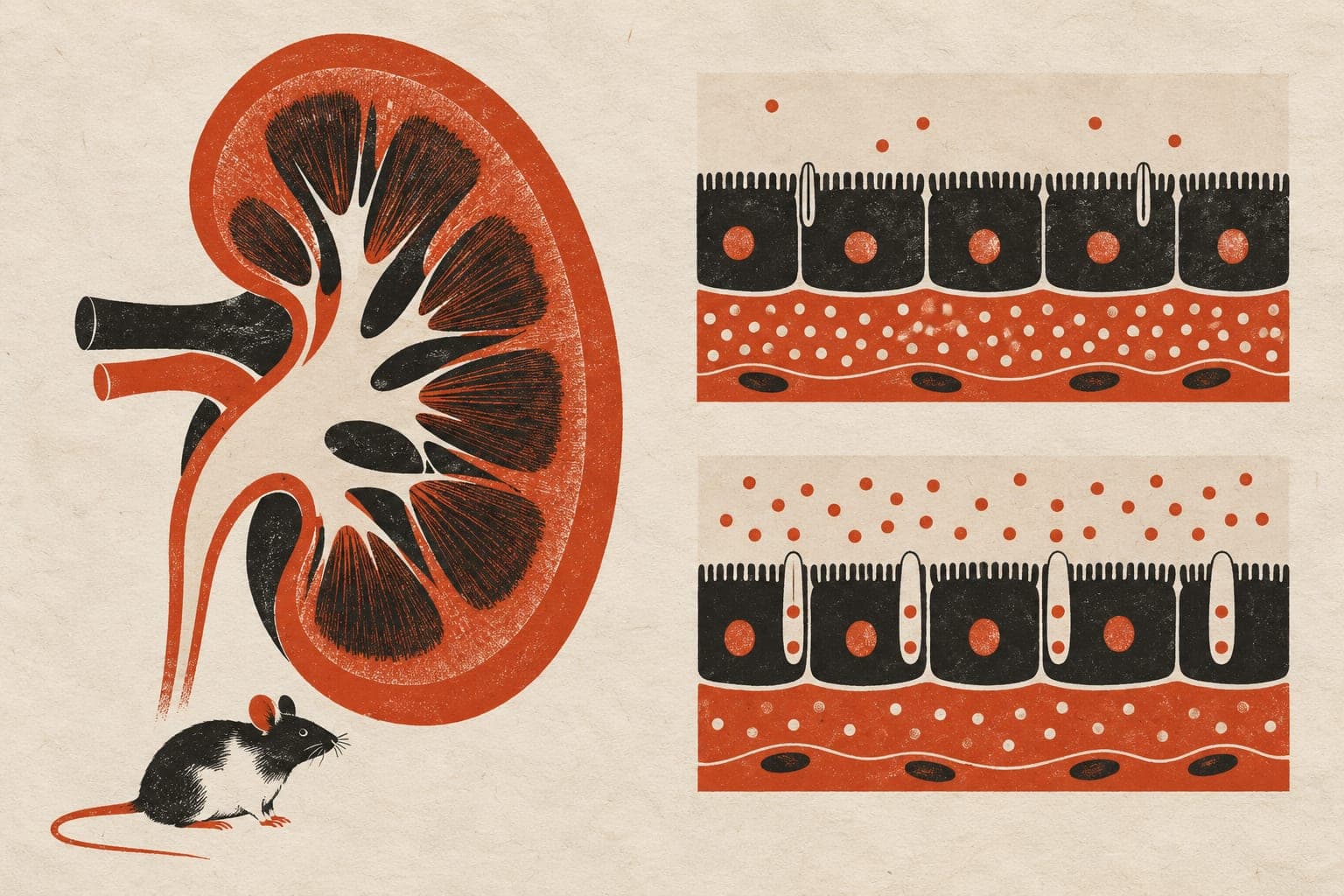
We found that the pancreatic islets from rapamycin-treated mice had a reduction of Ki67-positive cells and insulin-positive cells (0.1% for the DMSO group and 0.03% for the rapamycin group, p < 0.05, Fisher’s exact test; Fig. ) …
Results, Rapamycin reduces beta cell mass in pancreatic islets by decreasing beta cell proliferation
Quoted word for word from the full text on PubMed Central.
The paper
Howard Hughes Medical Institute
Journal of Molecular Medicine, 22 Nov 2011, Open access