Trends in Biochemical Sciences
Oxidative stress shortens telomeres
ReviewMechanisms
Abstract
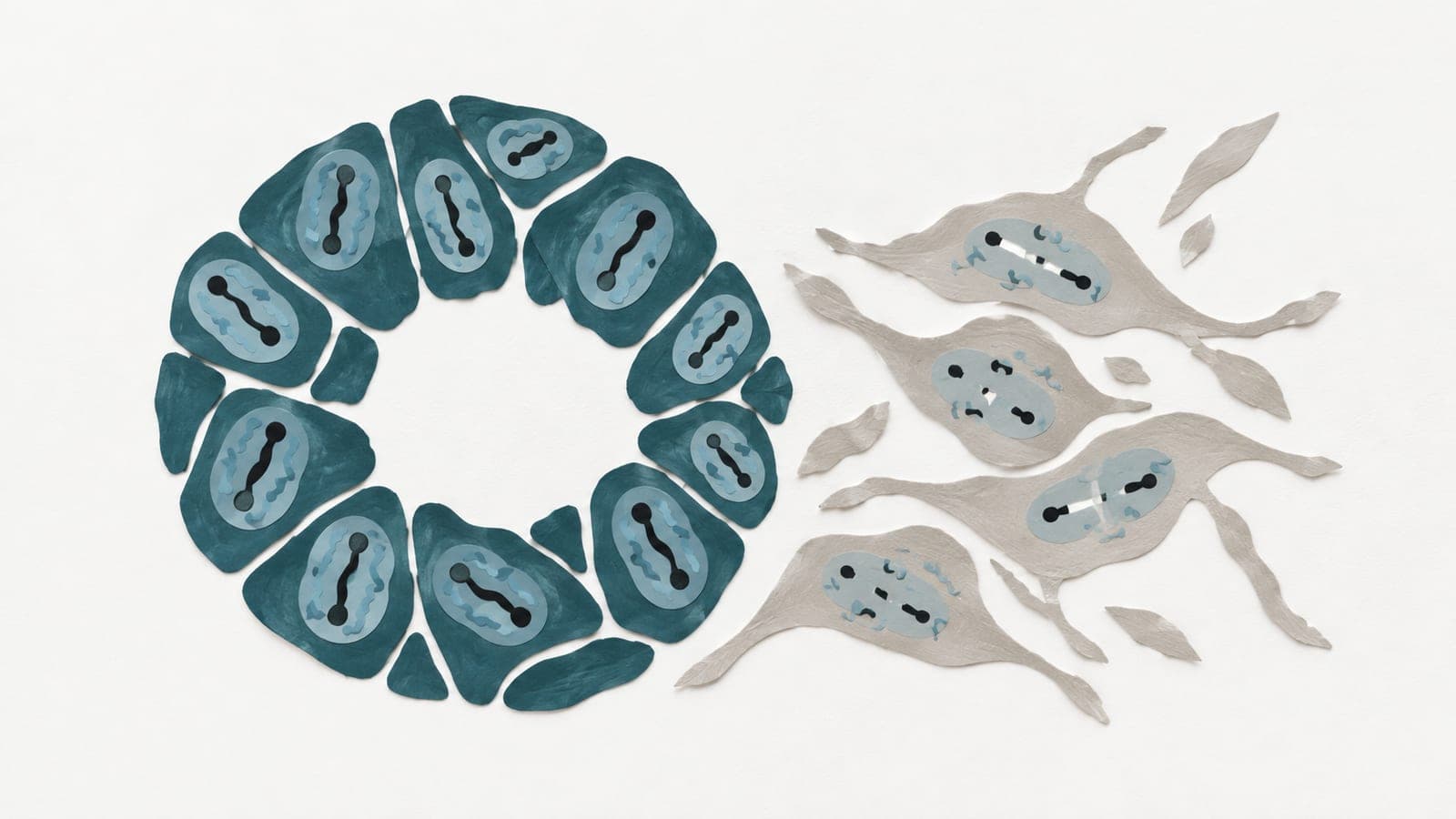
Telomeres in most human cells shorten with each round of DNA replication, because they lack the enzyme telomerase. This is not, however, the only determinant of the rate of loss of telomeric DNA. Oxidative damage is repaired less well in telomeric DNA than elsewhere in the chromosome, and oxidative stress accelerates telomere loss, whereas antioxidants decelerate it. I suggest here that oxidative stress is an important modulator of telomere loss and that telomere-driven replicative senescence is primarily a stress response. This might have evolved to block the growth of cells that have been exposed to a high risk of mutation.
- Cellular senescence
- DNA damage response
- DNA repair
- Oxidative stress and ROS signalling
- Telomere length
- Humans
The paper
Newcastle University
Trends in Biochemical Sciences, 1 Jul 2002