International Biophysical Verdict: Mitochondrial Constants of Systemic Degradation and Mechanisms for Achieving Human Immunological Sovereignty Aimed at Radical Enhancement of Life Quality and Lifespan Without Pathologies Beyond One Hundred and Twenty Years
Abstract
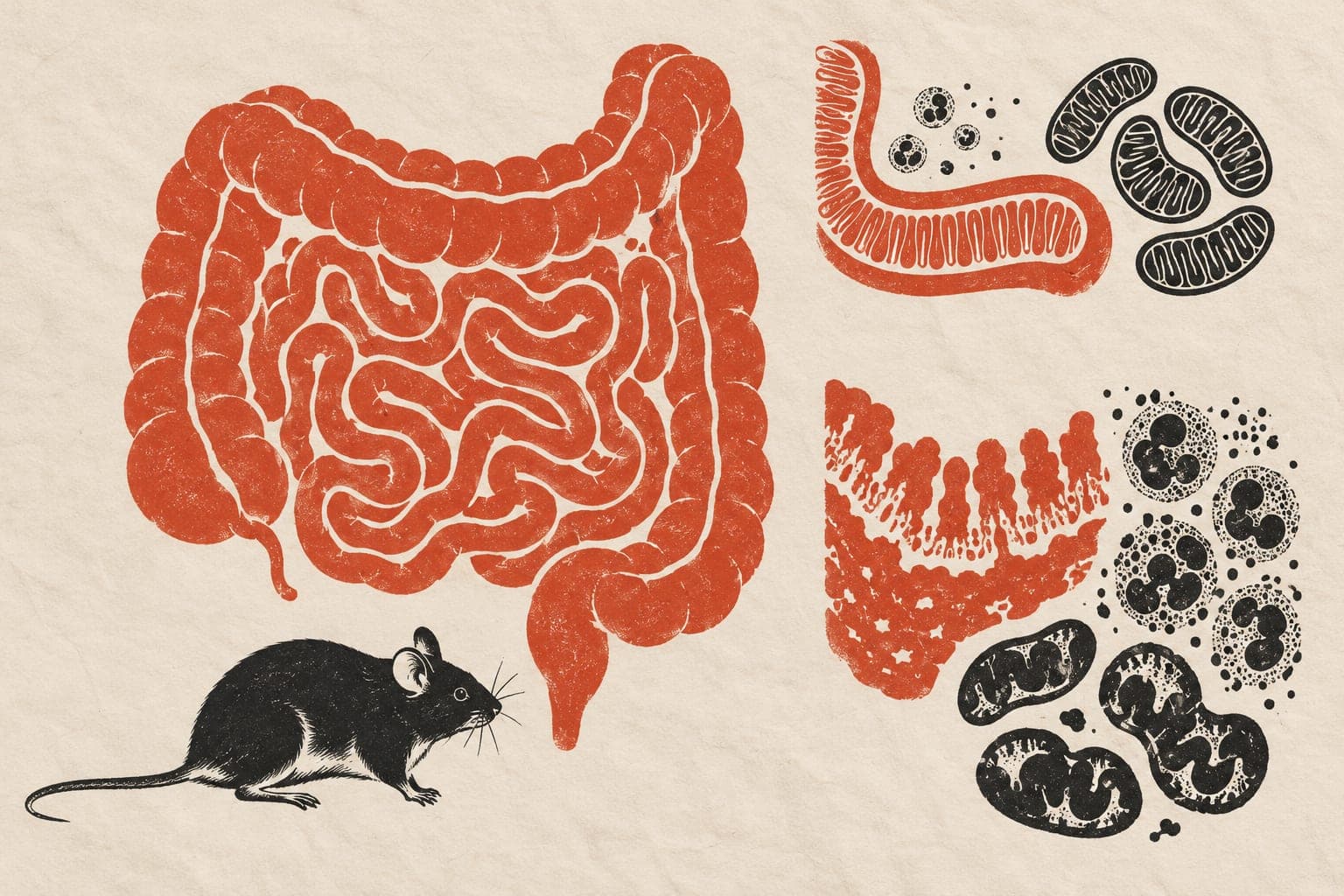
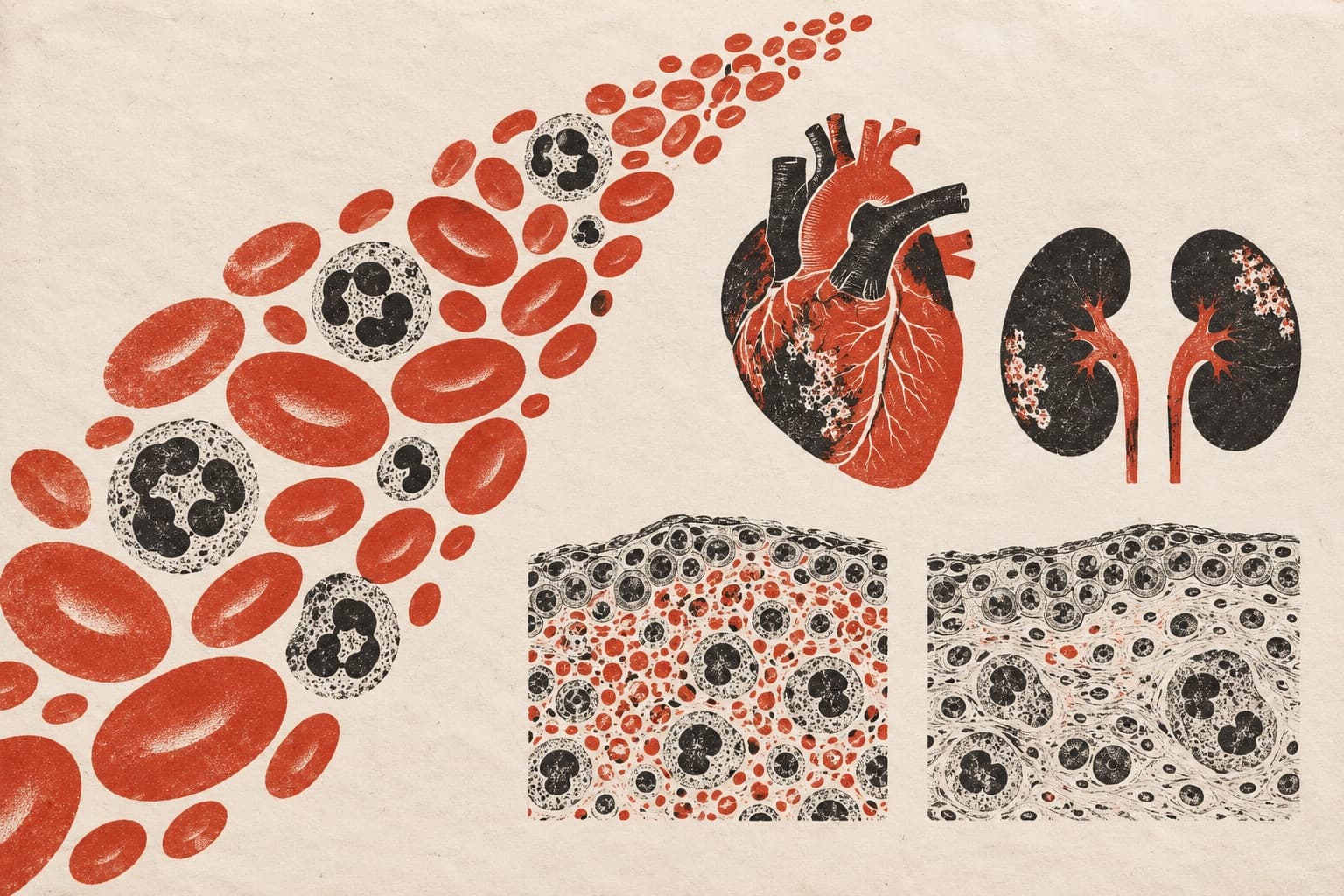
This study delivers a fundamental methodological revision of contemporary academic gerontology and establishes an invariant causal design demonstrating that conventional hallmarks of senescence are not autonomous genetically pre-programmed biological clocks. Phenotypic decline and somatic oncogenesis are defined strictly as secondary thermodynamic consequences of a chronic generalized intracellular infection. The biophysical model identifies a definitive multi-pathogen complex comprising five primary obligate intracellular agents which execute a generalized expansion throughout all vascular, dermal, and fluid compartments, redirecting the host mitochondrial adenosine triphosphate pool via translocase interception. The resulting permanent energy deficit triggers a self-sustaining closed causal loop where causes and consequences continuously alternate functional roles. The continuous accumulation of circulating immune complexes critically obstructs the glomerular basement membranes, drastically reducing the glomerular filtration rate and leading to an excessive crystallization of uric acid, which operates as a pathognomonic precursor to oncological utilization. The empirical priority of the concept is verified via multi-decade, longitudinal in vivo monitoring of a human macroorganism and an isolated mammalian ecosystem, documenting the steady attainment of a stable homeostatic constant characterized by an immunoregulatory index of two point three and complete juvenile parenchymal reversion.
- Modelling and theory
- Cellular homeostasis
- Cellular senescence
- Cancer
- Chronic generalized intracellular infection
- Humans
The paper
Independent Researcher
Zenodo, 18 Jul 2026, Open access, CC BY, Preprint, not peer-reviewed