Immune Resolution—Rather Than Inflammation Alone—Shapes Disease Outcomes: Impaired Efferocytosis and ELMO Signaling Link Hematopoietic Aging to Lung Fibrosis
Abstract
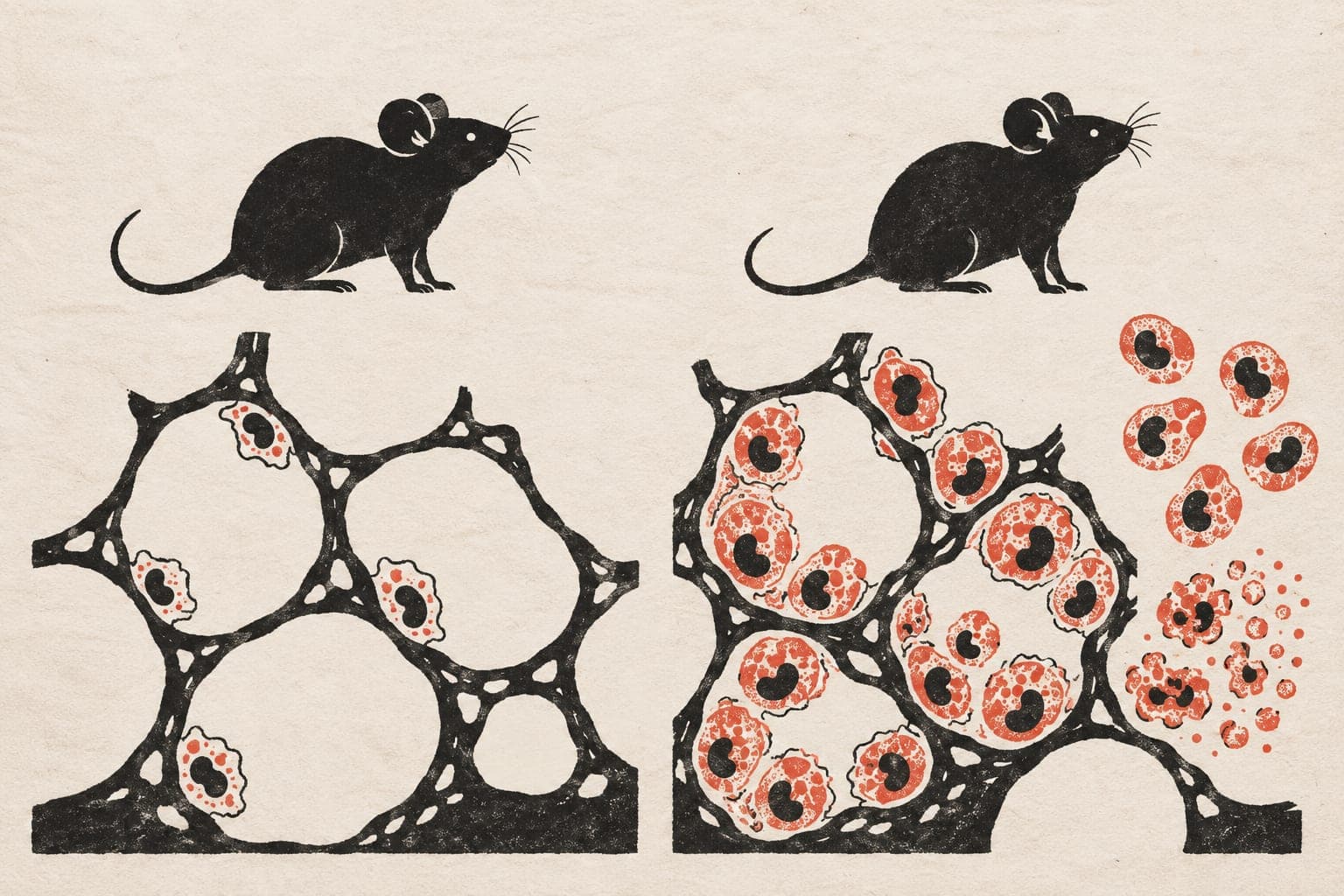
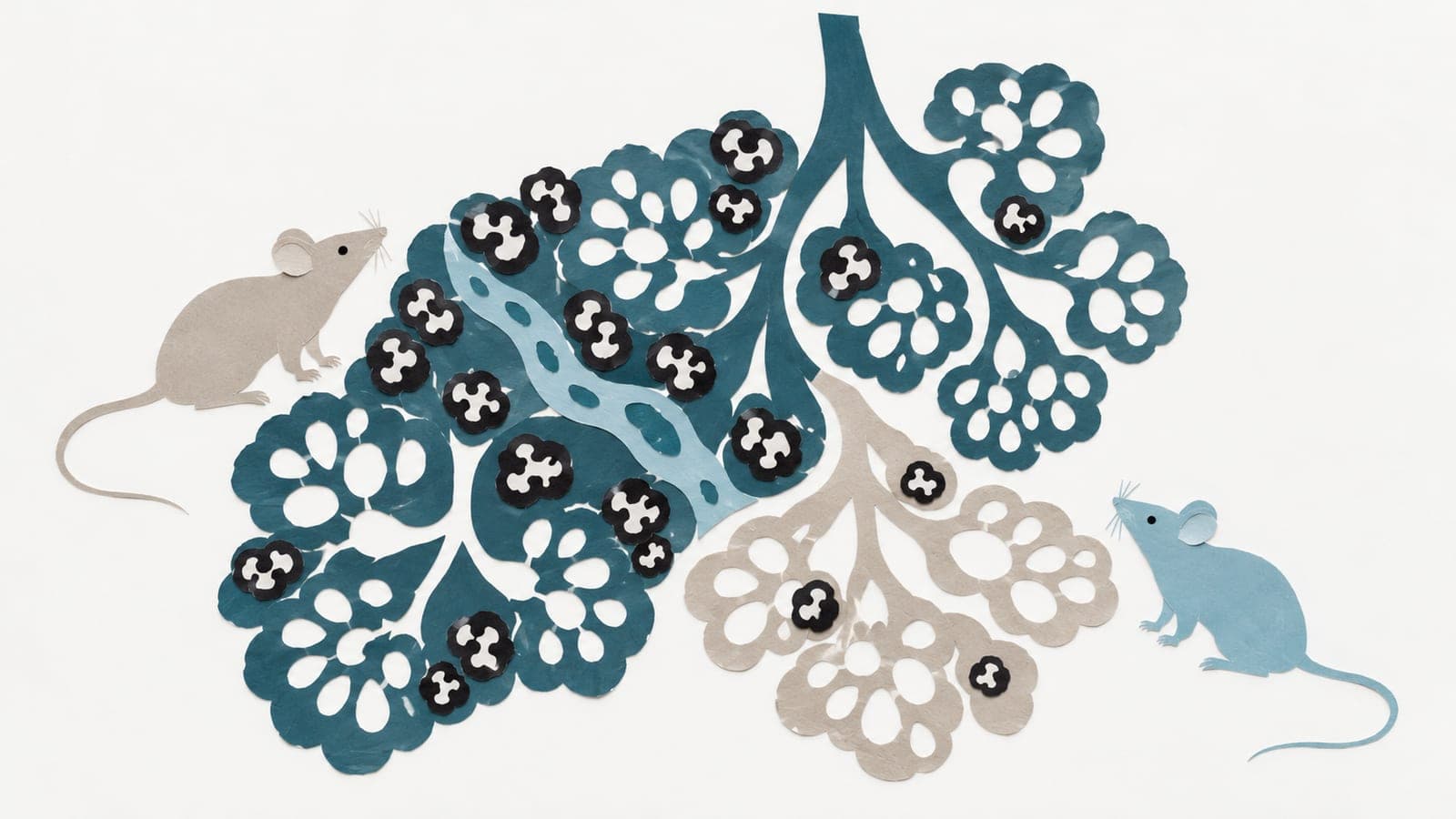
This work presents a hypothesis-driven conceptual framework proposing that immune resolution—rather than inflammation alone—is the primary determinant of disease outcomes. We highlight how hematopoietic aging disrupts immune homeostasis by skewing myeloid cell production and impairing regulatory immune pathways. In particular, defective efferocytosis and impaired ELMO signaling limit macrophage reprogramming into pro-resolving phenotypes, reducing anti-inflammatory cytokine production such as IL-10. We propose that this failure in immune resolution leads to persistent inflammation and fibrotic remodeling, contributing to age-associated lung diseases such as idiopathic pulmonary fibrosis. This work integrates emerging findings in immunology to establish a mechanistic link between bone marrow aging, macrophage dysfunction, and fibrosis, and suggests that targeting resolution pathways may represent a novel therapeutic strategy.
- Modelling and theory
- Inflammation
- Extracellular matrix remodelling
- Immune response
- Lung fibrosis
- Age-associated lung diseases
The paper
Zenodo, 15 Apr 2026, Open access, CC BY, Preprint, not peer-reviewed