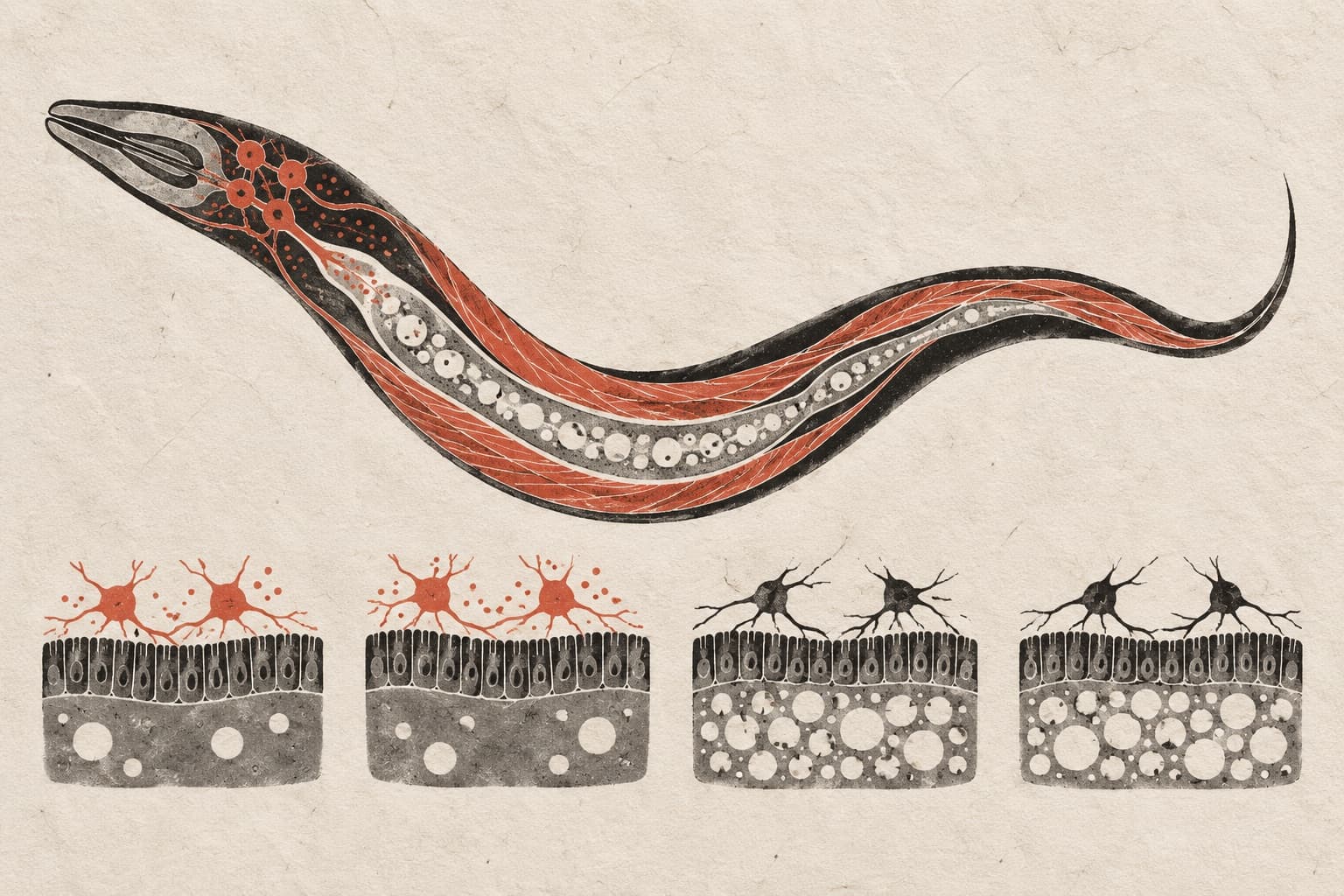
C. elegans PDF-1 and the Evolutionary Origin of Incretin-Like Peptides in Treatment of Diet-Induced Obesity
Abstract
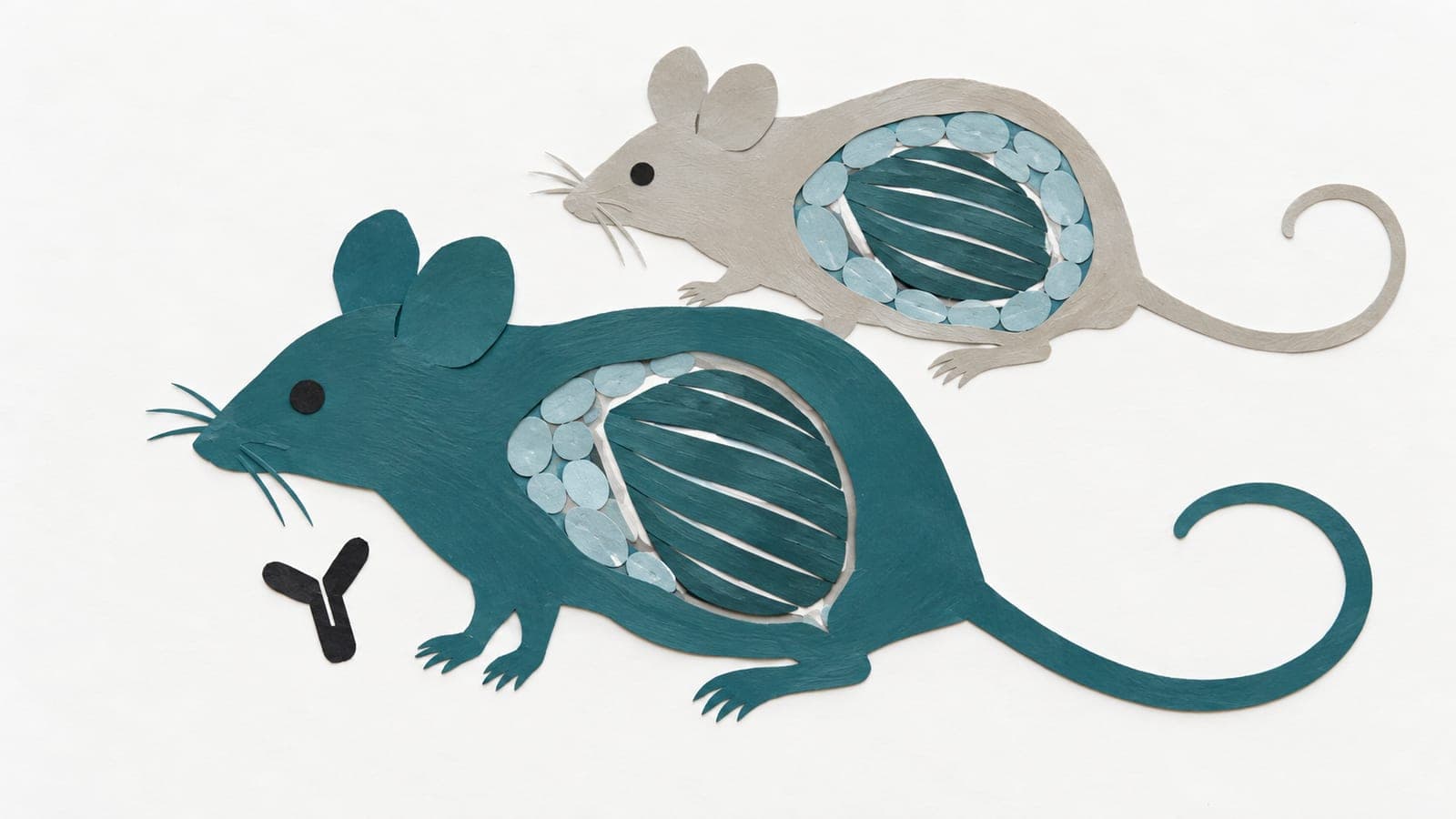
Introduction and Objective: Although initially identified as incretins that promote insulin secretion, GLP-1/GIP receptor agonists are widely used for obesity/diabetes treatment for their potent weight loss effects. In a series of studies on high fat feeding in the model organism C. elegans, we identified the peptide pigment dispersing factor-1 (PDF1) and its receptor PDF1R as a strong regulator of feeding behavior in the worm. Sequence alignment revealed that PDF1/PDF1R share previously unrecognized structural similarities with the entire family of GLP-1, GIP and their receptors. The objective of this study is to evaluate metabolic effects of PDF1 in mammals. Methods: Synthetic peptides containing partial or modified PDF1-derived sequences were generated and tested for their effects in diet-induced obese C57BL/6J mice at doses of 100 or 200 nmol/kg/day. In parallel, C2C12 myotubes were treated with PDF1 peptides to examine glucose uptake. Results: In mice, a 37-amino acid PDF1-derived peptide suppressed body weight gain (p=0.029) and reduced food intake (p=0.037), but only to a modest extent compared to the dual agonist tirzepatide. This was associated with up-regulation of gene markers of brown fat activity, including Cidea and Ucp1. More importantly, treatment with the PDF1 peptide was associated with significantly lower plasma glucose at 30 and 60 min in an oral glucose tolerance test (both p<0.05), as well as reduced fasting and OGTT-stimulated insulin levels (both p<0.05), and a striking near-normalization of insulin resistance as measured by HOMA-IR (p<0.001). In vitro, PDF1 peptides also significantly increased glucose uptake at 10 nM and 100 nM in C2C12 myotubes (both p<0.01). Conclusion: Thus, C. elegans PDF1-derived peptides bear sequence homology to GLP-1/GIP, exert modest anorectic and weight-suppressive effects in mice, but improve insulin sensitivity substantially. These findings suggest that PDF1 may be the ancestral precursor of GLP-1/GIP and represent a novel backbone for development of new therapeutics for diabetes/obesity. Disclosure: Y. Watanabe: None. F. Zhu: None. H. Lentschat: None. A. Nawaz: None. A. Ghosh: None. A. Beck-Sickinger: None. C. Kahn: Consultant; Current; TIXiMED, Alnylam Pharmaceuticals, Inc. Board Member; Current; 1825 Therapeutics. Consultant; Ended; Cellarity.
The paper
Leipzig
ADA Scientific Sessions 2026 Abstract, 5 Jun 2026
Presented at ADA Scientific Sessions 2026, poster 2533-P