Protein injections caused greater weight loss in older mice
Three weeks of protein injections reduced weight in male and female mice, with greater effects in older mice and those fed a high-fat diet.
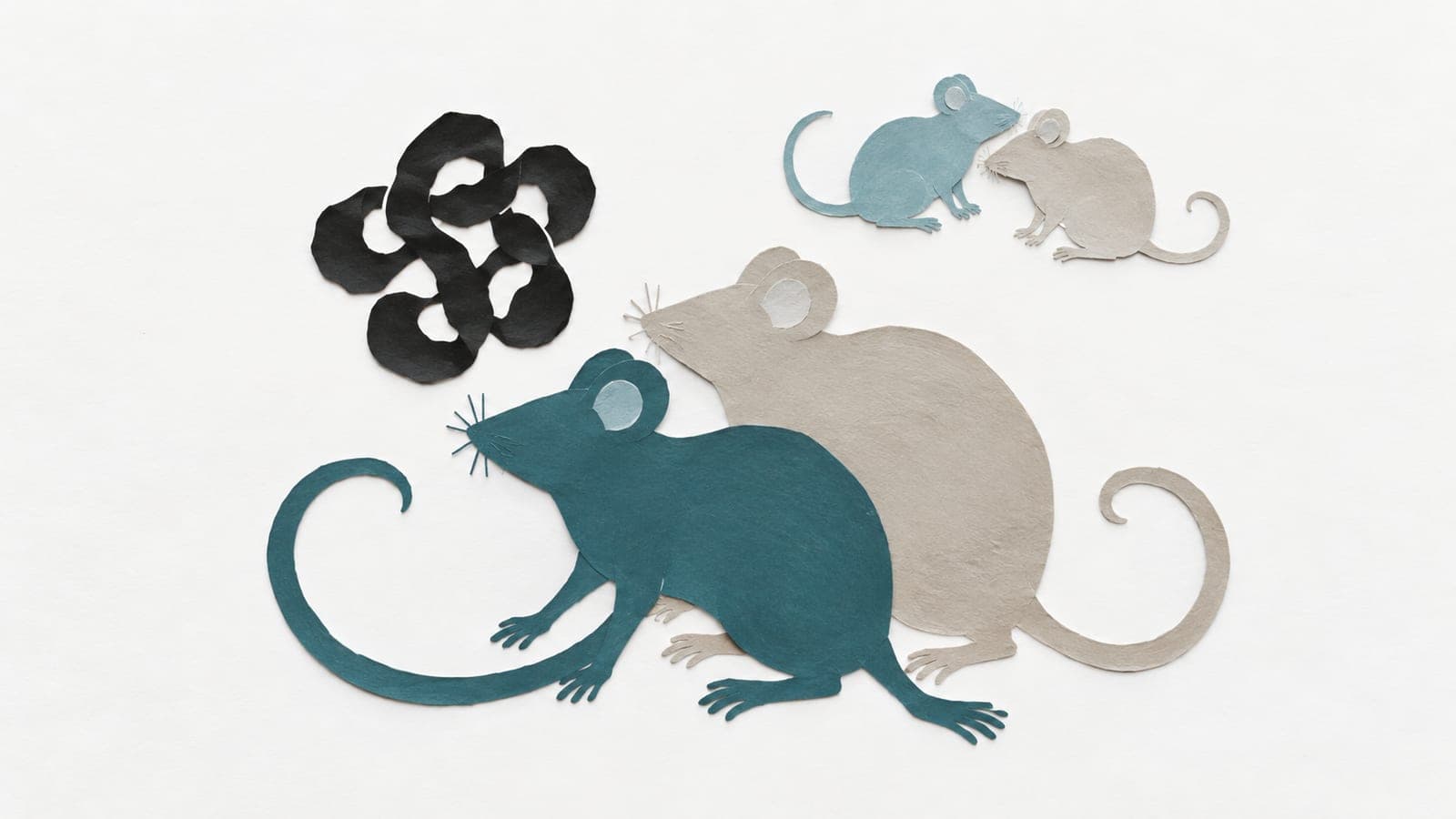
Male and female mice aged 8 or 64 weeks received a normal or high-fat diet for 20 weeks in this animal experiment. The researchers then injected them under the skin with growth differentiation factor 15 (GDF15), a protein that regulates body weight, or a control substance for three weeks.
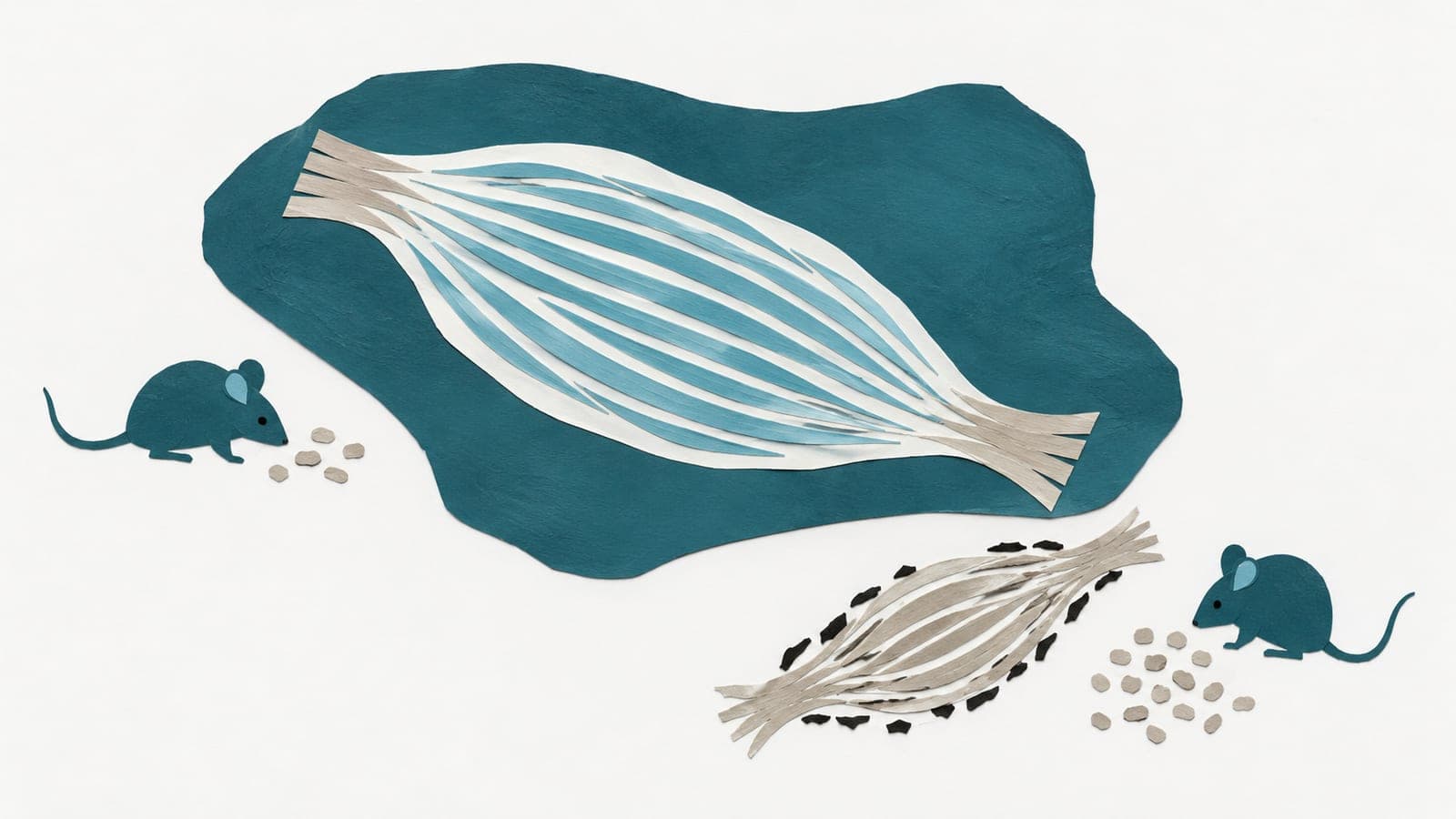
GDF15 reduced body weight more in older mice and those fed a high-fat diet. The researchers observed reduced food intake mainly in younger mice fed a high-fat diet. The protein also improved blood sugar control. Analyses of fat, liver and calf muscle showed that changes in gene activity differed with tissue, diet and age. The researchers saw greater changes in gene activity in the liver, especially in older mice.
Why it matters
The study addressed how age shapes the body's response to a weight-regulating protein. The findings suggest that mechanisms beyond eating less may contribute to greater weight loss in older mice.
Caveats
The protein was tested in mice for three weeks, so the findings do not establish its effects in people or with longer use.
The paper
GDF15 Induces Weight Loss with Diet- and Age-Dependent Metabolic Effects Across Tissues in Mice
Metabolic Research Laboratory
Aging and Disease, 9 Oct 2026