Mitochondrial dysfunctional cells of yeast rescued by astaxanthin under oxidative stress and aging
Abstract
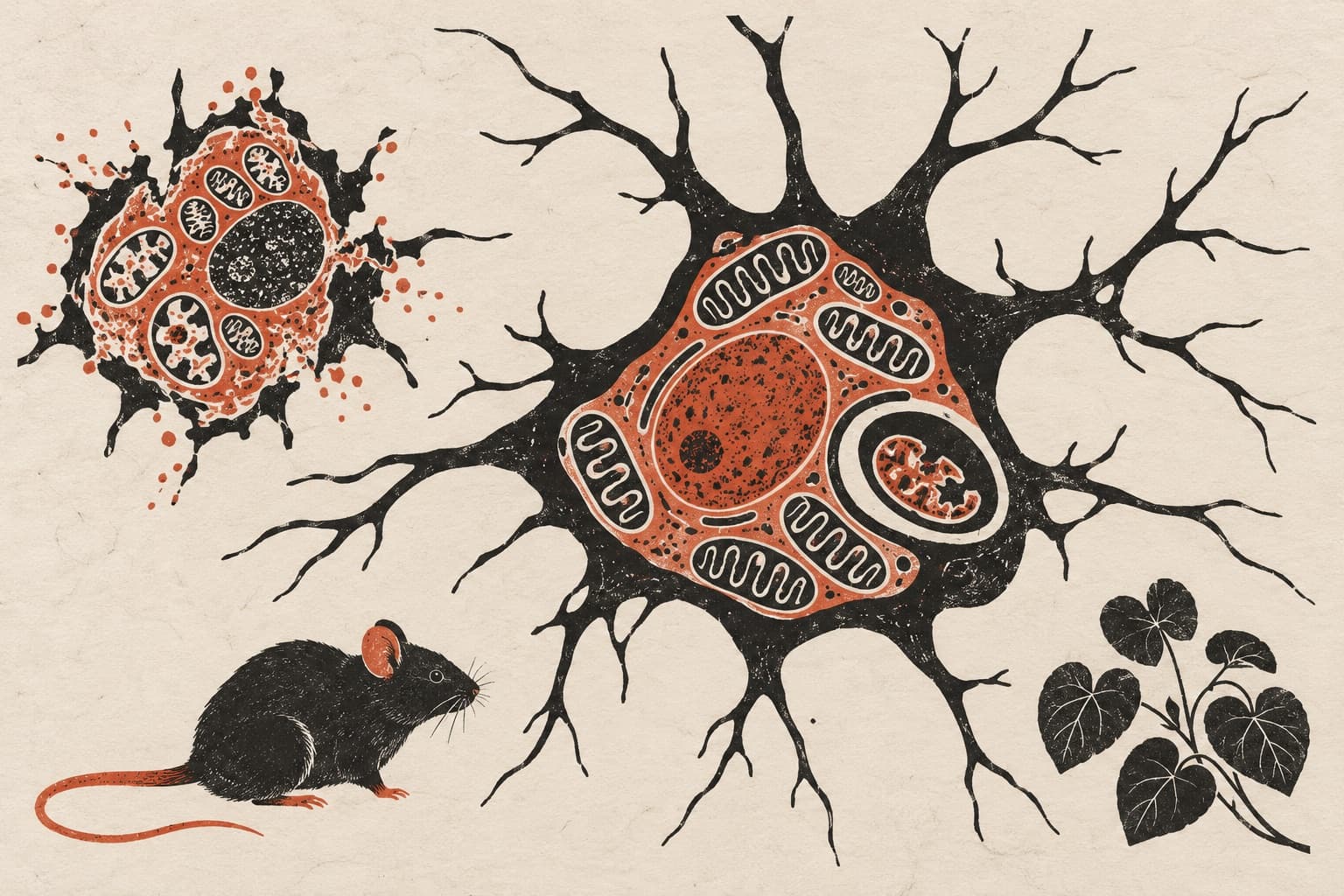
The mitochondria generate cellular ATP through oxidative phosphorylation. A consequence of [electron transfer](https://www.sciencedirect.com/topics/biochemistry-genetics-and-molecular-biology/electron-transport) in energy production generates [reactive oxygen species](https://www.sciencedirect.com/topics/medicine-and-dentistry/reactive-oxygen-species) (ROS). When ROS in the mitochondria exceeds the capacity of antioxidant enzymes to scavenge the free radicals, it causes mitochondrial dysfunction. Astaxanthin, a natural anti-aging compound, has been used in this study to explore its antioxidant, anti-apoptotic, and anti-aging effects in mitochondrial dysfunctional yeast cells. In the colony-formation unit and the spot, the viability of the mitochondrial dysfunctional cells ( bcs1Δ, cox10Δ, sdh2Δ, sdh4Δ and sco1Δ ) was increased after the pretreatment of astaxanthin compared to the H 2 O 2 alone treated cells. Astaxanthin treated cells reduce the intracellular ROS and apoptosis was studied by H 2 DCF-DA and AO/EB staining, respectively. DiOC6 staining indicates the decreased mitochondrial membrane potential in astaxanthin treatment. Expression levels of mitochondrial genes and DNA repair genes under oxidative stress and astaxanthin pretreatment were evaluated by RT-qPCR. The results show that astaxanthin scavenges ROS and reduces the expression of genes. Astaxanthin enhances the lifespan by scavenging ROS in the yeast chronological lifespan assay. This study suggests that astaxanthin is a powerful antioxidant used as an anti-aging compound and promotes healthy aging.
The paper
Pondicherry University
Preprint, 24 Jul 2025, Preprint, not peer-reviewed