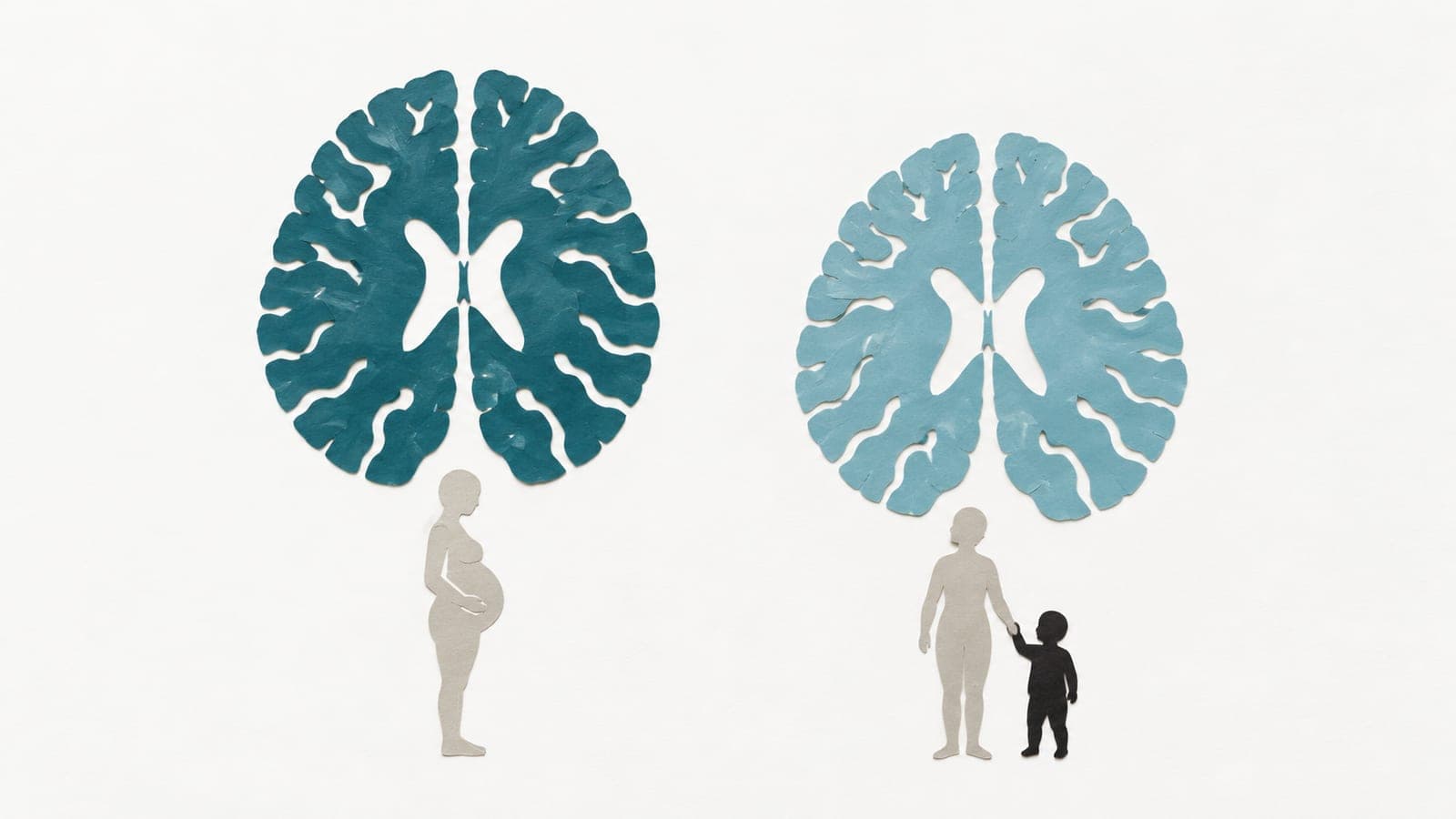
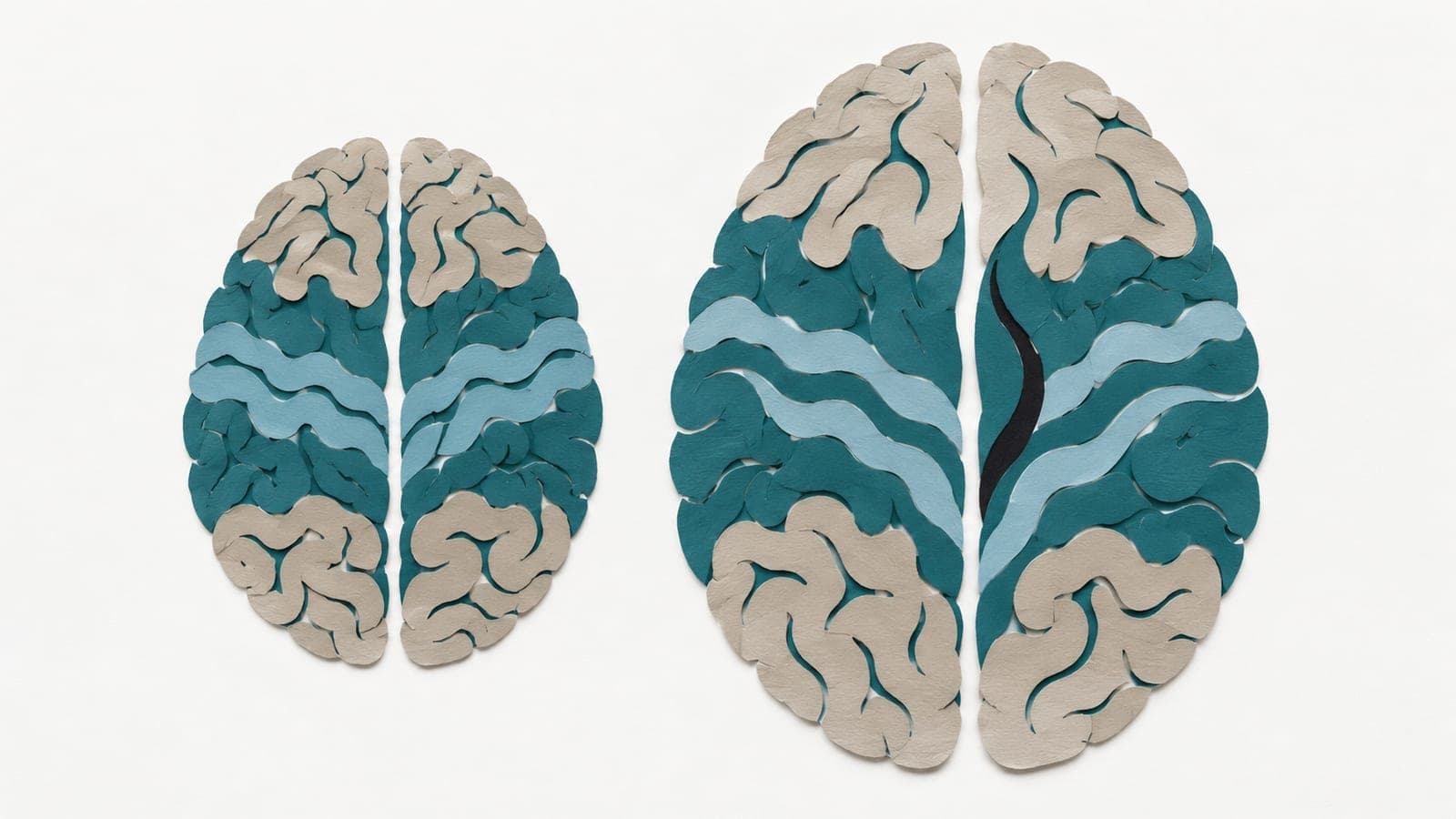
Brain age and multilingualism
Abstract
The (human) brain changes as a function of age, and such changes can be readily observed and quantified with structural magnetic resonance imaging (MRI) [1–6] data. Due to both genetic and environmental influences, biological aging of the brain occurs at different rates across individuals [7]. It involves changes in the structural integrity of the brain, characterized by reduced gray and white matter volume, cortical thinning, and altered connectivity [8]. Brain age gap is a neuroimaging-based biomarker that indicates whether an individual has a brain that appears older or younger than average for their chronological age[9]. Its assessment uses T1-weighted MRI using machine learning algorithms trained on large datasets of healthy individuals [7]. Importantly, brain age has been shown to have cascading effects on disease and mortality [10,11]. For example, in the context of language, Kristinsson and colleagues [12] were able to predict long-term language recovery in aphasia using an estimate of brain age from MRI data; individuals with accelerated brain age relative to chronological age had worse long-term language recovery. Several protective factors against typical brain aging have been identified and include education and physical exercise [13], as well as long-term meditation practice [14]. Another potential protective factor that has been widely discussed is multilingualism [15–18], i.e., the knowledge and use of more than one language. In what now represents a large body of research, bi- and multilingualism have been shown to be associated with positive cognitive and neural outcomes, and a delayed neurocognitive decline; see [15–18] for overviews. It has been widely reported (see [19] for an overview; and [20] for a meta-analysis), although also controversial (see below), that bi- and multilingual individuals outperform monolinguals on executive function tasks. In normal aging, older bilingual adults show higher performance on cognitive tasks than monolinguals [21–33]. At the level of the brain, independent studies in relatively small cohorts (sample sizes of between 28 and 60 individuals) provide evidence of higher preservation of gray matter in the left temporal pole [34,35], inferior parietal lobule [36], and greater frontal lobe [35] and callosal [37] white matter integrity in bilingual versus monolingual older adults. In addition, bilingual experience has been associated with declarative memory advantages [38], and with larger hippocampal volume [39–41], as well as with a slower age-related decline in white matter integrity [42]. Individuals at risk for mild cognitive impairment, Alzheimer's disease, and other types of dementia also appear to benefit from knowing and using more than one language [43]. A number of studies have found that compared to monolingual older adults, bilinguals on average showed symptoms of dementia 4-5 years later [44–46], which has been confirmed in recent meta-analyses [47–49], and in a recent large-scale investigation into country-level multilingualism and the pace of biobehavioral aging [50]. Taken together, evidence points to advantages in domains including cognitive control and memory, and these benefits may even synergize at both the behavioral and neural levels, justifying the need to investigate the relationship between language experience and the brain in a more holistic manner. However, to the best of our knowledge, no study to date has directly examined putative associations between the brain age biomarker and multilingualism, nor has there been an effort to explore additive effects of multilingualism (i.e., knowledge and/or use of additional languages beyond the second language) in relation to brain aging. Indeed, both bi- and multilingualism are multidimensional experiences, and recent research provides tools to quantify the variability of language experience across domains [51–54]. It should be noted that positive effects associated with bilingualism reported in some studies have not always been replicated in others, whether in terms of executive function [55–58], or of cognitive reserve in older adults [59–63]. The mixture of positive, null and negative findings in the literature further reinforces the need for a large-scale, pre-registered, systematic investigation of the relationship between multilingualism and brain aging, such as the present one. Even the most large-scale investigation into the question to date [50], only showed that it is living in a multilingual country, and not knowing multiple languages per se, that is related to delayed aging indicators. In this Preregistration, we therefore address the overarching question of whether the degree of individual multilingual language experience is negatively related to the brain age gap biomarker. In other words: Is it the case that the more languages you know, the younger your brain? One proposed explanation for observations of positive effects of bi- and multilingualism on cognitive and brain reserve is the fact that the languages of bilingual individuals are constantly activated, influencing and interacting with each other. Therefore, it is argued that a long-term experience involving the continuous management and resolution of competition between several languages may result in cognitive and neural consequences, extending beyond the domain of language, to domain general processing [19]. Languages differ from each other to varying degrees, and one factor that could further influence the brain aging in a multilingual person is the typological proximity between the languages they speak. According to the principle that more cognitively demanding tasks tend to produce greater cognitive benefits [64,65], there are two possible scenarios. First, one might expect more cognitive benefits from closely related languages. They share many similarities and might be more cognitively demanding because of greater interference and competition between them, and a greater need for suppression. Alternatively, learning languages that are more distant from each other and that share few features might place greater demands on cognitive systems such as attention, working memory, and cognitive control, and this increased challenge could lead to more pronounced improvements in these domains. Indeed, there is experimental evidence in support of each of these scenarios: some studies show stronger effects for bilinguals with similar languages [66,67], while others report advantages for more distant language combinations [68–70]. Specifically in the context of aging, healthy bilingual seniors speaking more distant language pairs have been reported to perform better on cognitive tasks than those speaking less distant pairs [71]. Yet another possibility is that both language similarities and language differences modulate cognition and the brain, but in different ways. In particular, learning more similar languages may promote positive transfer effects - that is, the facilitation of learning by applying prior knowledge from one language to another. However, this similarity can also increase language interference, thereby placing greater demands on inhibitory control [66,72]. In contrast, learning more distant languages may be more cognitively demanding overall, and may have heavier memory requirements since the overall lexicon, phonological inventory, as well as morpho-syntax are not only larger but also more diverse. Therefore, greater language similarity could be related to structural adaptations in brain regions known to be important for executive function (e.g., anterior cingulate cortex, dorsolateral prefrontal cortex, etc.), while more distant languages may come hand in hand with structural adaptations of memory regions. Thus, we further ask whether relationships between multilingualism and brain age are modulated by the distance between the languages that participants speak. If the brain age gap is indeed related to language distance, we will identify which brain regions contribute positively or negatively to this relationship. Leveraging an unprecedented sample size in multilingualism research (N = 4,563 coming from 20 different datasets, collected across 33 scanning sites in 10 different countries), our approach is to comprehensively and systematically assess the associations between multilingualism and brain age, as well as potential modulating effects of language distance. Our first research question is whether the degree of multilingual language experience relates to a brain age gap biomarker. Here, we hypothesize (Hypothesis 1, see our design summarized in Table 3) that more diverse multilingual experience will be related to a negative brain age gap biomarker (i.e., a younger looking brain). We will answer this question by analyzing all available data where measures of language experience are available, and relating a continuously operationalized degree of multilingualism (following [52–54]) to the brain age gap biomarker [7]. A significant (at p < .05) negative relationship between the two variables will support Hypothesis 1. In addition to establishing a linear relationship between brain age gap and degree of multilingualism, we will test if this relationship shows any non-linearity. Here, following work on dynamic effects of bilingualism on brain structure [73], the non-linear effects on brain age gap as a function of degree of musical experience [74], and the Dynamic Restructuring Model of bilingualism [75], we expect that the effects may plateau at a certain level of multilingual experience, after which more experience would not be related to further decreases in the brain age biomarker. In a follow-up exploratory analysis, we will select bilingual (as opposed to multilingual) individuals from the available sample, match them with monolingual individuals (on age, sex, handedness, and education) and compare their brain age gap biomarkers. Here, we expect a significantly (at p < .05) more negative brain age g
The paper
Preprint, 1 Jan 2026, CC BY-NC-ND, Preprint, not peer-reviewed