Blood marker rose before cardiovascular disease reports, then fell
Differences from controls were detectable 8 years before the first disease report in a matched observational study of 1,776 adults aged 50 or older.
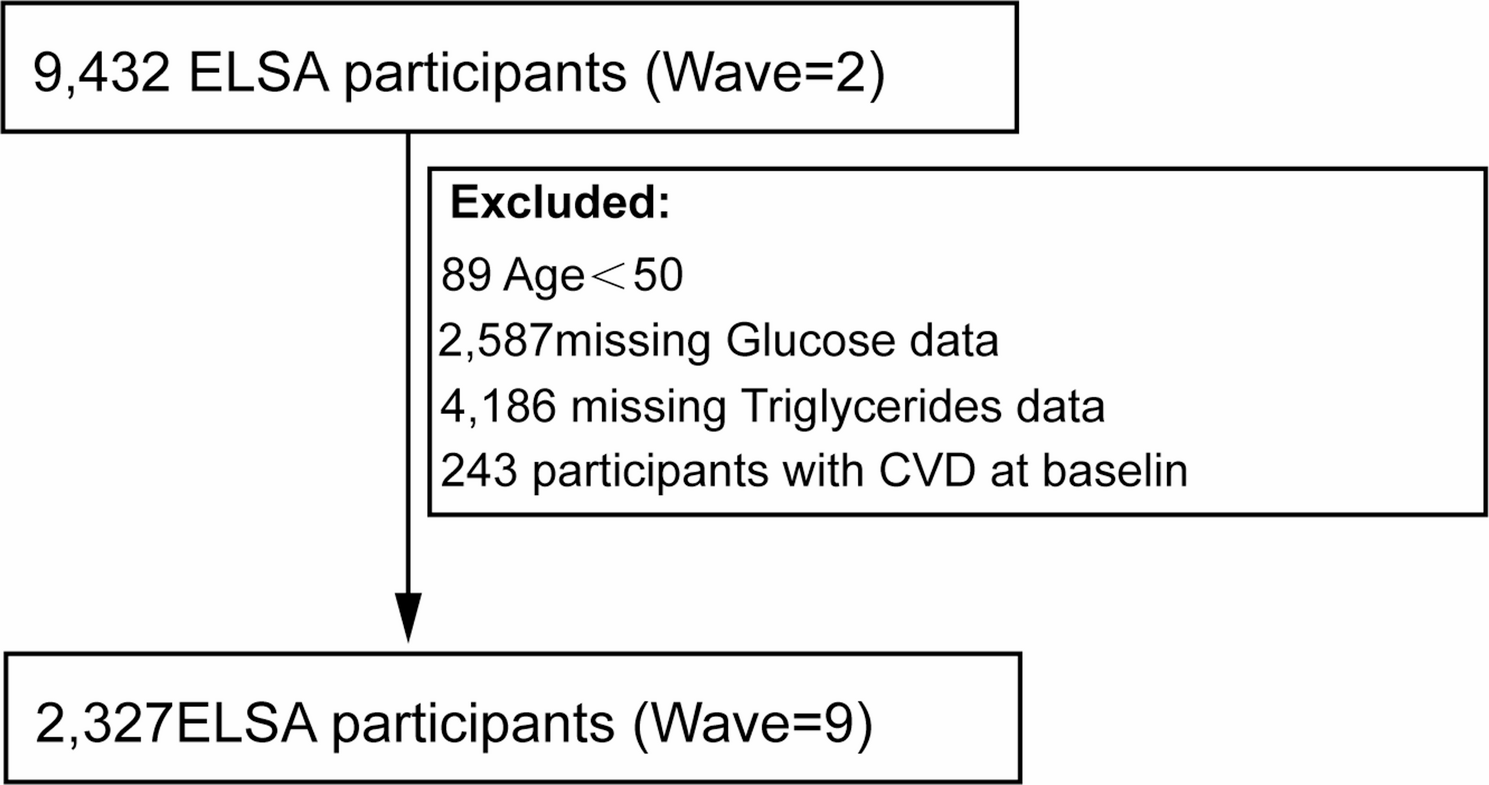
The observational cohort study analysed 1,776 adults aged 50 or older in the English Longitudinal Study of Ageing, all free of cardiovascular disease at baseline. Researchers matched 470 people who later reported cardiovascular disease—conditions affecting the heart or blood vessels—with 1,306 controls, using data from 2004 to 2018.
They tracked the triglyceride-glucose index, an indirect measure of insulin resistance, when the body responds poorly to insulin, a hormone that controls blood sugar. The index rose more steeply before the first disease report in the disease group, while the control group’s pattern stayed flat. It fell abruptly at the first report and continued declining afterwards. Excluding people taking medicines to lower blood fats or sugar weakened the later decline, suggesting medicines may have contributed.
Why it matters
Insulin resistance is linked to cardiovascular disease risk. The work addresses whether tracking an indirect measure of it over time could complement risk assessment in aging populations.
Caveats
This retrospective observational analysis cannot establish causes or show that the marker predicts disease in advance; measurements were aligned to first disease reports, not necessarily disease onset. The findings need prospective validation.
From the paper
- Participants
Among 2327 eligible participants, 470 incident CVD cases were matched to 1306 controls (analytical cohort n = 1776).
Quoted word for word from the full text on link.springer.com.
- Cardiovascular disease
- Triglyceride-glucose index
- Hypertension
- Post-event triglyceride-glucose index trajectory
- Pre-event triglyceride-glucose index trajectory
- Humans
The paper
North Sichuan Medical University
Cardiovascular Diabetology, 14 Oct 2026, Open access, CC BY-NC-ND