A heart-secreted protein limits heart dysfunction in mice
Eight weeks after artery-narrowing surgery, maximum treadmill distance was 457 meters in mice producing extra heart-secreted protein versus 238 meters in controls subjected to the same surgery.

Our read
Interventions- Studied:
- Experiments in mice, eight weeks, against controls
- What changed:
- Fractional shortening was higher in mice producing extra PLBD1: 58% against 44% in controls
- The catch:
- Only seven or eight mice per group in the heart-function experiment
Editor of record: Boris Djordjevic · AgingResearch.News
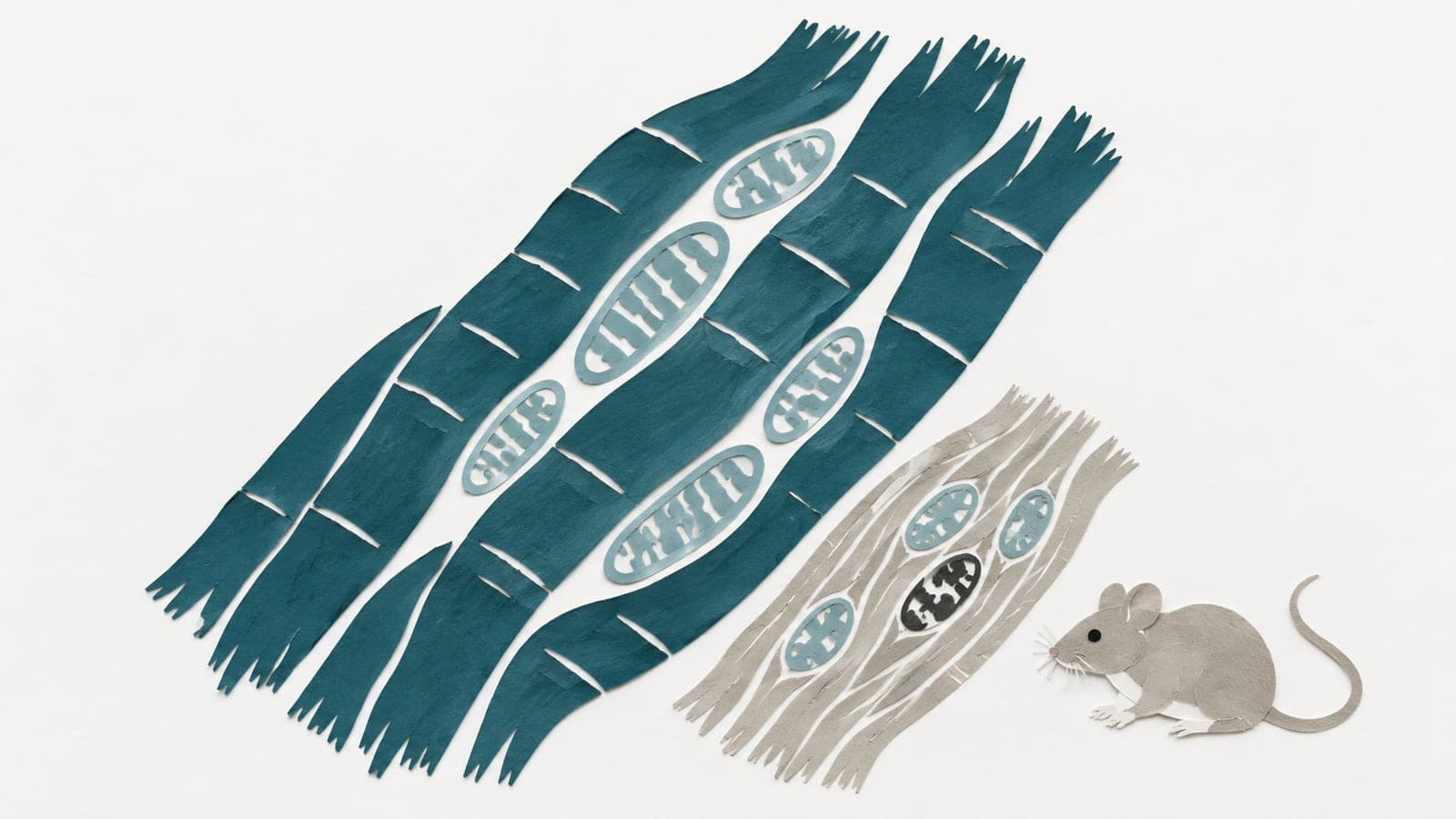
Mice received a gene-delivery virus that increased heart production of PLBD1, a secreted protein, in an animal experiment. Groups contained seven or eight mice. The researchers then surgically narrowed the aorta, the main artery leaving the heart, to increase pressure on the heart. Eight weeks later, mice producing extra PLBD1 retained more exercise capacity than controls. Fractional shortening, a measure of heart contraction, was 58% versus 44% in controls.
The team identified PLBD1 through studies of proteins released by mouse hearts and newborn rat heart muscle cells grown in the lab. PGC-1α, a regulator of energy metabolism, increased PLBD1 production in the rat cells. In those cells, PLBD1 increased activity of genes involved in fat use and boosted mitochondrial respiration, an energy-releasing process inside cells.
Why it matters
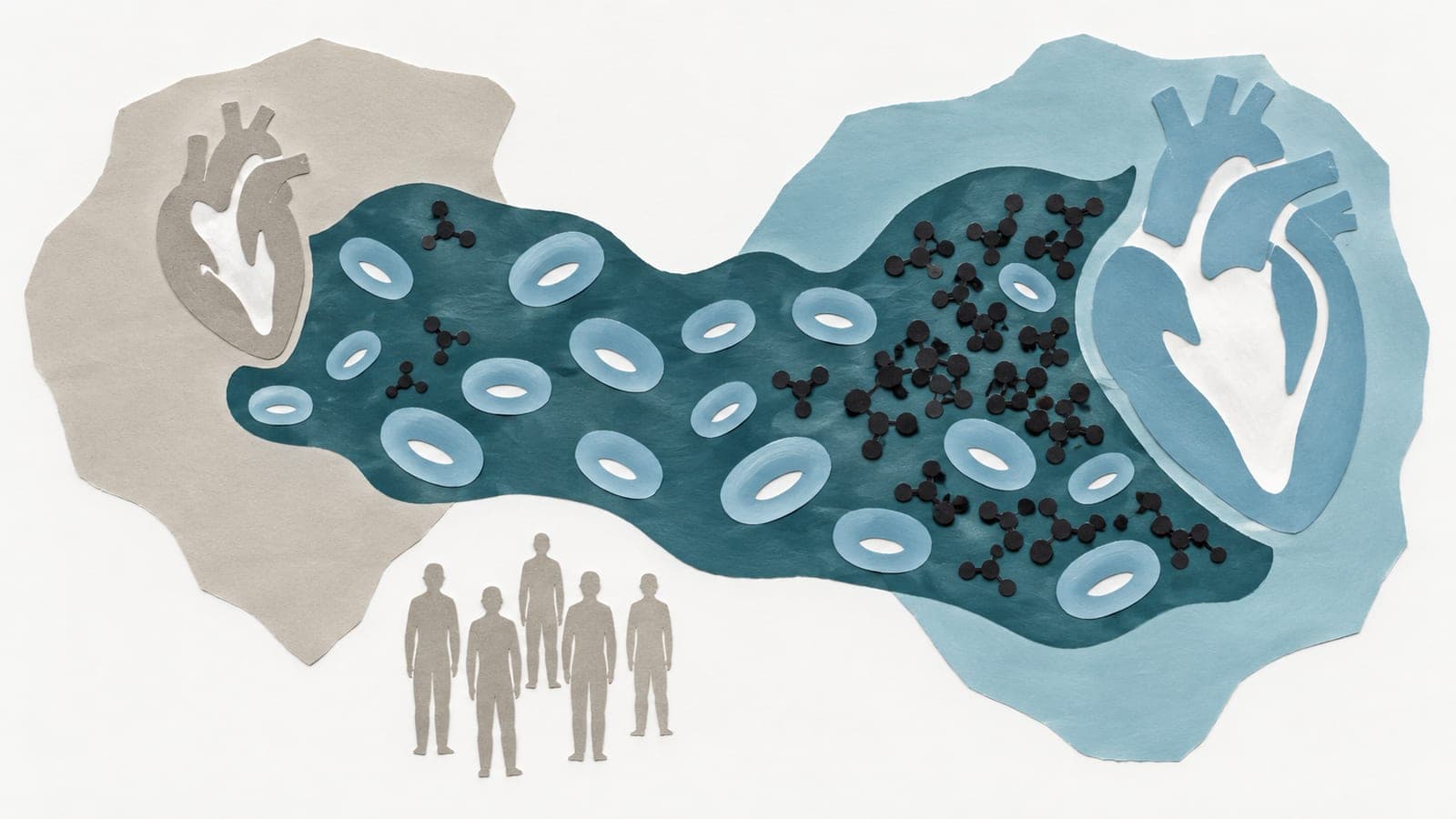
Heart failure is an age-related health concern. The work addresses how exercise-related changes in heart metabolism might contribute to protection against it.
Caveats
Gene delivery preceded the pressure-overload surgery, so the experiment tested protection against later dysfunction rather than treatment of established heart failure. The heart-function results came from groups of seven or eight mice.
The paper
University of Virginia; Dana-Farber Cancer Institute
AHA Scientific Sessions 2026 Abstract, Nov 2, 2026
Presented at AHA Scientific Sessions 2026, abstract 11270

Comments
Be the first to comment.