Within-ejaculate sperm selection in humans acts against molecular signatures of age-related disease
Abstract
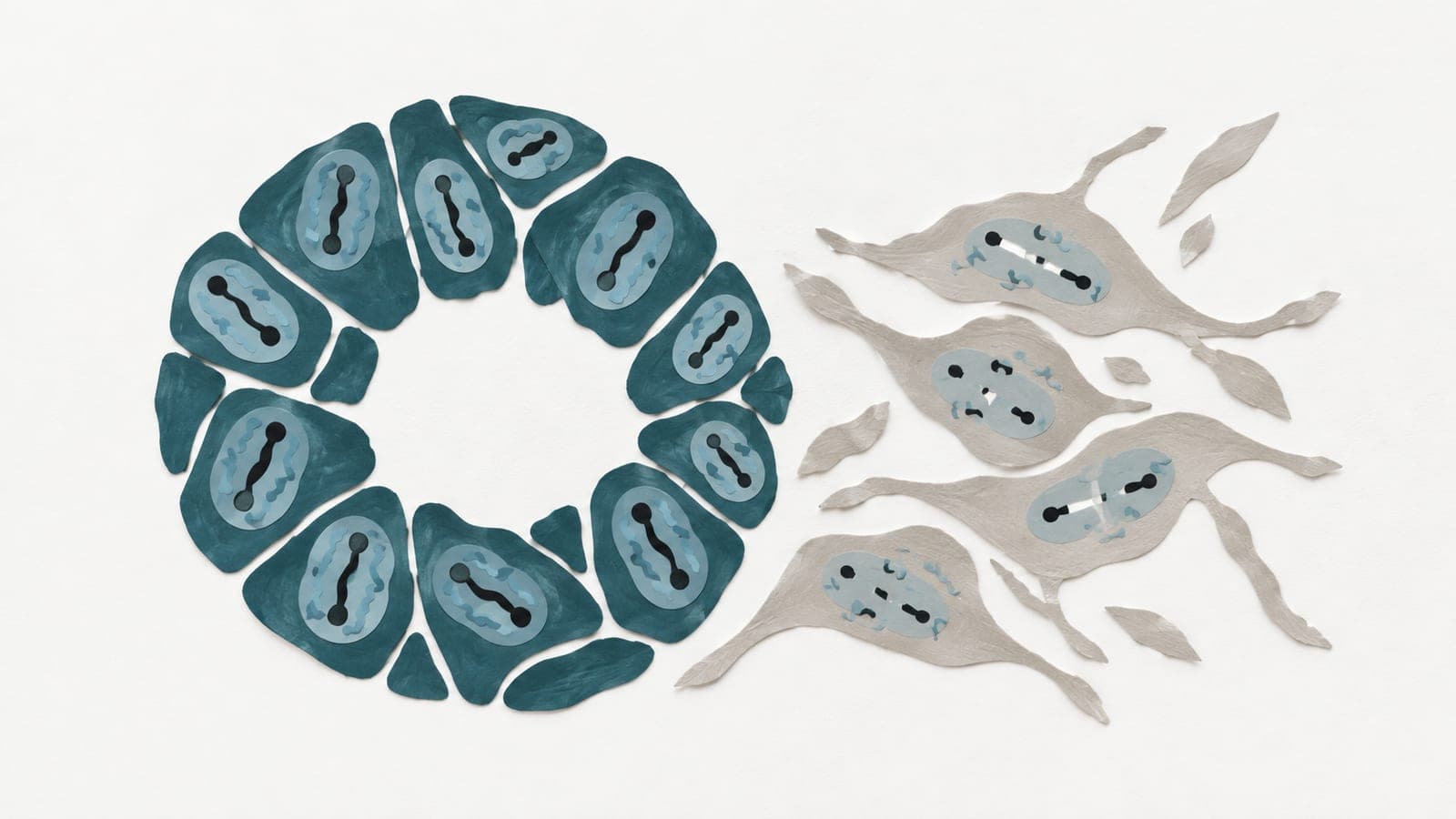
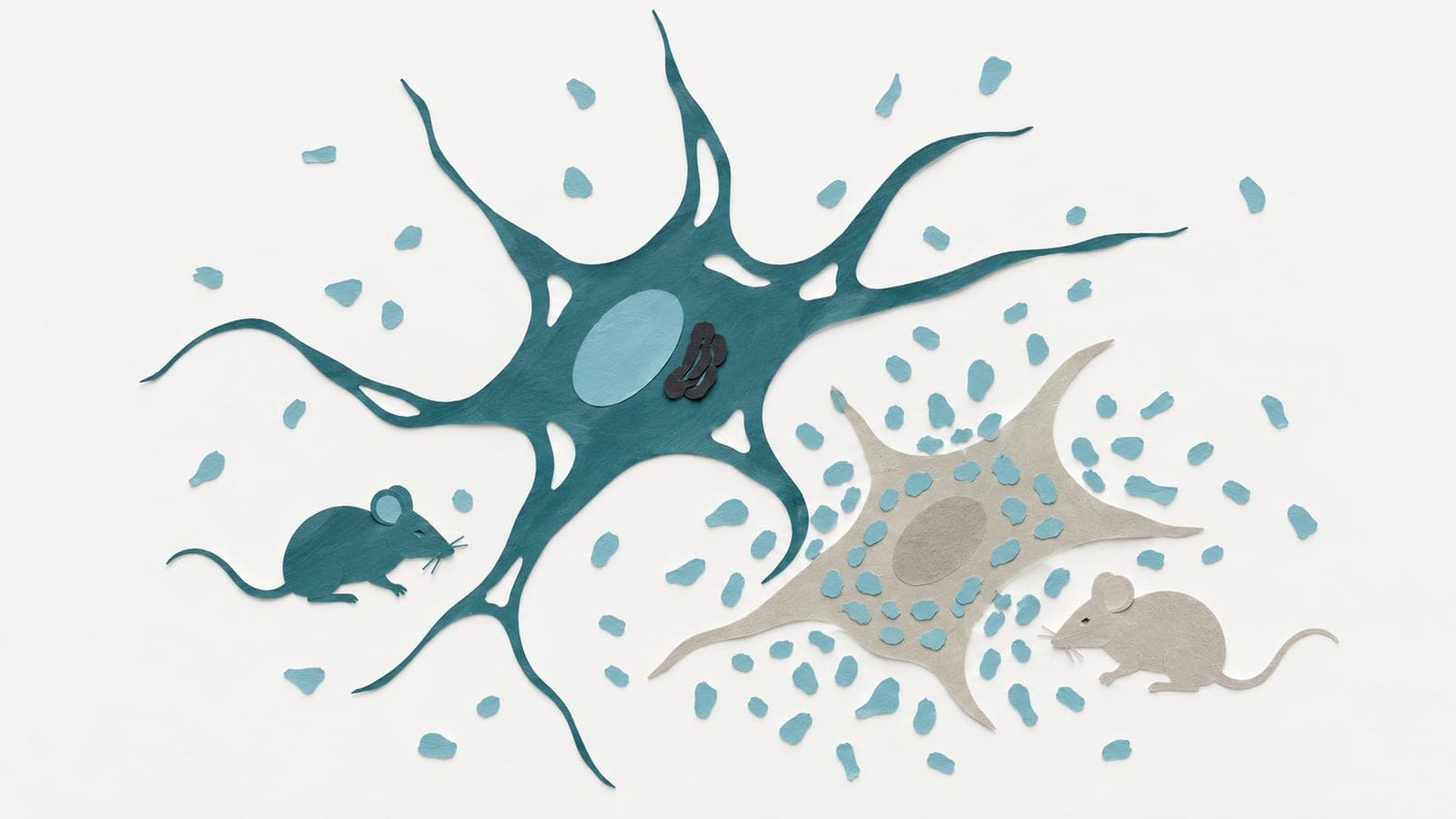
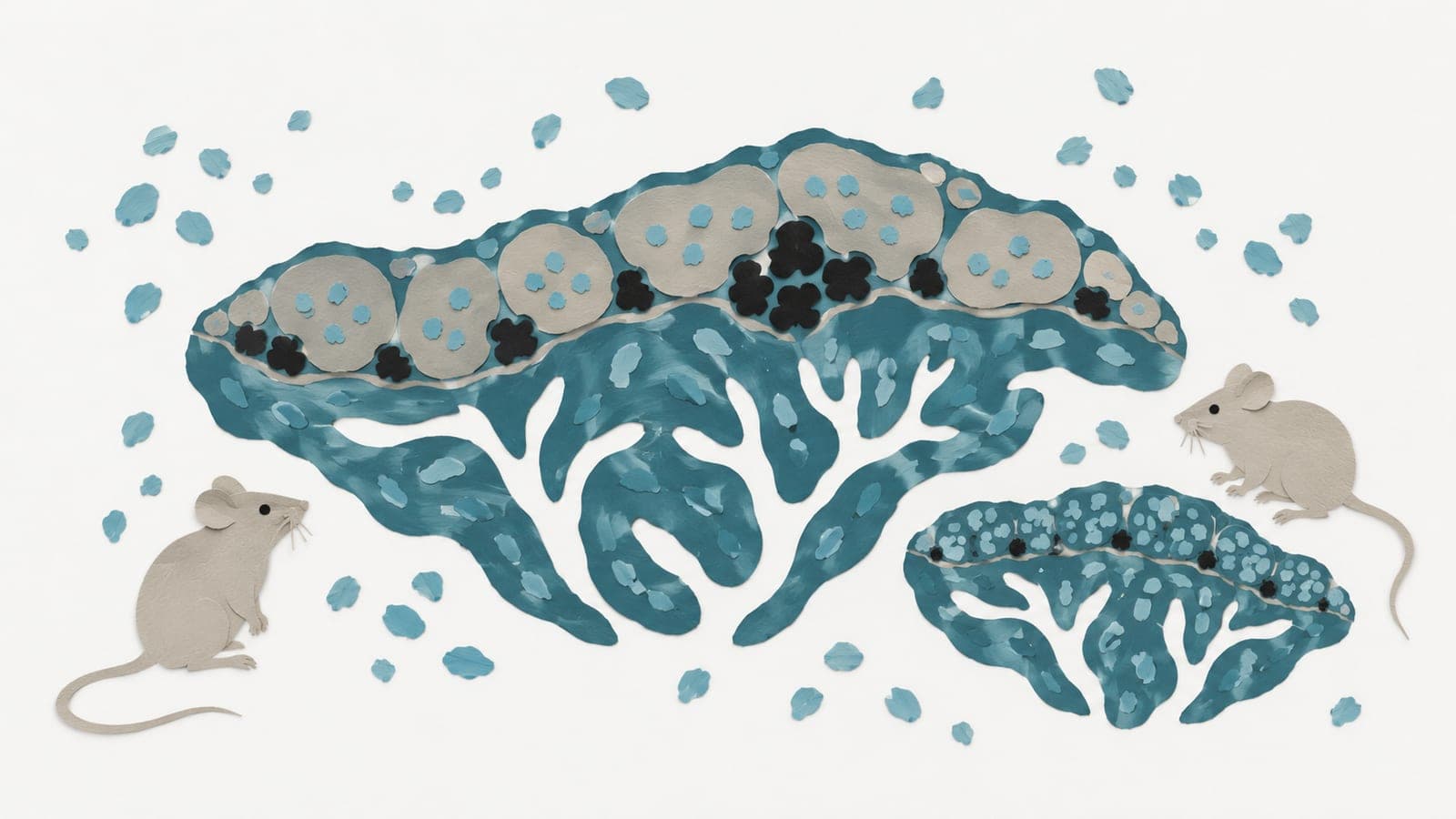
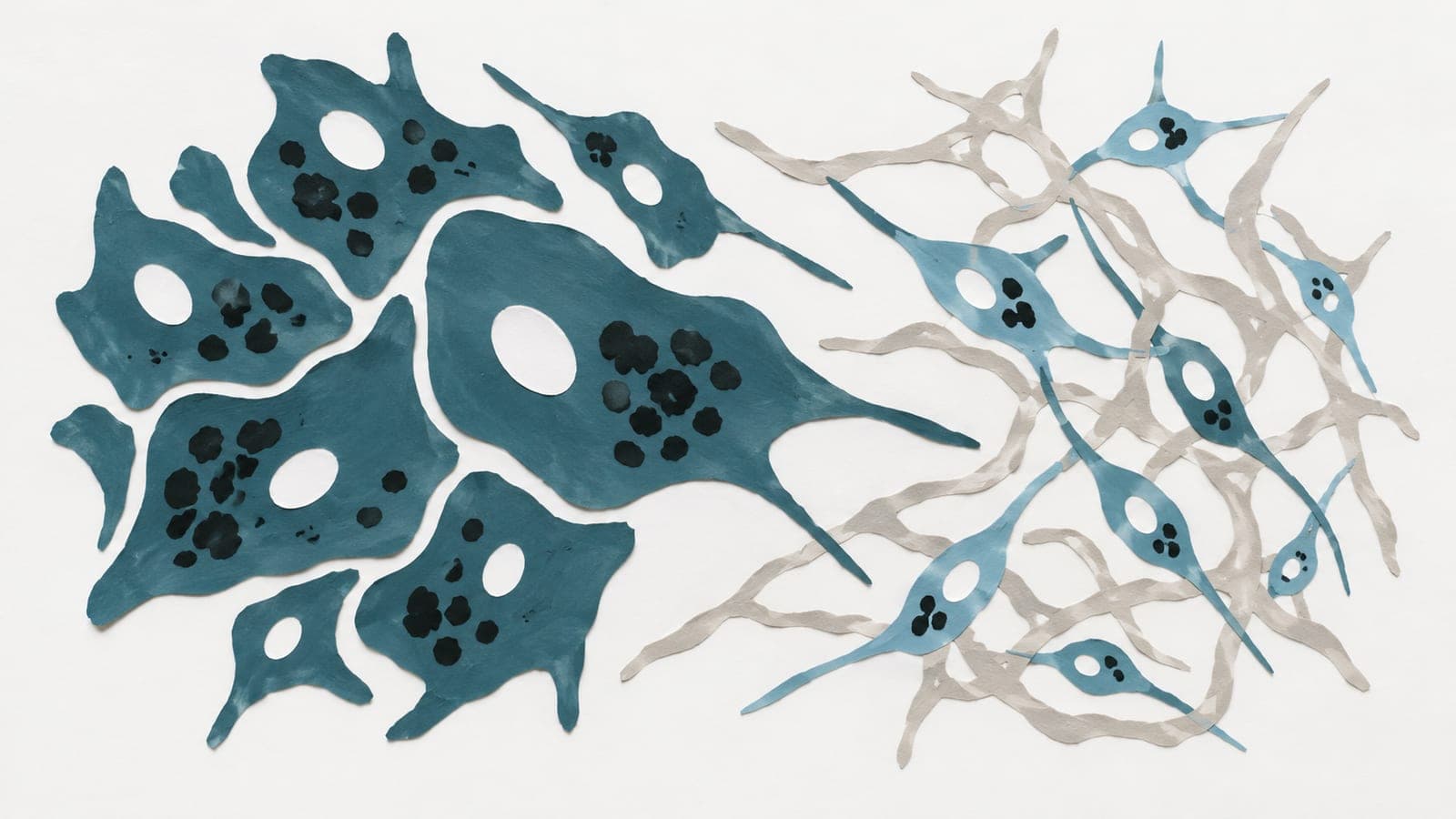
Abstract The germline is widely regarded as a checkpoint against the inheritance of damaged genomes, yet the mechanisms that could enact such filtering remain poorly resolved. Of the millions of sperm in a human ejaculate, only one fertilises the egg, creating a strong opportunity for selection among gametes. Combining within-ejaculate selection on sperm quality with whole-genome sequencing and proteomics in healthy donors, we find that this selection is biased against molecular signatures of age-related disease. The most reproducibly diverging genes are tumour suppressors, and genes diverging under sperm longevity-based selection are enriched for senescence-associated genes involved in genome maintenance and oxidative stress response. High-quality sperm are further depleted of inflammation- and cancer-associated proteins. This genomic signature is conserved in zebrafish, in which longer-lived sperm sire longer-lived offspring. We propose that within-ejaculate selection acts as a pre-fertilisation filter against age-related disease alleles, with implications for offspring lifespan and healthspan.
- Within-ejaculate sperm selection
- Cellular senescence
- Inflammation
- Molecular signatures of age-related disease
- Cancer
- Humans
The paper
University of East Anglia
bioRxiv, Oct 9, 2024, Open access, Preprint, not peer-reviewed