Gut bacterial product changes blood fat levels in mice
Mice given a bile acid made by the gut bacterium Ruminococcus gnavus developed blood fat disturbances.
Our read
Mechanisms- Studied:
- Experiments in mice colonized with engineered bacteria (Independent replication)
- What changed:
- Mice colonized with isoCDCA-producing bacteria had higher total and LDL cholesterol than mice given vector-control bacteria
- The catch:
- No R. gnavus knockout isolated whether its lipid effects require isoCDCA production
Editor of record: Boris Djordjevic · AgingResearch.News
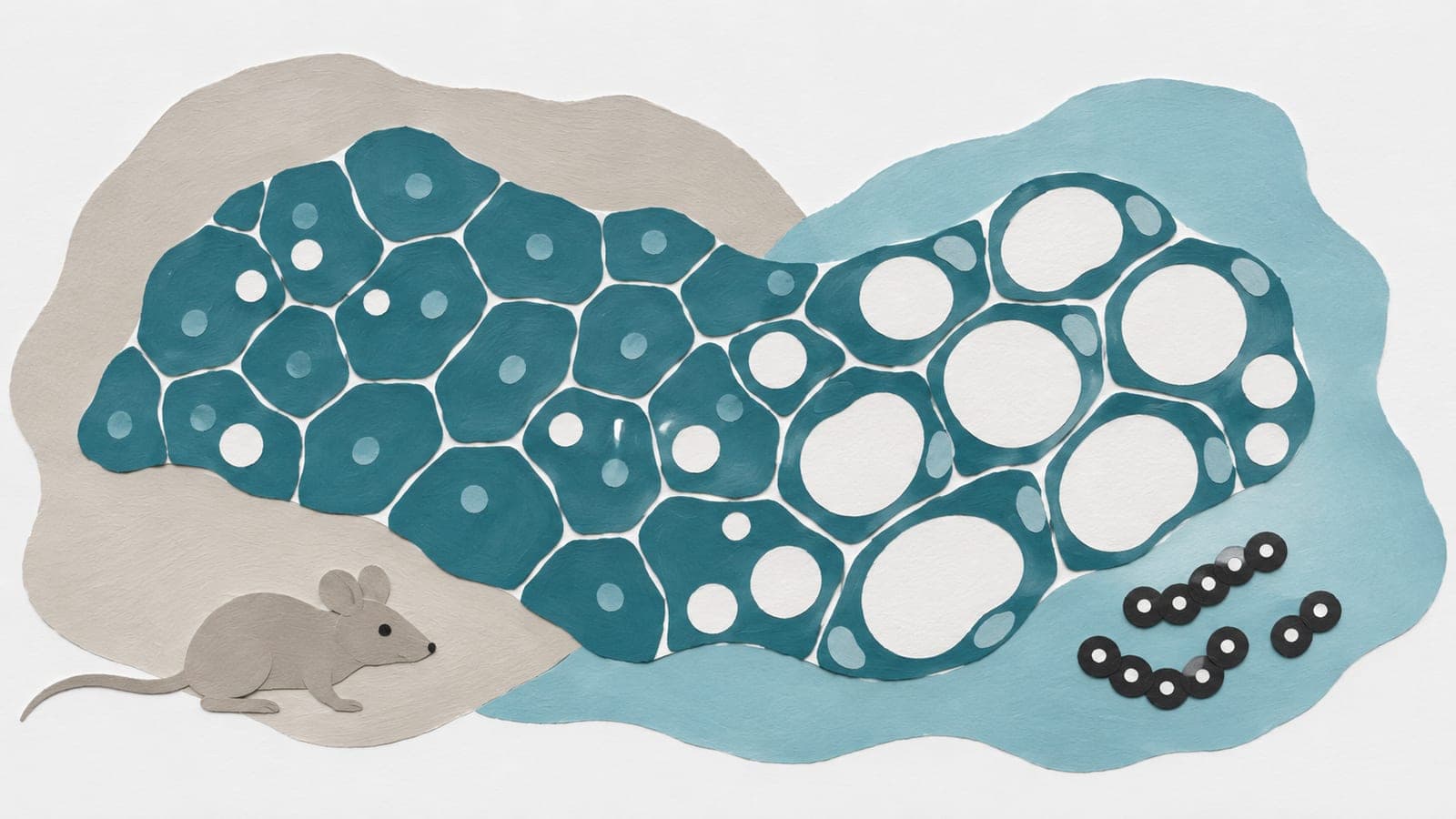
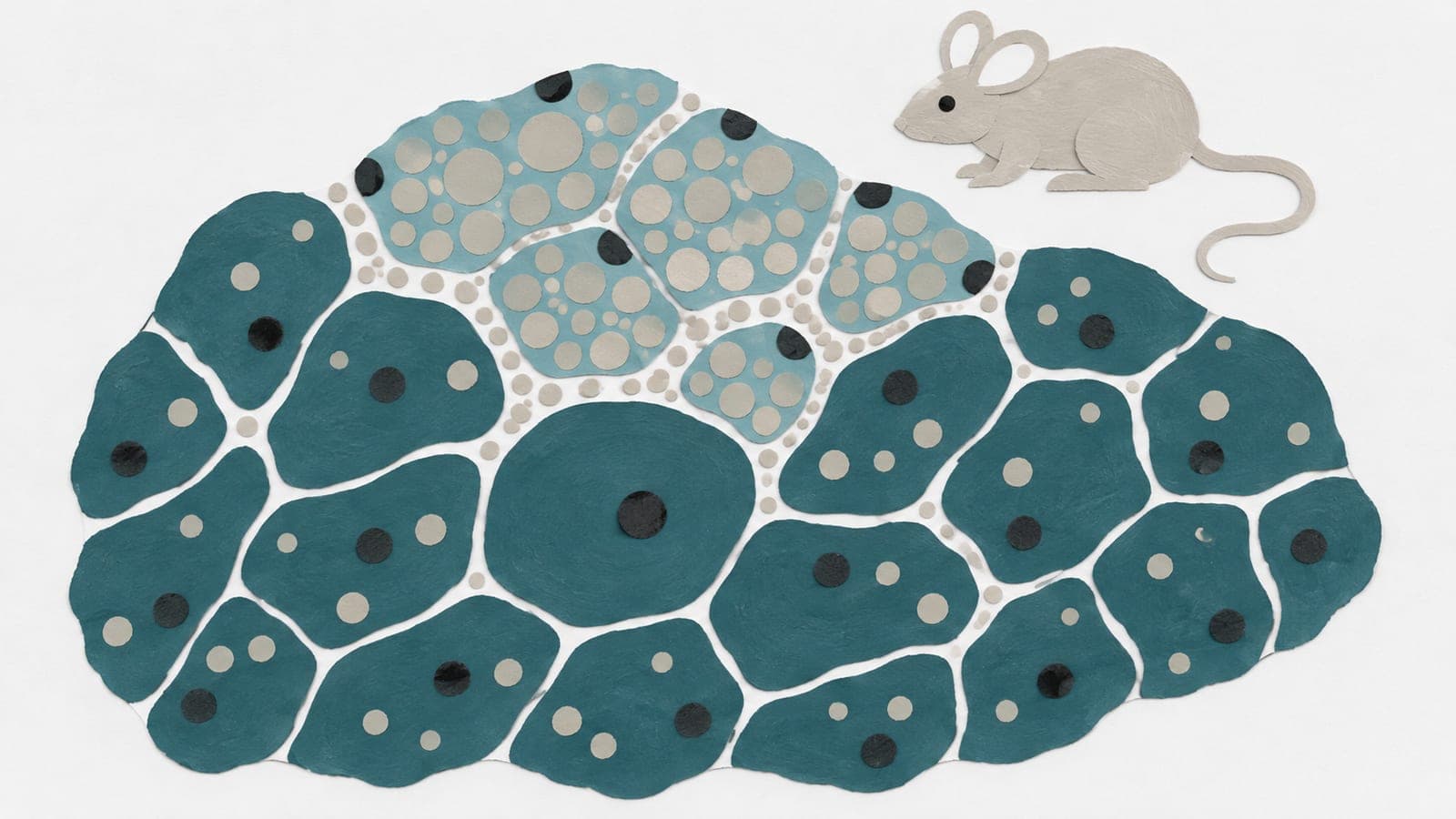
Mice on normal or high-fat diets received the gut bacterium Ruminococcus gnavus in laboratory experiments. They developed changes in blood fats and liver function measures, alongside fat buildup in their livers. The bacterium converted a bile acid—a substance involved in digesting fats—into isochenodeoxycholic acid. Giving this product orally to mice reproduced key blood fat disturbances. In liver cells grown in the lab, it also promoted fat buildup.
Comparisons of 92 people undergoing routine health examinations found more of the bacterium in stool from people with high total and LDL cholesterol, the latter often called “bad” cholesterol. This held in normal-weight and overweight groups. A separate analysis of 1,137 people linked higher blood levels of the bile acid to higher total cholesterol, LDL cholesterol and triglycerides, another type of blood fat.
Why it matters
Cholesterol metabolism matters for cardiovascular disease, an age-related health concern. The authors identify this bacterial pathway as a potential target for preventing or treating high blood fats.
Caveats
The authors note that the bile acid produced these effects, but they did not establish whether it was required for the bacterium’s effects. The human comparisons excluded people taking drugs that affect blood fats.
From the paper
- Limitation
First, species-level identification in the discovery cohort relied on V3–V4 16S rRNA gene sequencing, whereas the mouse experiments used the type strain ATCC 29149.
Quoted word for word from the full text on tandfonline.com.
- Ruminococcus gnavus
- Escherichia coli
- Lipid and ceramide metabolism
- Microbiome composition
- Isochenodeoxycholic acid
- Mice
The paper
Impact of Ruminococcus gnavus on lipid metabolism via isoCDCA
The First Affiliated Hospital of Guangdong Pharmaceutical University
Gut Microbes, Nov 10, 2026, Open access, CC BY-NC
Comments
Be the first to comment.