Gut microbe score linked to diet and fitness in adults
An observational study of 893 adults found diet and lifestyle links in both disease-free participants and people with common medical conditions.
Our read
Biomarkers- Studied:
- Cross-sectional study of 893 adults who underwent medical check-ups
- What changed:
- Gut microbial health index was higher with better diet and physical fitness, and lower with ultra-processed foods
- The catch:
- Classifying ultra-processed foods carries uncertainty because exact processing methods are unknown
- In the record:
- The 101st paper on dietary fiber with results in people; 271 on record in all.
Editor of record: Boris Djordjevic · AgingResearch.News
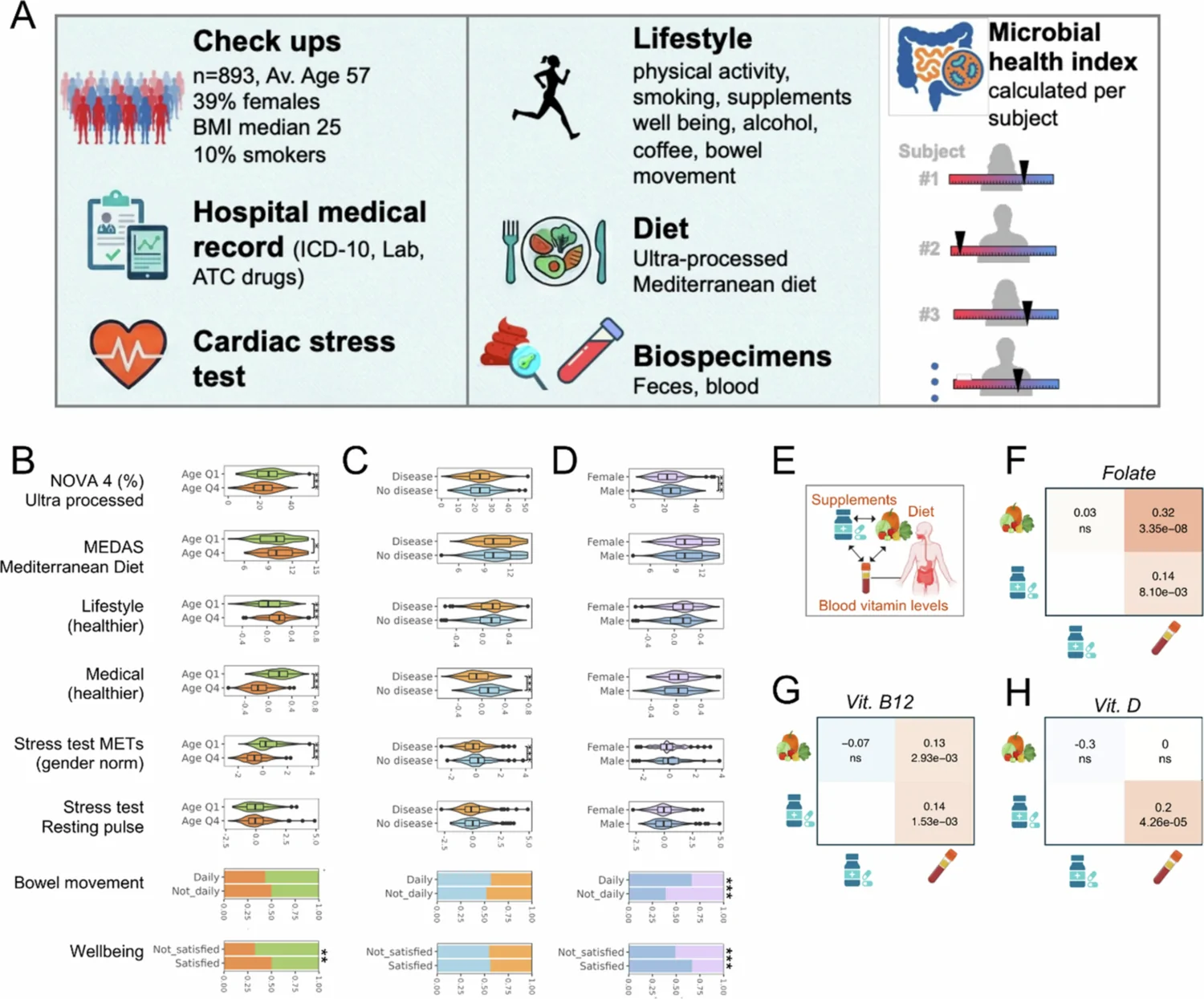
The 893 adults in this observational study underwent annual executive medical checkups; their average age was 57, and 61% were male. Researchers combined stool samples, diet and lifestyle questionnaires, blood tests and exercise stress tests. They assessed a gut microbial health index, a score developed from studies of people with various diseases. Higher values indicate a less disease-related mix of gut microbes.
Higher scores were associated with more fiber, better exercise capacity and greater reported well-being. Lower scores were linked to more ultra-processed food and higher levels of inflammation markers, mostly within normal ranges. The diet and lifestyle links persisted among people without disease and those with common conditions, including high blood pressure and abnormal blood fat levels.
Why it matters
The authors suggest that gut microbes could serve as an indicator of overall health in aging adults, including those with common medical conditions.
Caveats
The checkup-based comparisons could not rule out existing health differences influencing both diet and gut microbes. The associations were modest, and the analysis excluded stool samples collected within four weeks of antibiotic use.
From the paper
- Participants
We analyzed 893 participants who underwent annual Executive Medical Checkups (61% male, mean age 57 ± 11 y, median BMI of 25, and 10% smokers), who submitted fecal samples (,, Dataset S1).
Quoted word for word from the full text on PubMed Central.
The paper
Human gut microbiome as a composite health biomarker
Tel Aviv University; Cincinnati Children's Hospital Medical Center
Gut Microbes, Aug 20, 2026, Open access


Comments
Be the first to comment.