Amyloid linked to reduced mitochondrial cleanup in neurons
Experiments in neuronal cells linked amyloid precursor protein and one amyloid fragment to reduced removal of damaged mitochondria, the cells’ energy-producing structures.
Edited by Boris Djordjevic · AgingResearch.News
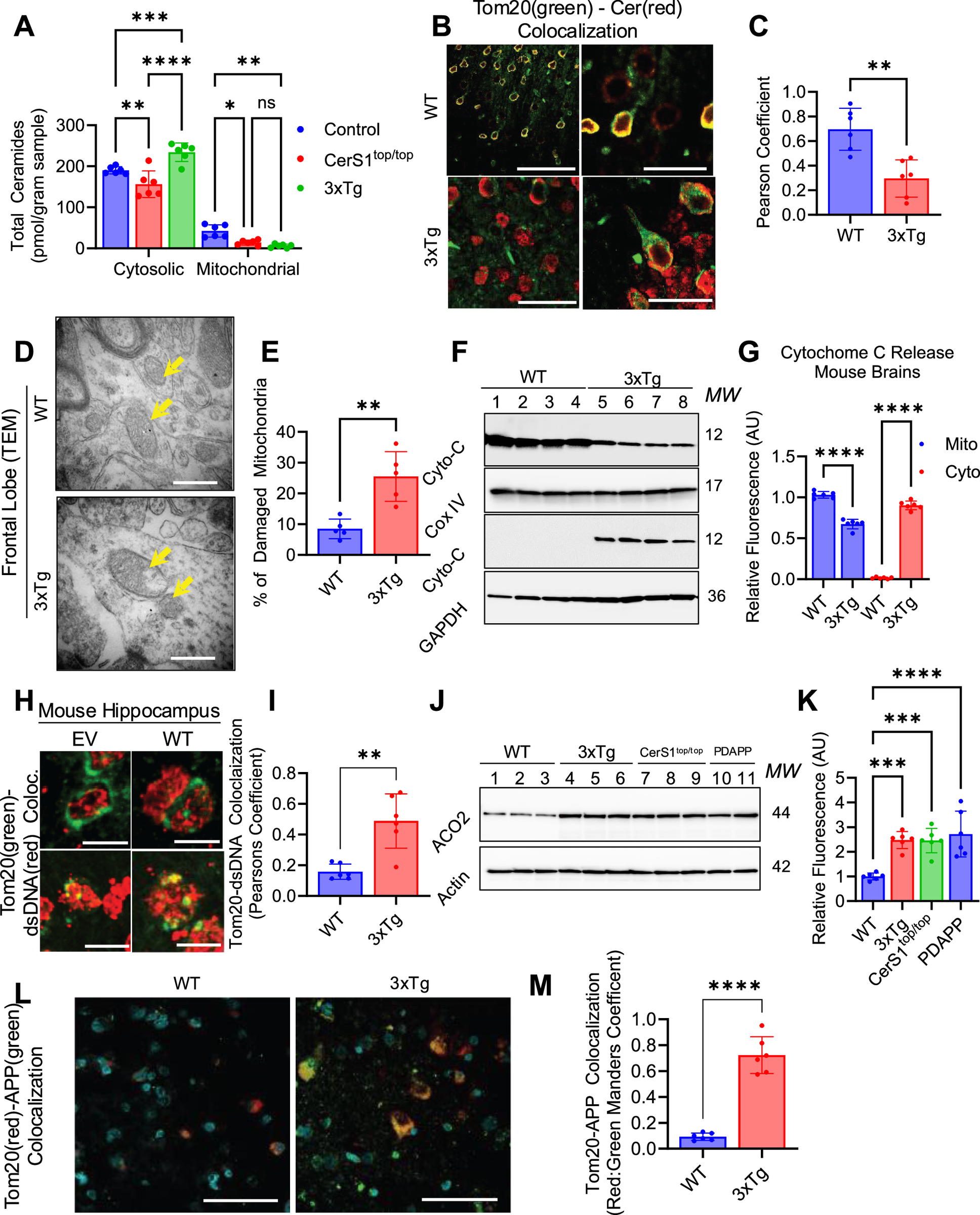
Experiments in neuronal cells and mice, alongside analyses of human Alzheimer’s disease tissues, examined mitophagy, the removal of damaged mitochondria. In healthy aging neurons, the presence of ceramide synthase 1, an enzyme, in mitochondria accompanied increases in a fat molecule and mitophagy.
In the Alzheimer’s systems studied, amyloid precursor protein or its fragment amyloid beta 40, but not amyloid beta 42, showed greater proximity to or association with mitochondrial proteins. This accompanied less mitochondrial accumulation of the enzyme and fat, and reduced mitophagy. The nanoparticle Pen-Cera-LCL768 accumulated in the brain after administration through the nose. It increased mitophagy-related measures, reduced amyloid plaques and improved behavioral performance in aged mice from two models.
Why it matters
Alzheimer’s disease is an age-related brain disease. The work explored how amyloid proteins may connect disturbances in mitochondrial fats with reduced removal of damaged mitochondria.
Caveats
The treatment results came from mouse experiments, not human trials. A drug weakened treatment effects in one mouse model, but its lack of specificity limited conclusions about whether those effects depended on mitophagy.

Comments
Be the first to comment.