Researchers propose links between bone and nerve cell decline
An integrated analysis supported a proposed framework involving fat-related stress, cell recycling and inflammation, generating hypotheses for further testing.
Limit: Macrophage inflammation and recycling changes were proxies for bone and nerve cell decline
Edited by Boris Djordjevic · AgingResearch.News
Experiments in RAW264.7 macrophages, a type of immune cell, formed part of a study combining population analyses, molecular data from different tissues and mathematical modeling. Researchers examined possible links between osteoporosis, a disease that weakens bones, and neurodegeneration, the progressive deterioration of nerve cells.
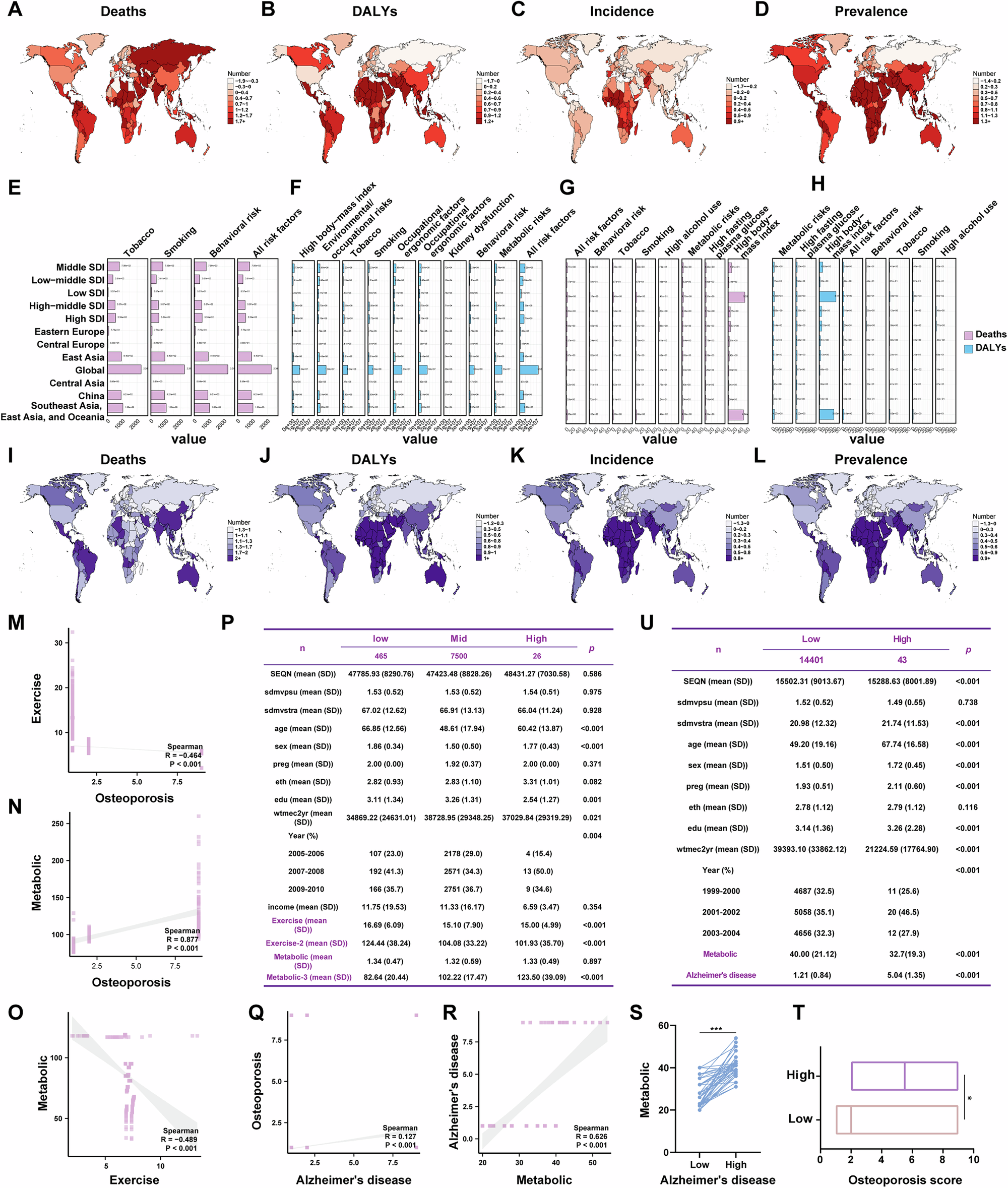
Population and genetically informed analyses linked fat-related stress to both disease groups. Tissue analyses identified shared patterns involving autophagy, cells’ recycling process, and inflammasomes, structures that activate inflammation. In the macrophages, oxidized low-density lipoprotein, a chemically altered fat-carrying particle, triggered inflammatory responses and changes associated with disrupted cell recycling. A mathematical model explored possible interactions among these processes and tissue damage. Together, the findings supported a proposed framework linking metabolic dysfunction with skeletal and neurological degeneration.
Why it matters
Osteoporosis and neurodegeneration frequently occur together with advancing age. The framework offers testable questions about biological processes that might connect them.
Caveats
The population associations cannot establish cause and effect, and the mathematical model generated hypotheses rather than testing them. The macrophage experiments do not establish effects in people.
The paper
Macau University of Science and Technology
NPJ Digital Medicine, Oct 22, 2026, Open access, CC BY-NC-ND