Alzheimer imaging dataset spans healthy aging and disease
The observational dataset includes more than 6,000 scans from 1,645 adults aged 42–97, spanning healthy aging to Alzheimer disease with symptoms.
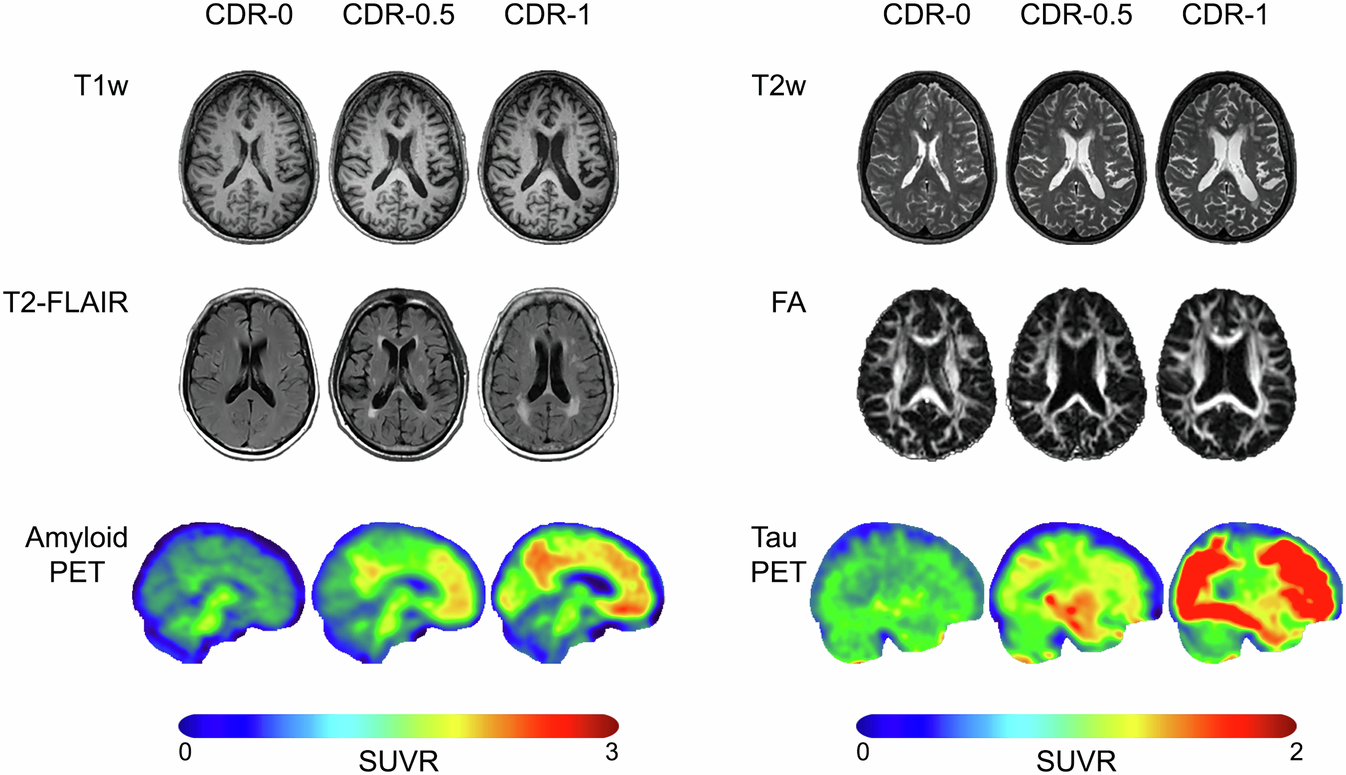
Limit: The abstract reports imaging markers tracking severity, but no treatment outcomes
Edited by Boris Djordjevic · AgingResearch.News
The Knight Alzheimer Research Imaging dataset included 1,645 adults aged 42–97, spanning healthy aging, Alzheimer disease before symptoms and symptomatic disease. This observational research resource combined repeated brain imaging with clinical assessments, measures of thinking and memory, genetic information and biological markers.
The dataset contained 6,217 imaging acquisitions, including magnetic resonance imaging and scans using tracers to assess signs of Alzheimer disease. Researchers provided both raw images and processed data that had undergone quality checks, including measurements of brain structures and disease markers. Imaging markers tracked clinical severity. The dataset was made accessible to researchers to support studies of disease development, early detection and potential therapies.
Why it matters
Alzheimer disease has a prolonged phase before symptoms appear. Combining repeated scans with cognitive and biological measures may help researchers investigate this phase and distinguish healthy aging from disease development.
Caveats
This observational resource cannot establish cause and effect or show whether a treatment works. The abstract does not report how representative participants were of the wider population.
- Resources: datasets, atlases and tools
- Alzheimer's disease
- Amyloid pathology
- Imaging biomarkers
- Tau pathology
- Humans
The paper
Washington University in St. Louis
Nature Communications, Oct 20, 2026, Open access, CC BY-NC-ND


