A liver receptor helps restore immune cells for repair in mice
Mice lacking the receptor FXR showed poorer immune cell recruitment and delayed liver regrowth after surgical removal of most of the organ.
Cell Death Discovery
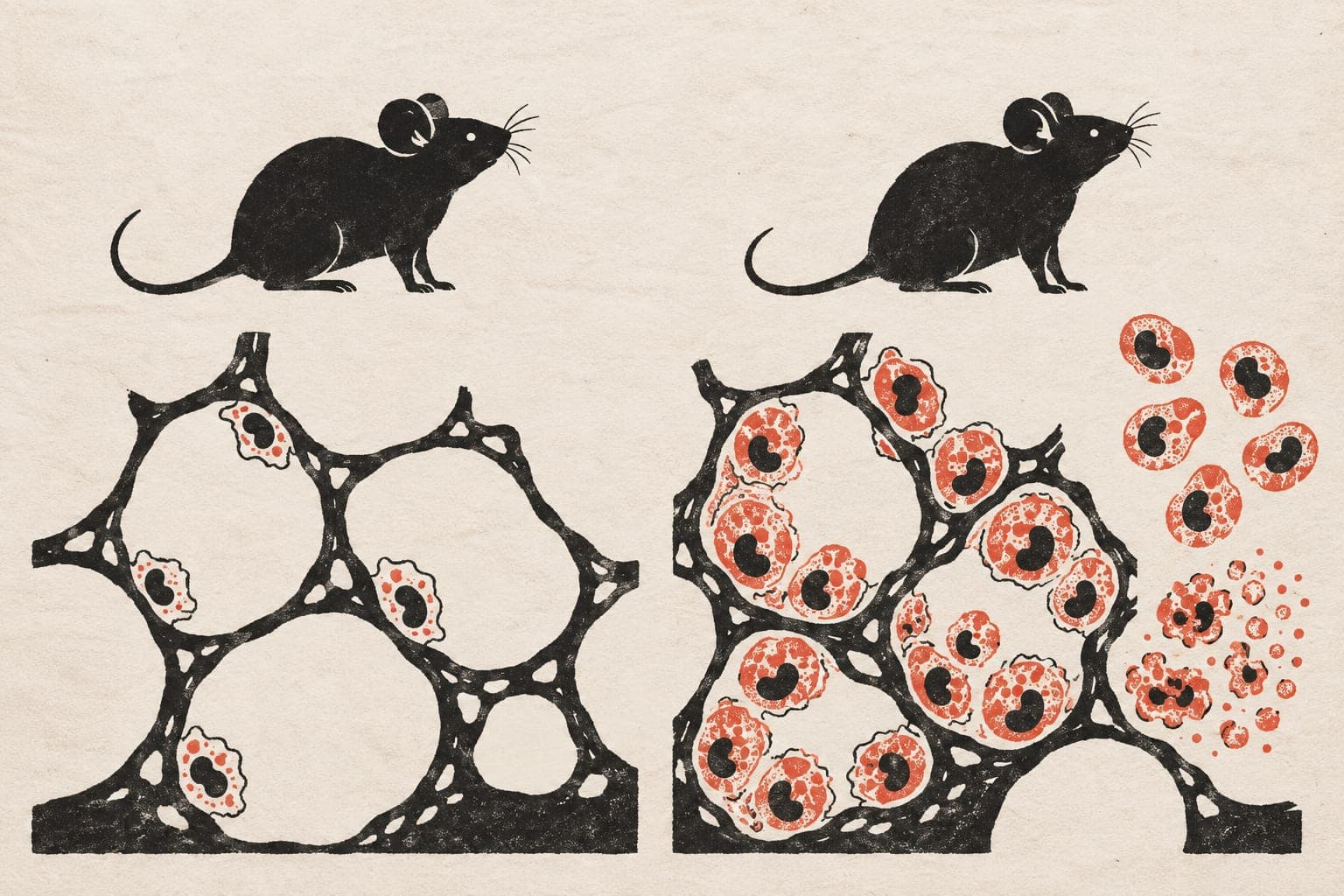
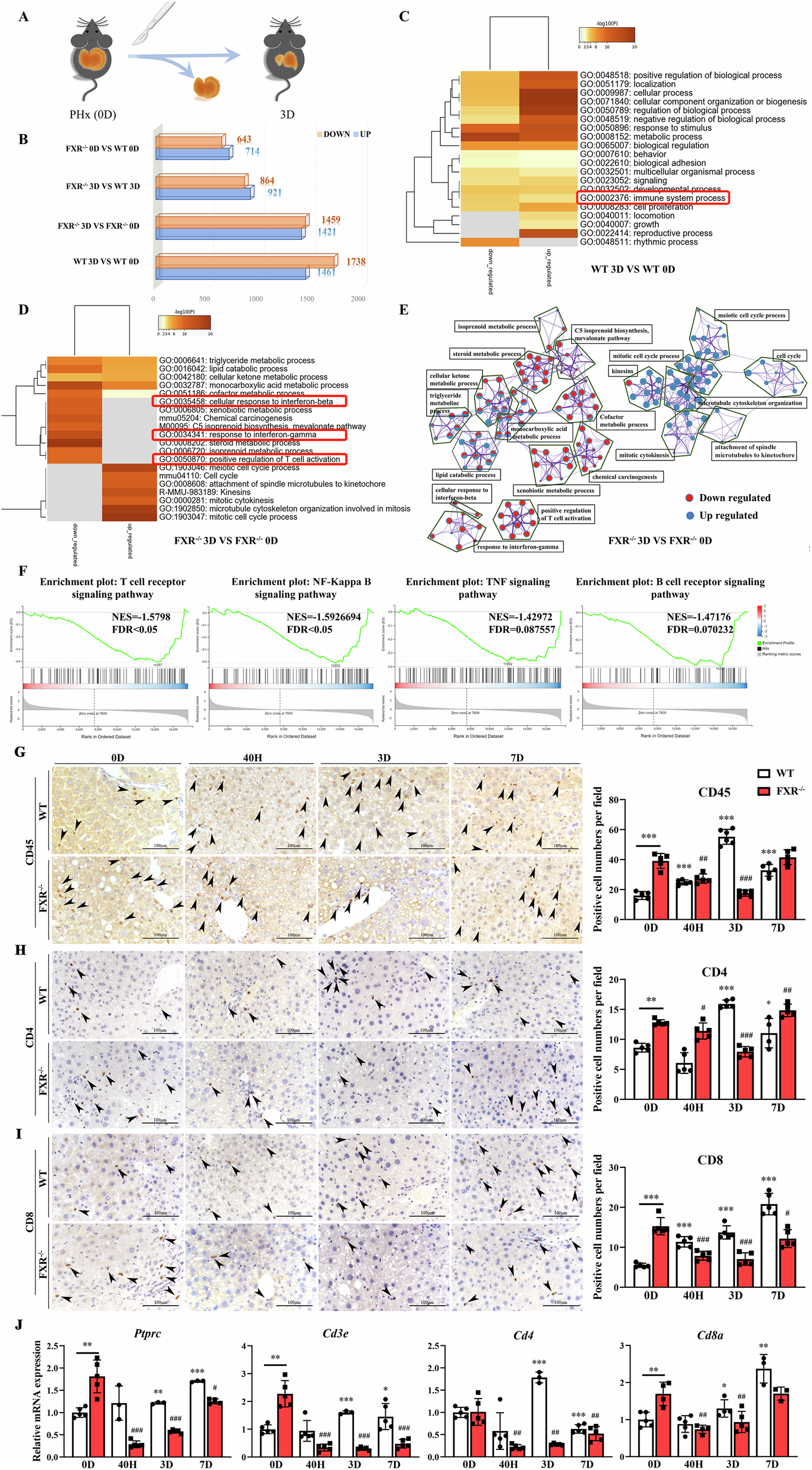
In an experiment in mice undergoing surgical removal of 70% of the liver, researchers tracked how the organ healed. In normal mice, liver regeneration prompted strong activation and infiltration of T cells and Kupffer cells, which are specialised liver immune cells. In contrast, mice lacking the farnesoid X receptor (FXR), a regulatory protein, showed weakened immune activation and reduced immune cell entry during regrowth, despite having higher baseline numbers. Regenerating livers normally replenish Kupffer cells by drawing in circulating monocytes, a type of white blood cell, and by triggering resident Kupffer cells to divide. Lacking FXR impaired both processes, which the authors report likely delayed liver regeneration. The researchers also observed that impaired monocyte recruitment in aged mice may contribute to a decline in regenerative capacity with age.
Why it matters
The ability of the liver to repair itself declines with age. Clarifying how immune cell replenishment falters in older animals points to potential pathways for improving tissue recovery following injury or surgery in aging livers.
Caveats
The findings come from an animal surgery model, and whether targeting this receptor would safely aid liver regeneration in humans remains to be tested.
The paper
An FXR-dependent cellular program for Kupffer cell pool restoration fuels liver regeneration
Ye W, Zhao Y, Wang F et al.
Cell Death Discovery · 9 Oct 2026 · CC BY