Statins plus an immune-cell molecule killed kidney cells
In kidney cell experiments, atorvastatin and fluvastatin caused cell death when combined with 25-hydroxycholesterol, a cholesterol derivative made by activated immune cells.
Limit: The kidney organoid result used KIM-1 expression as a stand-in for kidney injury
Edited by Boris Djordjevic · AgingResearch.News
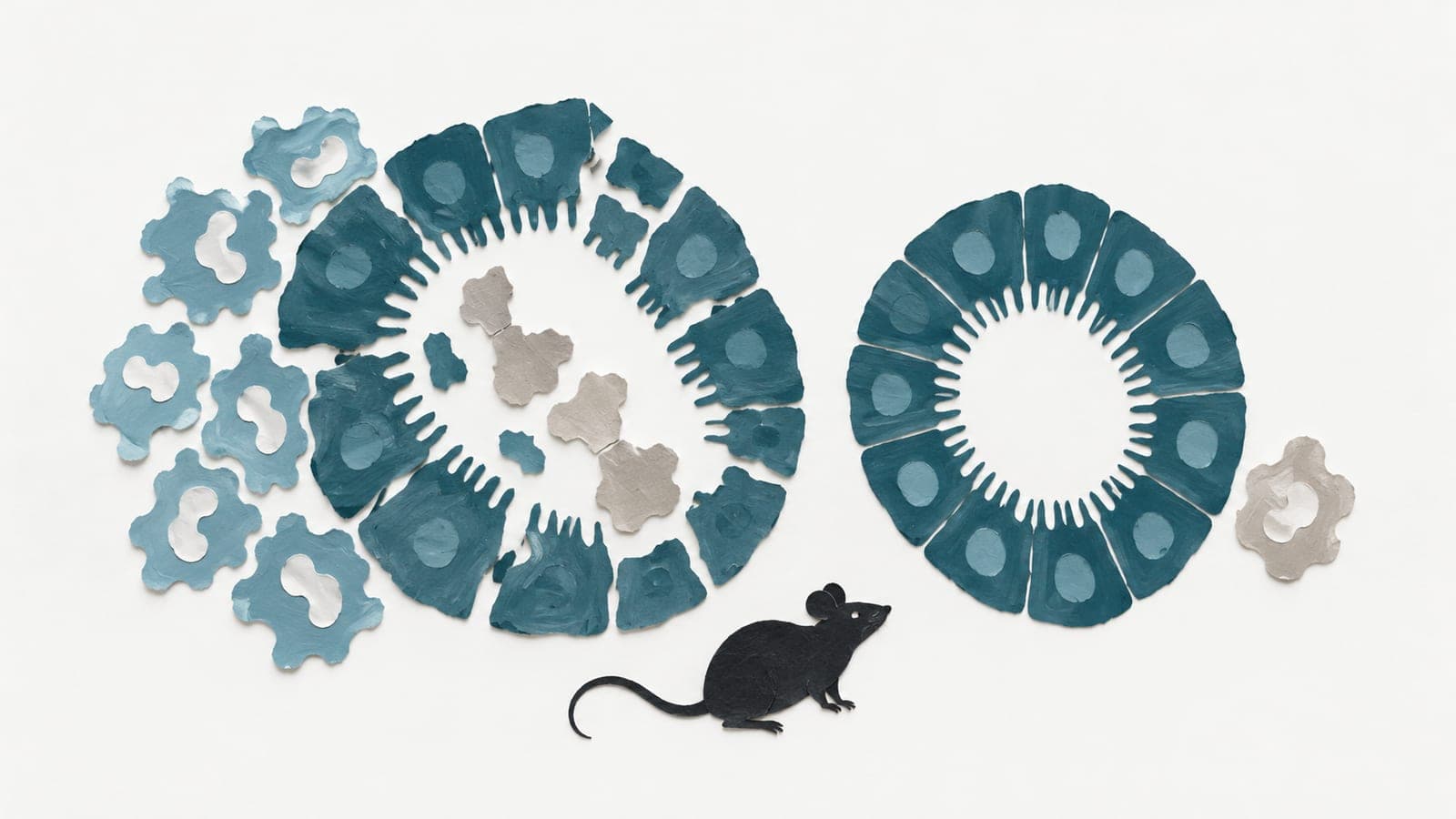
In experiments in mice and proximal tubular cells, which line the kidney’s small tubes, researchers tested an interaction between statins and 25-hydroxycholesterol, a cholesterol derivative made by activated immune cells. Atorvastatin and fluvastatin caused cell death when combined with this molecule.
In statin-treated mice, low-dose lipopolysaccharide, a bacterial molecule, triggered acute kidney injury—a sudden decline in kidney function. Supplementing mevalonate, a substance involved in cholesterol production, reduced the injury. Depleting macrophages and monocytes, the immune cells that produce 25-hydroxycholesterol, also reduced injury. In human kidney organoids—laboratory-grown kidney models made from reprogrammed stem cells—fluvastatin plus 25-hydroxycholesterol increased a marker of kidney injury. The researchers suggested that elevated levels of this molecule during infection, inflammation or major surgery may increase susceptibility to statin-induced kidney injury.
Why it matters
The proposed interaction raises a question for aging research: whether inflammatory conditions affect older people’s susceptibility to medication-related kidney injury.
Caveats
These laboratory experiments do not establish kidney injury risk in people taking statins. The paper is a preprint and has not been peer-reviewed.
The paper
Macrophage-Derived 25-Hydroxycholesterol Drives Statin-Associated Acute Kidney Injury
Yonsei University College of Medicine
bioRxiv, Oct 22, 2026, Open access, CC BY-ND, Preprint, not peer-reviewed