Brain activity changes differ from age-group patterns
A longitudinal observational analysis of the Dallas Lifespan Brain Study found substantial differences in early and middle adulthood that diminished later in life.
Paper by Fuentes M, Zhao Y
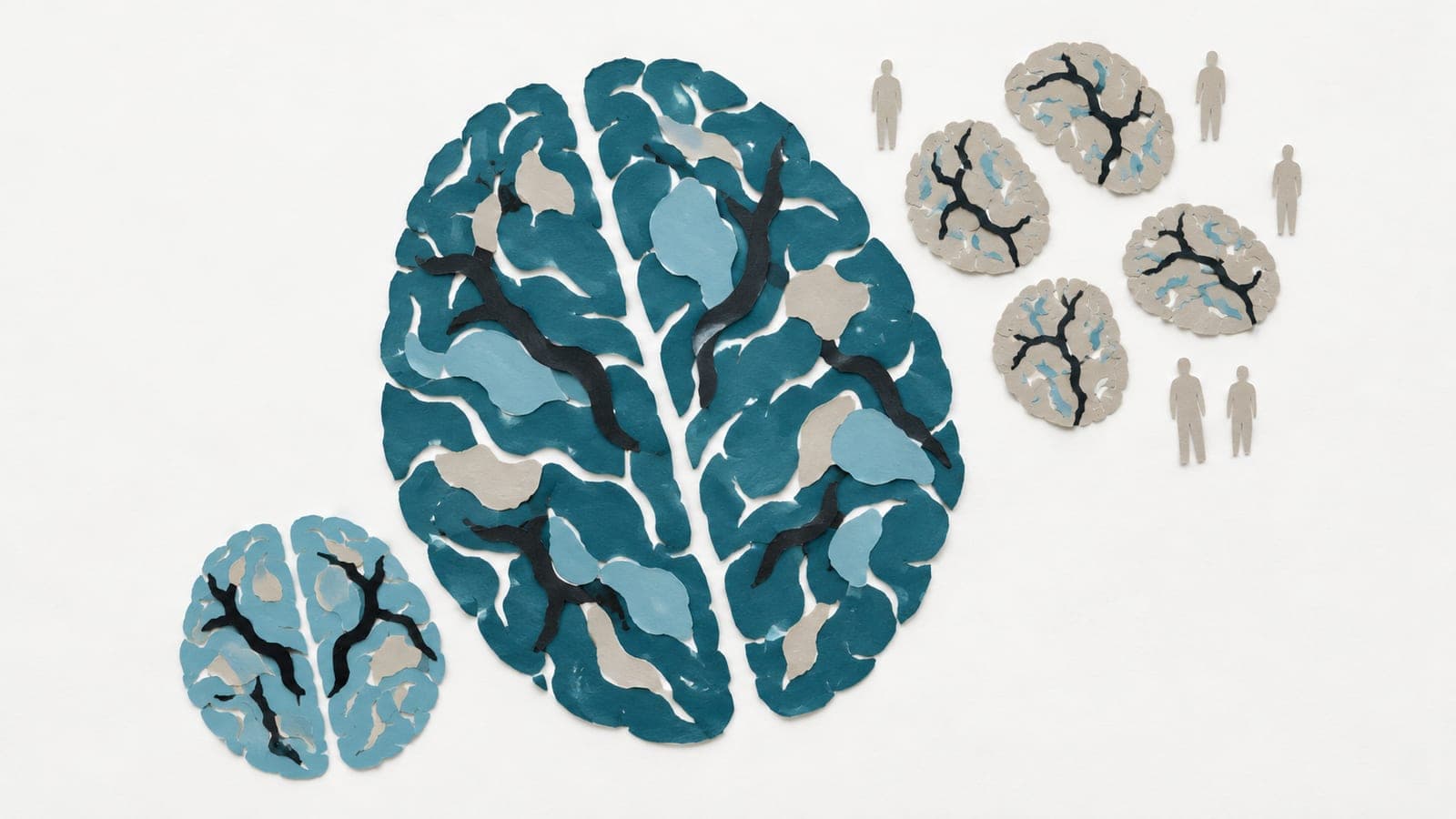
In people in the Dallas Lifespan Brain Study, researchers analysed how brain activity changed within individuals over time. This observational study used repeated brain scans taken while participants rested. The researchers developed a statistical model to track how activity in different brain areas varied together. It separated changes within individuals from differences between people of different ages.
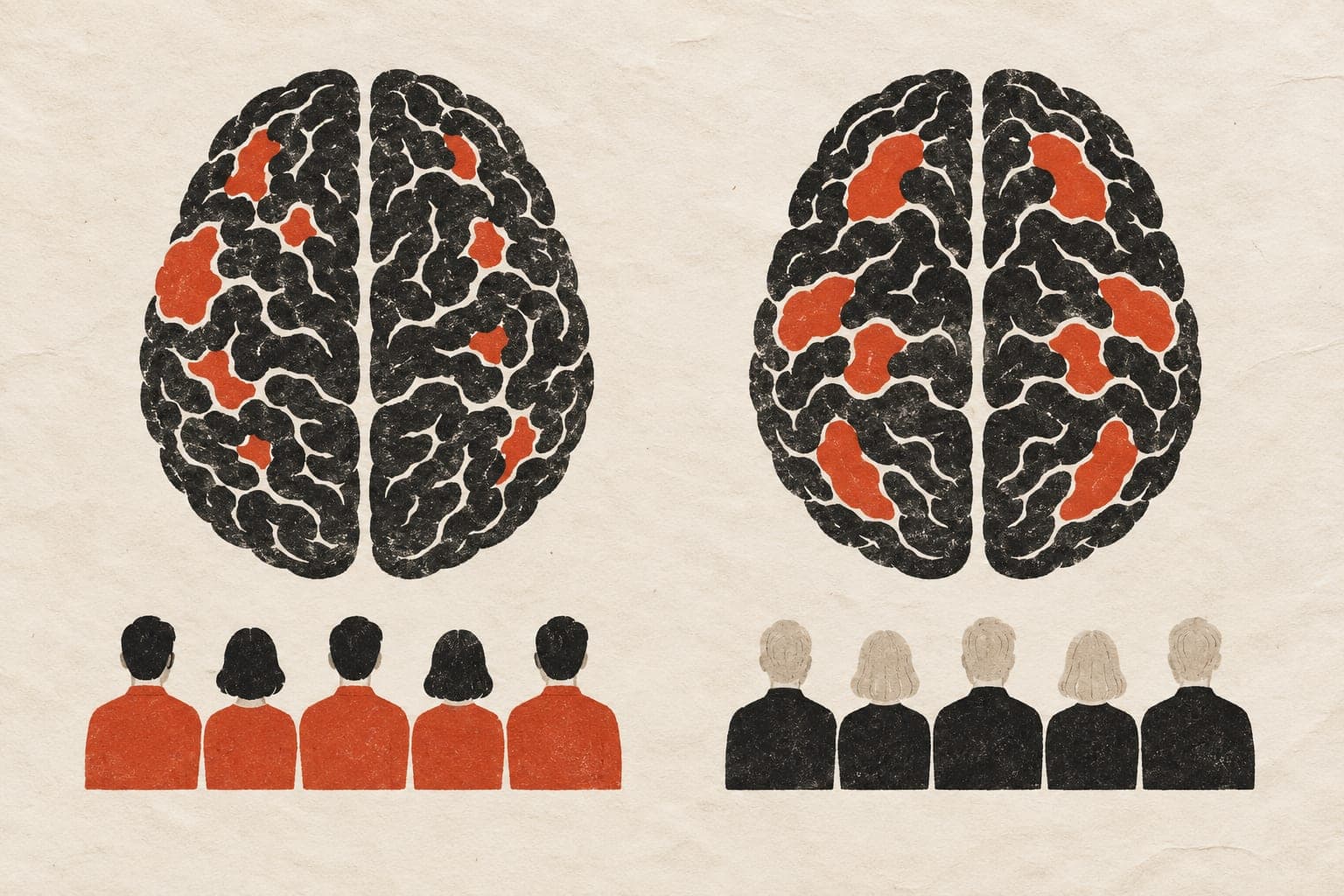
Within-person changes differed substantially from the patterns seen across age groups through early and middle adulthood. That discrepancy diminished later in life. Reorganisation of these brain activity patterns was strongest around midlife. Most changes in how different areas varied together occurred between functional systems—groups of brain regions that work together.
Why it matters
Comparisons between younger and older adults often inform research on brain aging. The findings highlight the importance of repeated measurements when studying how an individual’s brain changes across adulthood.
Caveats
This observational analysis relied on a statistical model of brain scans and could not establish what caused the changes. The paper is a preprint and has not been peer reviewed.
The paper
Fuentes M, Zhao Y
arXiv, 14 Oct 2026, Open access, Preprint, not peer-reviewed