Predicted gene responses vary more with age in a computer model
A computational analysis of single-cell gene activity data predicted increasingly different responses to disrupting the same gene at older ages.
Paper by He Y, Guez JHH, Wang XW et al.
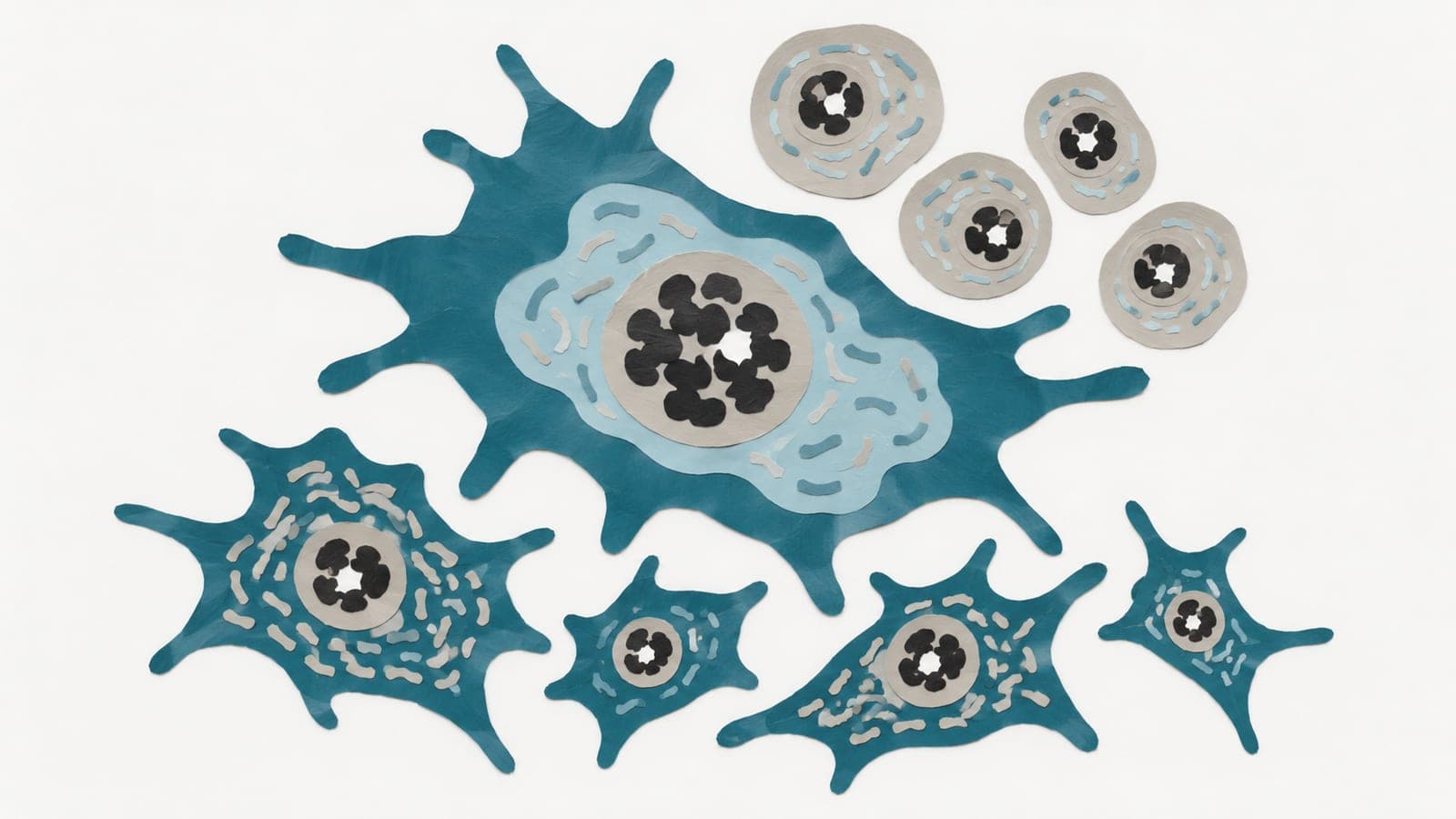
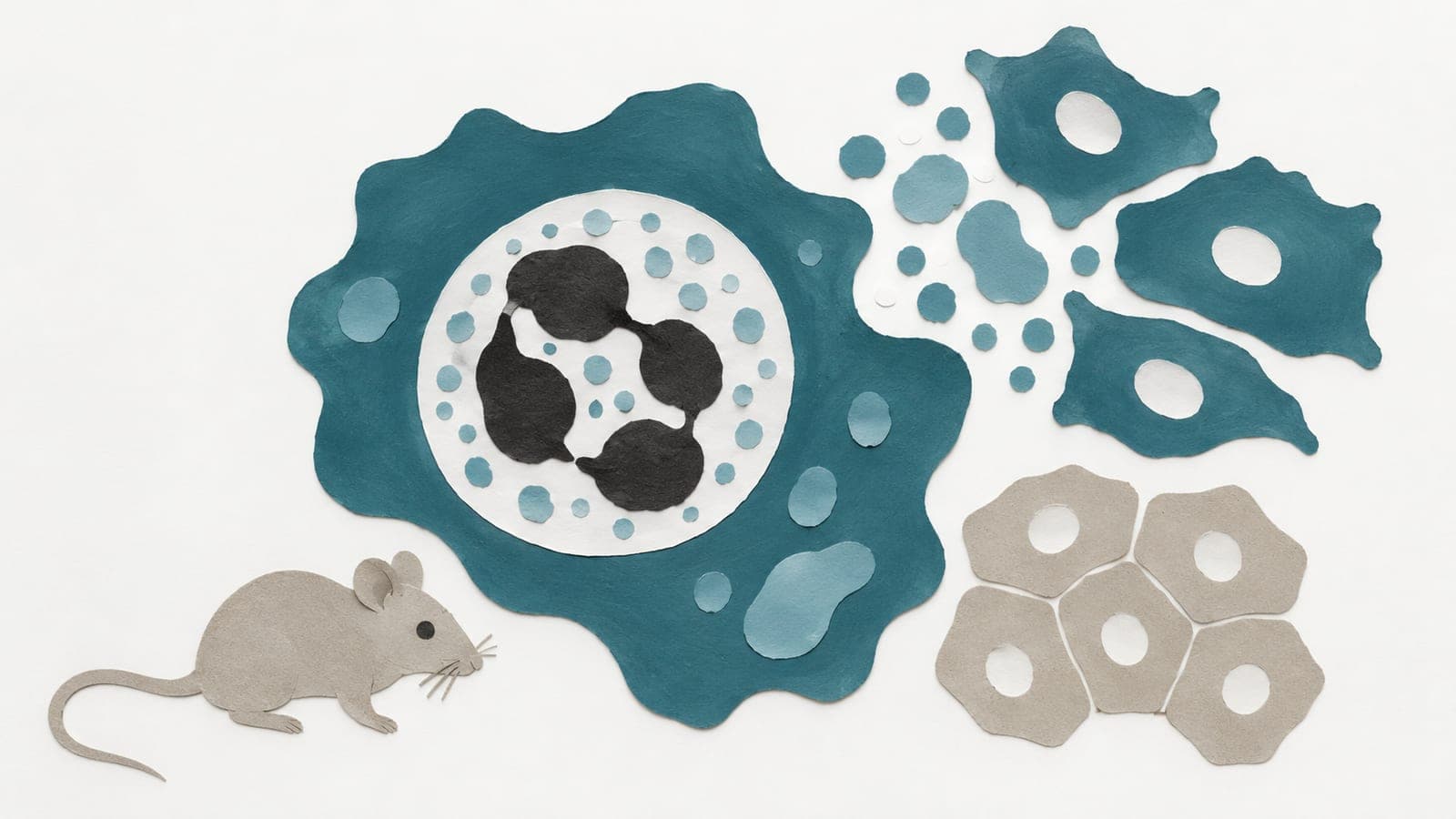
A computational study of single-cell gene activity datasets from humans, mice, flies and worms predicted how individual cells would respond to gene disruptions. Researchers used a deep learning model, a form of artificial intelligence, to predict these responses from each cell’s existing gene activity.
Across these datasets, the predicted effects of disrupting the same gene became more varied between cells with age. This indicated that gene regulation became less consistent and more dependent on each cell’s context. Cells with more acquired DNA mutations also had greater predicted response variability. Within the same cell populations, greater variability was associated with higher scores for senescence, a state in which cells stop dividing.
Why it matters
The work addresses the hypothesis that accumulated molecular damage contributes to age-related loss of function by making gene regulation less reliable.
Caveats
These were model predictions from gene activity data, not responses measured after experimental gene disruptions. The paper is a preprint and has not been peer-reviewed.
The paper
He Y, Guez JHH, Wang XW et al.
arXiv, 13 Oct 2026, Open access, Preprint, not peer-reviewed