NAD⁺/NADH as the Electrochemical Currency and Other Specific Electron Transfer Molecules in Health and Disease
Abstract
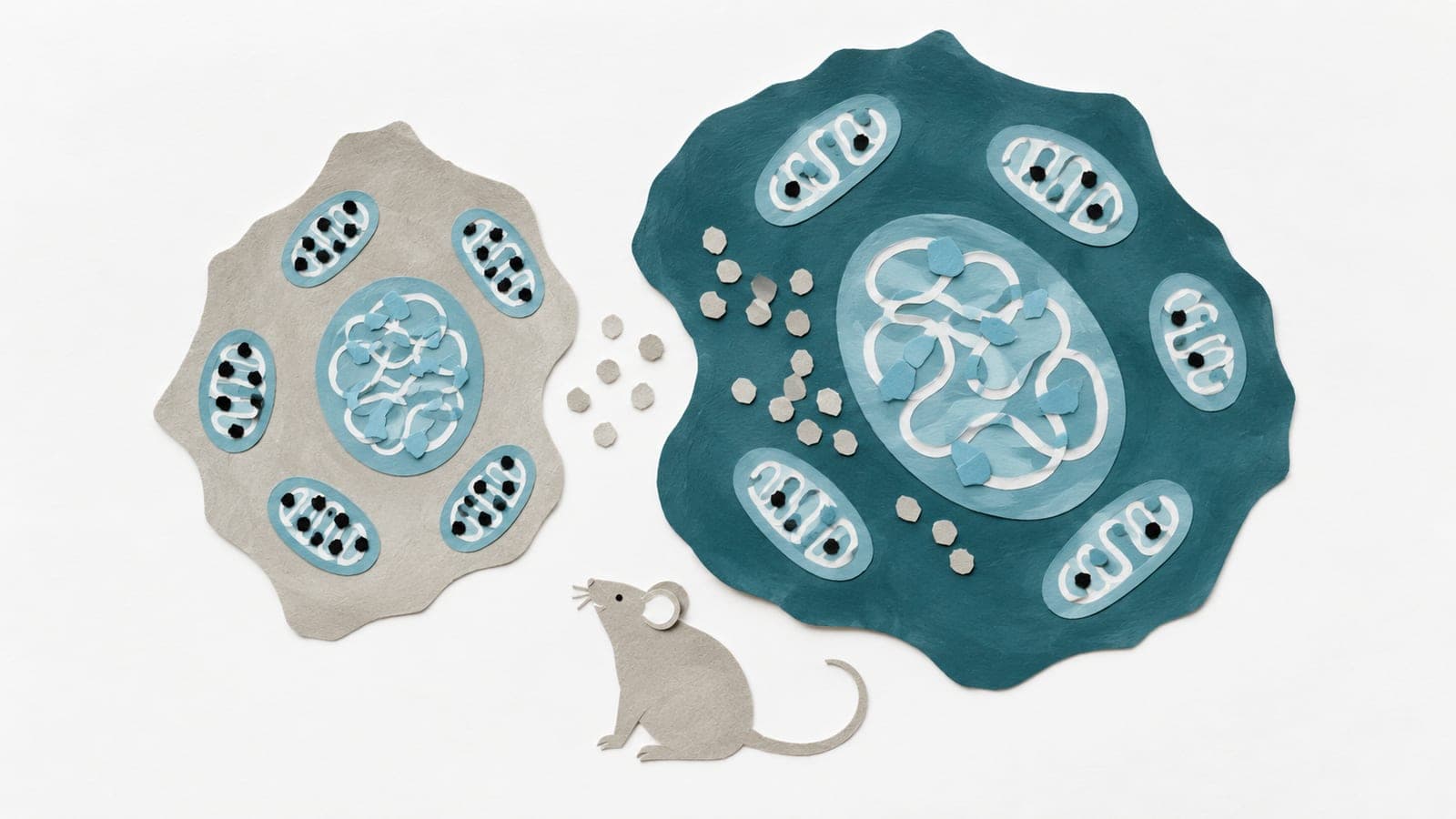
Nicotinamide adenine dinucleotide, in its oxidized (NAD+) and reduced (NADH) forms, is a central metabolic cofactor that links cellular energy production to a wide array of signaling processes, including DNA repair, chromatin regulation, calcium signaling, and circadian control. Beyond its classical role as an electron carrier in redox reactions of glycolysis, the tricarboxylic acid (TCA) cycle, and oxidative phosphorylation via Complex I of the electron transport chain), NAD+ serves as an obligate substrate for several classes of non-redox enzymes. These include the sirtuin family, poly(ADP-ribose) polymerases (PARPs), the ectoenzymes CD38/CD157, and SARM1. This dual functionality positions NAD+ as a key convergence point between metabolism and cell signaling. NAD+/NADH metabolism is highly dynamic and compartmentalized. Distinct subcellular pools exist in the mitochondria, cytosol, and nucleus, with very limited free exchange of the dinucleotide itself across the inner mitochondrial membrane. The NAD⁺/NADH ratio—rather than total pool size alone—serves as a critical readout of cellular redox state: cytosolic ratios are normally high (favoring oxidative metabolism and glycolysis), while mitochondrial ratios are lower. Both the ratio and absolute levels fluctuate with age, diet, nutrient availability, oxygen tension, and other contextual factors, yet remain tightly regulated through biosynthetic pathways (de novo from tryptophan, Preiss–Handler from nicotinic acid, and the dominant salvage pathway via NAMPT) and consumption by the enzymes noted above. Disruption of NAD+ homeostasis is now recognized as a hallmark of aging and a contributor to multiple age-related pathologies. Age-associated declines in NAD⁺ levels and shifts in the NAD⁺/NADH ratio impair mitochondrial function, sirtuin activity, DNA repair, and stress resistance, while promoting senescence, inflammation, and metabolic inflexibility. Altered NAD⁺ metabolism is equally prominent in cancer. Tumor cells frequently upregulate NAD⁺-salvage enzymes (especially NAMPT) to expand the total NADH pool, support high glycolytic flux through continuous NAD⁺ regeneration (primarily via lactate dehydrogenase), maintain redox balance, and enhance resistance to genotoxic stress via PARP activity. Compartment-specific changes are also critical: reverse electron transport (RET) at Complex I, enriched in certain cancer stem cells (e.g. glioma stem cells), lowers the mitochondrial NAD⁺/NADH ratio. This inhibits SIRT3, stabilizes HIF-1α, and sustains stemness programs (e.g. SOX2), thereby favoring tumor progression and therapy resistance. NADH reductive stress more broadly can drive metabolic reprogramming that supports proliferation and survival.This review examines the biochemistry and subcellular compartmentalization of NAD⁺/NADH metabolism, its physiological roles in healthy cells, the mechanisms by which malignant cells reprogram NAD⁺ metabolism to their advantage (including RET-driven redox shifts), and the therapeutic strategies currently under investigation. These range from NAMPT inhibitors (which face challenges of limited single-agent efficacy and dose-limiting toxicities in clinical trials) and NAD⁺-boosting precursors (nicotinamide riboside, nicotinamide mononucleotide, and related compounds) to agents that modulate Complex I/RET or other nodes of NAD⁺ homeostasis, with the goal of exploiting or correcting these alterations in aging and cancer.
- Nampt inhibitors
- Nicotinamide mononucleotide
- NAMPT
- Cellular senescence
- Cancer
- Mitochondrial NAD+/NADH ratio
The paper
Preprints.org, 16 Oct 2026, Open access, Preprint, not peer-reviewed