Cell Migration in Tissue Regeneration: Mechanisms, Models, and Therapeutic Opportunities
Abstract
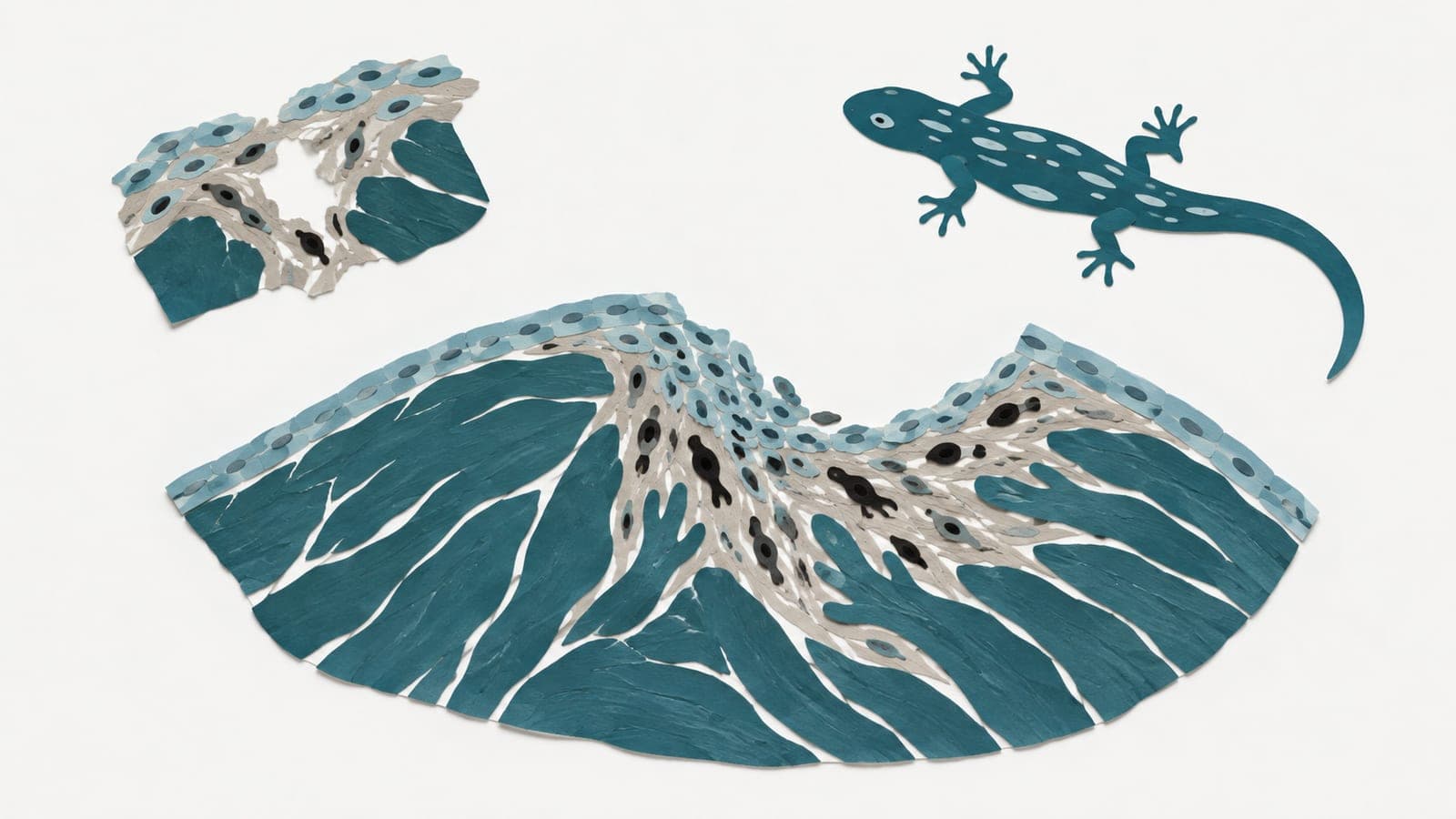
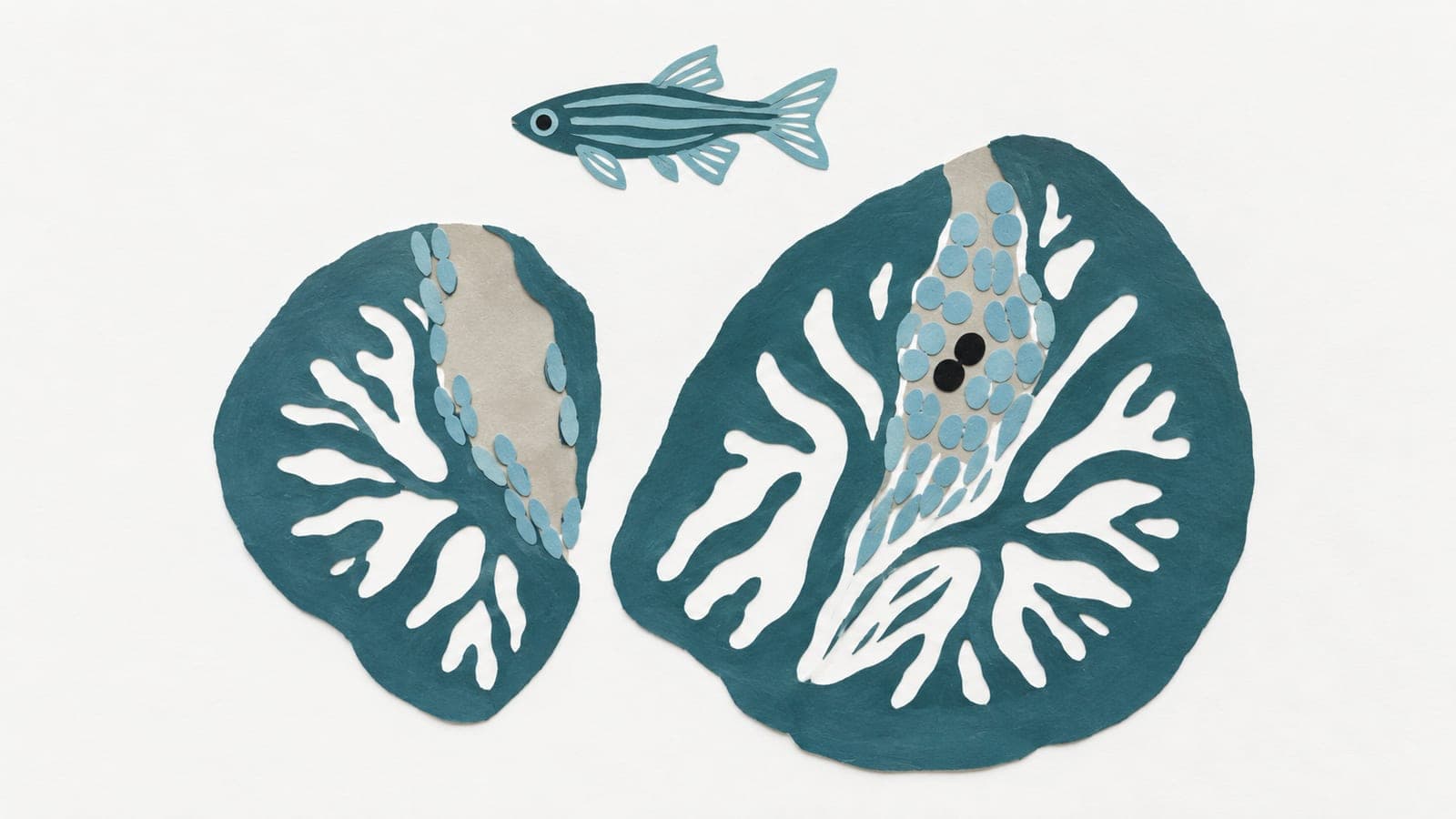
Cell migration contributes to tissue homeostasis, repair, and regeneration by controlling the spatial organization of cells within tissues. Although extensively studied in development and wound healing, migration has received comparatively less attention than proliferation and differentiation in regenerative biology. Migrating cells dynamically regulate polarity, cytoskeletal organization, adhesion, extracellular-matrix interactions, guidance sensing, and metabolism and can move individually or collectively. Importantly, migration can be mechanistically separable from proliferation and, in some regenerative contexts, can precede proliferative expansion. In the heart, cardiomyocytes undergo structural remodeling associated with protrusive and migratory behavior, while vascular, immune, and extracellular-matrix responses shape the regenerative environment. In liver and kidney injury, collective cell migration contributes to early wound closure before substantial proliferation, whereas zebrafish fin and axolotl limb regeneration illustrate how cell movement is coordinated with blastema formation and positional information. In this review, we synthesize the molecular and cellular mechanisms regulating migration during tissue homeostasis, repair, and regeneration and compare individual and collective migration across tissues and species, with particular emphasis on cardiac repair and regeneration. We further discuss experimental approaches, therapeutic opportunities, and outstanding questions. We propose that successful regeneration should be viewed not only as a problem of cell proliferation and differentiation but also as a spatial process requiring regenerative cells to reach appropriate locations and integrate into functional tissue architecture.
The paper
Preprints.org, 14 Oct 2026, Open access, Preprint, not peer-reviewed