The First to Fall: Fast Motor Units as the Hidden Trigger of Human Aging
Abstract
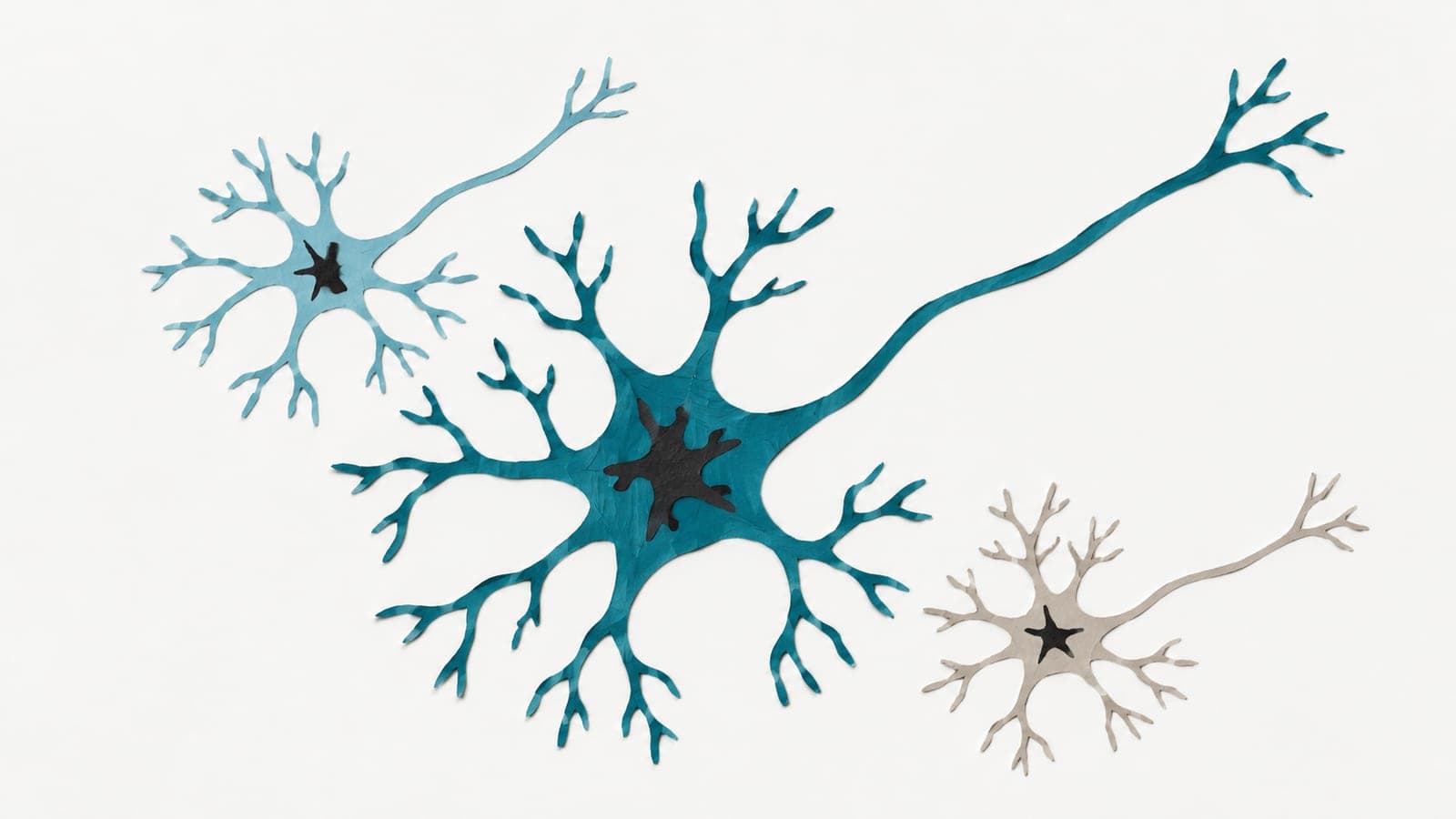
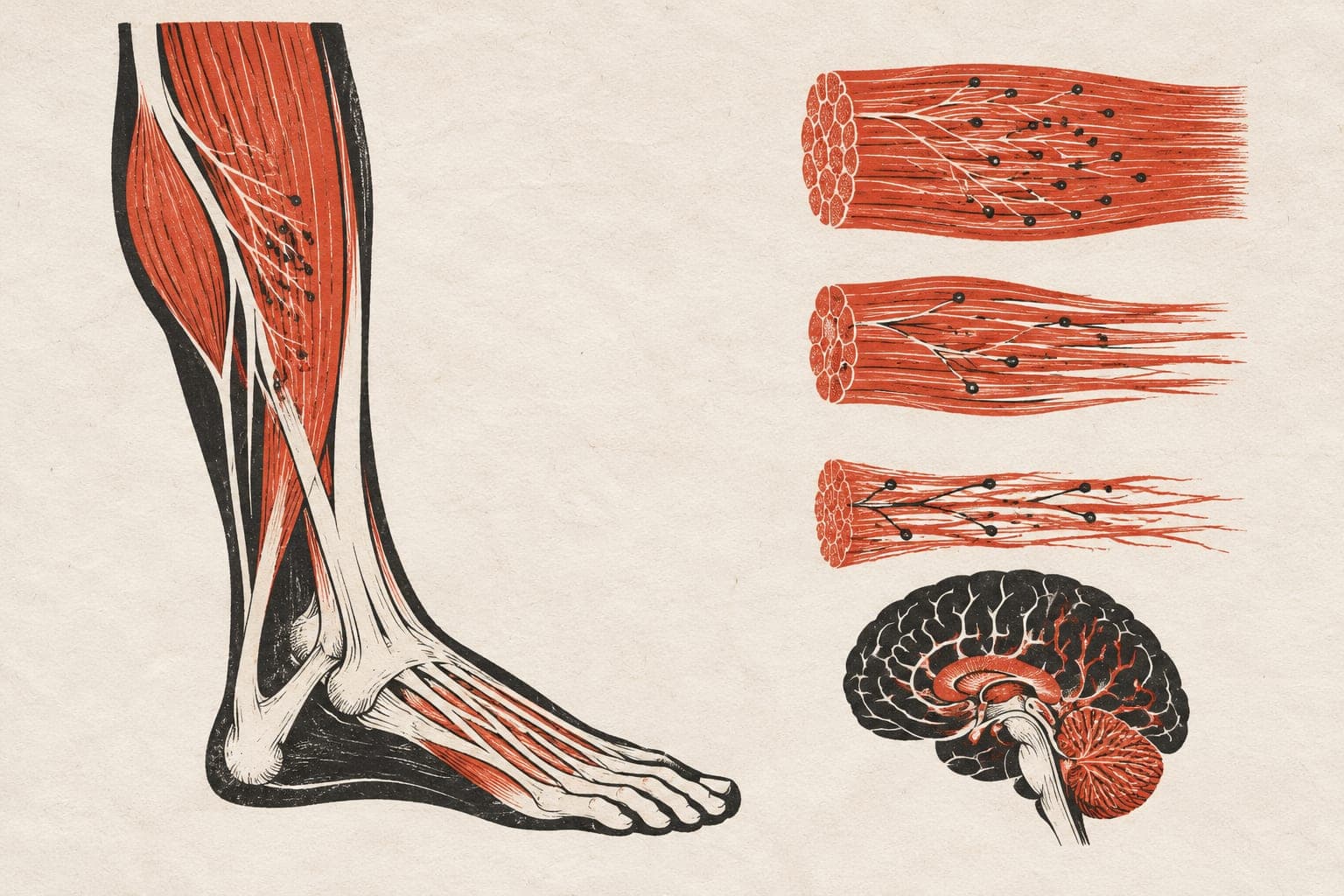
Fast, high-threshold motor units translate rapidly organized neural activity into explosive muscular force. Their deterioration may therefore have consequences that precede obvious muscle wasting or frailty. This paper develops the First to Fall hypothesis: the fast/high-threshold motor-unit system, particularly its Type IIx-associated elements, is an exceptionally vulnerable functional reserve whose early deterioration may initiate or amplify a broader cascade of human aging. The proposed process includes impaired activation and synaptic connectivity in surviving motor neurons, altered intrinsic excitability and discharge, neuromuscular-junction dysfunction, denervation, compensatory remodeling, and eventual structural loss. These stages need not occur in a fixed order in every muscle or person. Human longitudinal power data, rapid-force studies, disuse experiments, motor-unit recordings, and Masters-athlete observations are considered alongside anatomical and animal evidence. Together they support investigation of an early neurogenic contribution to declining explosive capacity, while leaving preferential lifelong loss of identified human Type IIx motor units and causation of systemic aging incompletely resolved. Persistent inward currents and synaptic-input changes deepen the proposed mechanism rather than replace the fast-motor-unit hypothesis. The paper distinguishes preservation of muscle fibers from preservation of their original motor-unit architecture, functional improvement from neuronal replacement, and general physical activity from exposure sufficient to maintain rapid neuromuscular demands. It further proposes that loss of fast neuromuscular reserve can reduce movement, loading, and muscle–organ signaling, creating feedback that accelerates downstream deterioration. Cellular aging mechanisms remain relevant within this account; the central challenge is whether they adequately explain the functional chronology without measuring neural control. Longitudinal and interventional tests are specified to determine whether early fast-system dysfunction predicts, mediates, and can modify subsequent systemic decline.
The paper
Preprints.org, 6 Oct 2026, Preprint, not peer-reviewed